

Fitness Club Classes: How to Choose the Right Ones and Get the Most From Every Session
Why fitness club classes are worth it
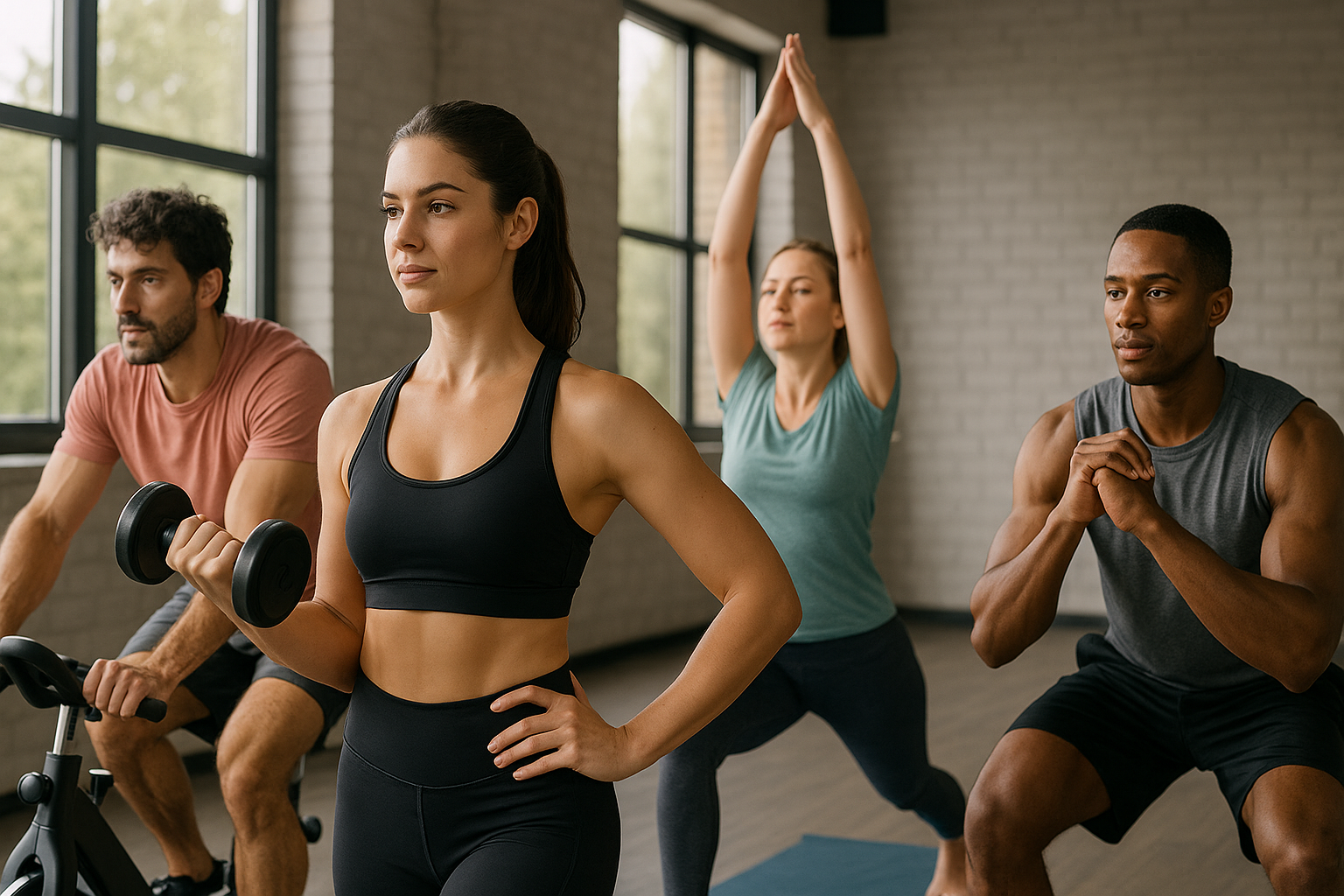
Fitness club classes can be one of the fastest ways to build consistency, learn proper technique, and stay motivated—especially when working out solo feels overwhelming. A well-run class gives you structure (you just show up and follow the plan), professional coaching (so you move safely and effectively), and built-in accountability (people notice when you’re there—and when you’re not).
Classes also help you explore training styles you might not try on your own. From strength and conditioning to dance-based cardio and yoga, a single membership can open the door to a wide variety of workouts that keep your routine fresh and balanced.
Types of fitness club classes (and what they’re best for)
Most clubs offer a mix of cardio, strength, flexibility, and mind-body options. Understanding what each type emphasizes makes it easier to choose classes that match your goals.
Strength and conditioning
These classes combine resistance training with functional movements to build muscle, improve endurance, and support everyday strength. You may use dumbbells, kettlebells, bands, barbells, or just bodyweight. Expect exercises like squats, presses, rows, lunges, and core work—sometimes formatted in circuits.
- Best for: building strength, toning, improving performance, boosting metabolism
- Great if you like: coaching cues, clear progress, a focused training vibe
Cardio and HIIT
Cardio-focused classes raise your heart rate and improve stamina. HIIT (High-Intensity Interval Training) alternates intense bursts of effort with short recovery periods. Many clubs also offer low-impact cardio formats that protect joints while still delivering a sweat.
- Best for: cardiovascular fitness, calorie burn, energy and endurance
- Great if you like: fast-paced workouts, variety, a strong “team” feel
Cycling and rowing
Indoor cycling (often called spin) and rowing classes offer powerful cardio training with a strong community vibe. These formats are typically guided by music, interval coaching, and goal-based intensity levels. Rowing classes add a full-body strength component because rowing engages legs, core, and upper body.
- Best for: low-impact cardio, endurance, improving power output
- Great if you like: performance tracking, rhythm, strong coaching
Mind-body and mobility (yoga, Pilates, stretch)
Mind-body classes focus on flexibility, stability, breathing, and body control. Yoga often emphasizes mobility and stress relief, while Pilates typically targets core strength, posture, and controlled movement. Stretch and mobility classes can complement intense training by improving range of motion and recovery.
- Best for: posture, flexibility, core strength, stress reduction, recovery
- Great if you like: a calmer pace, technique-focused coaching, feeling better day to day
Dance and specialty formats
Dance-inspired classes blend cardio with choreography, making fitness feel more like an event than a workout. Specialty formats vary widely—boxing, barre, bootcamp, aqua fitness, and more—often combining strength, balance, and cardio in unique ways.
- Best for: coordination, cardio fitness, consistency through fun
- Great if you like: music-driven sessions, learning sequences, a playful vibe
How to choose the right classes for your goals
The best class isn’t the trendiest—it’s the one you’ll attend consistently and that supports your goals. Start with clarity: what do you want most right now?
- Fat loss: combine 2–3 cardio/HIIT classes with 2 strength-focused classes weekly for a balanced approach.
- Muscle and tone: prioritize strength and conditioning classes, then add 1–2 cardio sessions for heart health.
- Stress relief and mobility: choose yoga, Pilates, and stretch classes, and mix in gentle strength if desired.
- Performance (sports or events): look for conditioning, athletic training, and classes that build power and endurance.
Also consider practical factors: class times, commute, instructor style, and how your body feels afterward. A class that fits your schedule and energy level is more sustainable than a “perfect” program you can’t keep up.
What to expect in your first fitness club class
First-time nerves are normal. Most classes follow a simple structure: warm-up, main workout, and cool-down. You’ll usually get options for different fitness levels, and you’re encouraged to modify as needed.
- Arrive early: 10–15 minutes helps you find the studio, set up equipment, and ask questions.
- Introduce yourself: let the instructor know it’s your first time so they can offer tips and modifications.
- Expect a learning curve: choreography, cues, and equipment may feel unfamiliar at first—this improves quickly.
- Focus on form, not comparison: your best effort is enough, and everyone started somewhere.
How to get the most out of fitness club classes
Once you find a few formats you enjoy, small habits make a big difference in results, recovery, and confidence.
Set a weekly plan (and keep it realistic)
Pick a schedule you can repeat. For many people, 3–5 classes per week is a sweet spot. If you’re busy, start with 2–3 and build from there. Consistency beats intensity—especially when you’re getting used to group training.
Choose the right intensity level
It’s tempting to go all-out every time, but that often leads to burnout or soreness that derails your routine. Mix harder sessions with moderate or recovery-focused classes. If the instructor uses an effort scale, aim for moderate intensity most days and reserve high intensity for 1–2 sessions per week.
Fuel, hydrate, and recover
Arrive hydrated, and have a light snack if you’re training within a couple hours of your last meal. Prioritize sleep and include rest days when needed—your body gets stronger between workouts, not just during them. Mobility or gentle yoga can be a great “active recovery” choice.
Track progress beyond the scale
Classes can improve your fitness in measurable ways: lifting heavier weights, holding planks longer, improving flexibility, or recovering faster between intervals. Keep a simple note in your phone about what you did and how it felt. Progress is motivating—and it’s often more visible than weight changes.
Common mistakes to avoid
Avoiding a few common pitfalls will help you stay consistent and injury-free.
- Doing too much too soon: starting with daily HIIT can cause fatigue or aches. Ramp up gradually.
- Skipping strength work: cardio is great, but strength supports long-term metabolism, posture, and resilience.
- Ignoring form: if something feels sharp or wrong, slow down and ask for a modification.
- Not trying different instructors: the same class can feel completely different depending on coaching style.
- Letting one missed week derail you: return with a lighter session and rebuild momentum.
Conclusion
Fitness club classes make it easier to stay motivated, learn proper technique, and build a routine you actually enjoy. Start with a couple formats that match your goals, show up consistently, and give yourself time to learn. With the right mix of classes—and a pace you can sustain—you’ll build strength, confidence, and energy that carry into every part of your life.