

Fitness Club Equipment: A Practical Guide to Building a Better Gym Floor
Introduction
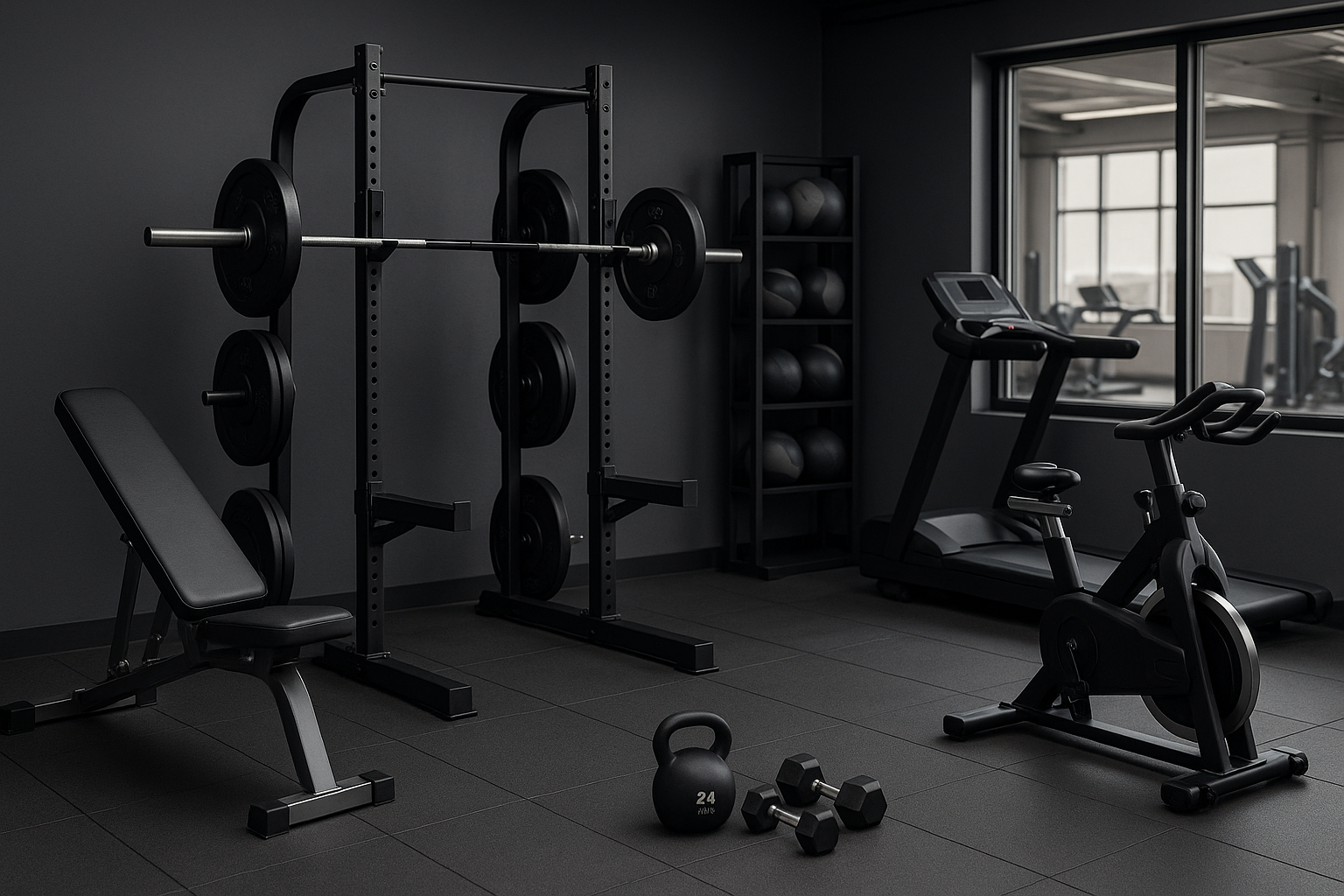
Choosing the right fitness club equipment is one of the biggest factors in how members experience your gym. The best mix supports multiple training styles, fits your space and budget, and stays reliable under heavy daily use. Whether you’re opening a new facility or upgrading an existing floor, a smart equipment plan can improve member satisfaction, safety, and long-term profitability.
Core Categories of Fitness Club Equipment
Most successful clubs balance three essentials: cardiovascular machines, strength training, and functional training. Each category serves different goals and helps you appeal to a wider range of members.
Cardio Equipment
Cardio machines are often the first area members notice. A well-rounded cardio zone offers variety, reduces wait times, and supports everything from steady-state training to high-intensity intervals.
- Treadmills: A gym staple for walking, jogging, and running. Look for durable decks, strong motors, and intuitive consoles.
- Ellipticals: Popular for low-impact training. Smooth stride mechanics and adjustable resistance are key.
- Stationary bikes: Upright and recumbent bikes support different comfort levels; spin/indoor cycling bikes are ideal for classes.
- Rowers: Excellent full-body conditioning option with a smaller footprint than many cardio machines.
- Stair climbers/steppers: High-demand machines that deliver intense workouts in minimal space.
Tip: Mix at least two or three types of cardio machines so members can rotate and stay engaged.
Strength Training Equipment
Strength areas typically include a combination of machines, free weights, and racks. This creates a welcoming environment for beginners while still supporting experienced lifters.
- Selectorized machines: Great for guided movement patterns and quick weight changes. Prioritize smooth motion, comfortable padding, and clear instructions.
- Plate-loaded machines: Ideal for heavier training and a more “serious” strength vibe. They’re also often simpler to maintain.
- Free weights: Dumbbells, barbells, weight plates, benches, and kettlebells remain the backbone of many clubs.
- Power racks and squat stands: Essential for compound lifts like squats, presses, and deadlifts (with platforms as needed).
- Cable machines/functional trainers: Highly versatile and space-efficient for both strength and rehab-style movements.
Functional Training and Accessories
Functional zones are popular because they’re flexible, social, and adaptable for small-group training. Accessories are also relatively affordable and help you refresh your floor frequently.
- Medicine balls and slam balls for power work
- Resistance bands for warm-ups, mobility, and assistance
- TRX/suspension trainers for bodyweight strength
- Battle ropes for conditioning
- Plyo boxes for jumping and step-ups
- Foam rollers and mobility tools to support recovery
How to Choose the Right Equipment for Your Club
Great equipment decisions are less about buying the most machines and more about buying the right mix for your members and your business model.
Know Your Membership Demographics
Start with the people you serve. A boutique HIIT studio will prioritize open space and functional tools, while a traditional full-service health club may need a broader blend of cardio and strength stations. If your membership includes many beginners, prioritize easy-to-use selectorized machines, clear signage, and approachable layouts. If you attract strength-focused lifters, invest in racks, platforms, calibrated plates, and heavier dumbbell ranges.
Consider Space Planning and Traffic Flow
Equipment placement affects safety and comfort. Plan for:
- Clear walkways through the gym, especially around free-weight areas
- Appropriate spacing between cardio machines for comfort and cleaning access
- Dedicated zones (cardio, strength, functional, stretching) to reduce congestion
- Visibility for staff supervision and member confidence
If possible, map the floor during peak hours and design around bottlenecks like dumbbell racks, cable stations, and popular cardio rows.
Balance Budget, Durability, and Total Cost of Ownership
Upfront price matters, but so does long-term value. Commercial-grade fitness club equipment typically costs more because it’s designed for heavy use, easier servicing, and better warranties. When comparing options, consider:
- Warranty coverage (parts, labor, frame)
- Service network and local technician availability
- Parts lead times and brand reliability
- Energy use (especially for large cardio floors)
A slightly higher investment can reduce downtime and keep members happier over time.
New vs. Used vs. Leased Equipment
Each approach can work depending on your cash flow and growth plans:
- New: Best for brand perception, warranty protection, and latest features.
- Used/refurbished: Can stretch budgets, especially for strength equipment. Verify condition, service records, and refurbishment quality.
- Leasing: Helps manage cash flow and can simplify upgrades, though total cost may be higher across the term.
Must-Have Features and Safety Considerations
Equipment should support a safe, intuitive experience for both new and experienced members.
Ergonomics and Adjustability
Look for multiple adjustment points so people of different heights and body types can train comfortably. Clear adjustment labels, easy pin mechanisms, and stable seating or bench designs reduce frustration and improve results.
Maintenance, Cleaning, and Hygiene
Choose upholstery and finishes that stand up to frequent cleaning. Build maintenance into your operations with:
- Daily wipe-down protocols and visible cleaning stations
- Routine inspections for cables, belts, and fasteners
- Scheduled servicing to address wear before breakdowns
Well-maintained equipment not only lasts longer—it signals professionalism.
Technology and Member Experience
Modern cardio consoles, tracking apps, and integrated wearables can improve engagement, but only if they’re easy to use. Prioritize intuitive interfaces, quick-start options, and durable touchscreens. If your club offers classes, quality audio/visual setups and heart-rate display compatibility can also enhance the experience.
Equipment Ideas by Club Type
Different business models benefit from different equipment mixes. Here are a few practical starting points.
Full-Service Gym
- Large cardio selection with multiple machine types
- Blend of selectorized and plate-loaded strength equipment
- Extensive dumbbell range, multiple benches, several racks
- Functional training zone plus stretching/recovery area
Boutique HIIT/Functional Studio
- Rowers, bikes, or curved treadmills for intervals
- Kettlebells, dumbbells, sleds, ropes, and boxes
- Rig or cable stations for group workouts
- Timers, whiteboards, and durable flooring for fast transitions
Apartment/Corporate Fitness Center
- Compact cardio lineup (treadmill + bike + elliptical/rower)
- Adjustable dumbbells or a modest dumbbell rack
- Functional trainer or cable station for versatility
- Mobility tools and a small mat/stretching zone
Conclusion
The best fitness club equipment plan blends variety, durability, and smart layout design to serve real member needs. By prioritizing core categories, choosing commercial-grade reliability, and planning for maintenance and traffic flow, you can build a gym floor that performs well today and scales smoothly as your membership grows.