

Fitness Club for Beginners: How to Start Strong and Stick With It
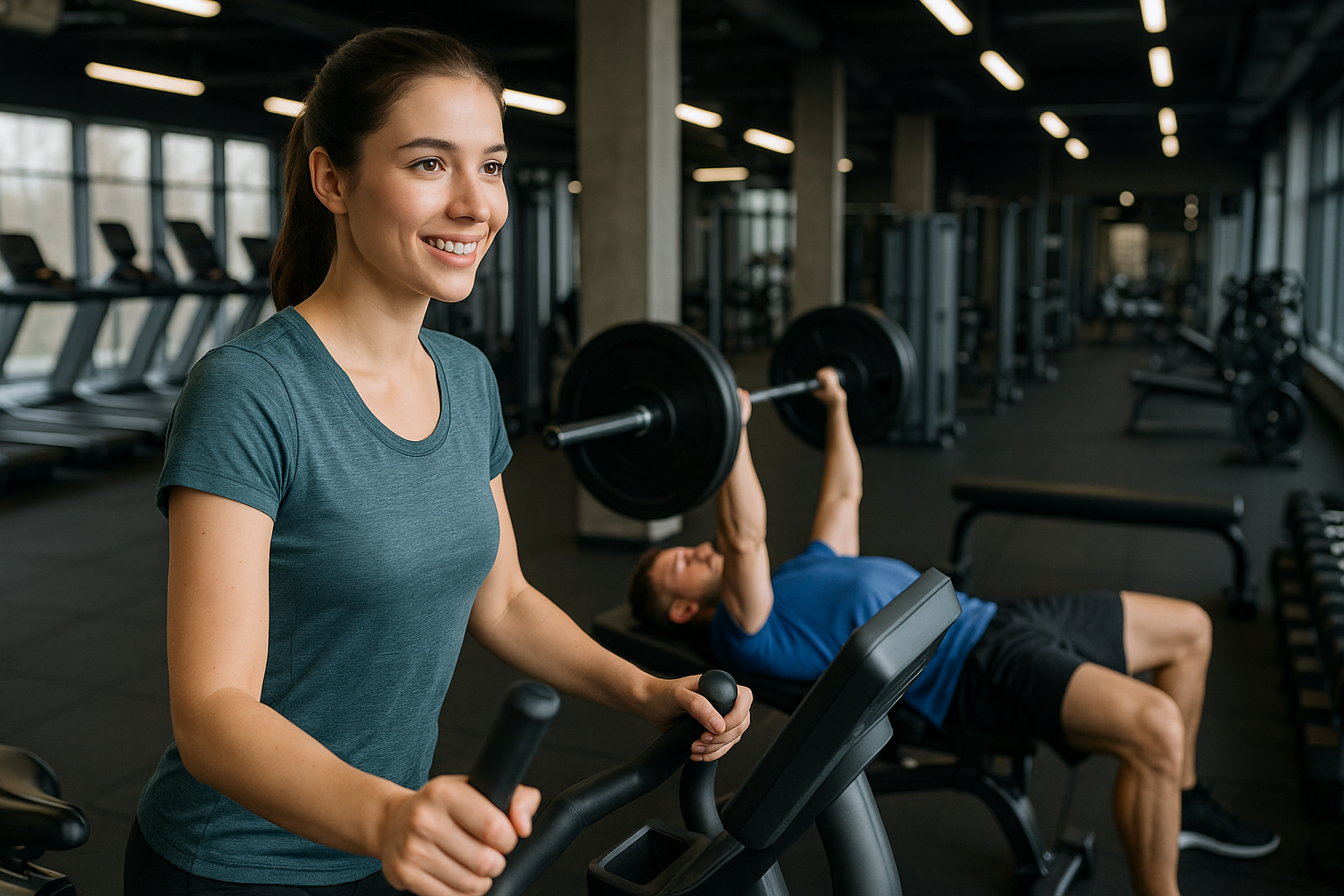
Why a Fitness Club Is Great for Beginners
Starting a fitness routine can feel overwhelming, especially if you’re not sure what to do, how to do it, or whether you’re “doing it right.” A fitness club can make the process much easier because it gives you structure, guidance, and a supportive environment—three things that help beginners build confidence quickly.
Unlike working out at home (where motivation and equipment can be limited), a club offers access to machines, free weights, classes, and often professional staff who can help you learn the basics safely. Even more importantly, showing up to a consistent place creates a routine—and routine is what turns good intentions into long-term results.
What to Look for in a Beginner-Friendly Fitness Club
Not every gym or fitness club feels welcoming to a first-timer. A beginner-friendly club is one where you can learn without pressure and progress at your own pace. Here are the key features to prioritize.
Supportive Staff and Onboarding
Many clubs offer a free orientation or “onboarding” session. This is extremely valuable for beginners because you’ll learn how to use equipment properly, understand basic gym etiquette, and get a simple starting plan. If possible, choose a club where trainers are visible on the floor and approachable, not hidden behind a desk.
Cleanliness, Safety, and Accessibility
A clean, well-maintained facility matters for both comfort and safety. Look for wipedown stations, organized weight areas, and equipment in good condition. Also consider practical accessibility: parking, hours that match your schedule, and a location close enough that you’ll realistically go consistently.
Equipment Variety Without Overwhelm
You don’t need the biggest gym in town to succeed. A great beginner club has a solid mix of:
- Cardio machines (treadmills, bikes, ellipticals)
- Strength machines (helpful for learning movement patterns)
- A small free-weight area (dumbbells, kettlebells, benches)
- Open space for stretching and mobility work
Too much equipment can feel intimidating. A smaller, well-organized space can actually be easier to learn in.
Classes and Community Options
Group classes can be a game-changer for beginners because you don’t have to design your own workout. Look for classes labeled “beginner,” “foundations,” “intro,” or “low impact.” Bonus points if the club fosters community through challenges, workshops, or small-group training—supportive social momentum helps you stay consistent.
How to Prepare for Your First Visit
Your first trip to a fitness club doesn’t need to be a full-blown workout. In fact, treating the first visit as a “practice run” can reduce anxiety and help you get comfortable with the environment.
What to Wear and Bring
Keep it simple and comfortable. Most beginners do best with:
- Breathable workout clothes you can move in
- Supportive athletic shoes (avoid brand-new shoes that might rub)
- A water bottle
- A small towel (some clubs require one)
- Headphones if music helps you focus
If you plan to shower there, add flip-flops, toiletries, and a change of clothes.
Gym Etiquette Basics
Gym etiquette is mostly about being considerate. The essentials:
- Wipe down equipment after use
- Return weights to the rack
- Share machines during busy times (rotate sets if asked)
- Keep phone use minimal on equipment
Remember: everyone started somewhere. Most people are focused on their own workout, not judging yours.
Beginner Workout Plan (Simple and Effective)
If you’re new, your goal is to build consistency, learn good form, and gradually increase your capacity. A balanced routine includes strength training, light cardio, and mobility work. Below is a simple plan you can repeat for 3–4 weeks.
Week 1–4 Schedule (3 Days/Week)
- Day 1: Full-body strength + light cardio
- Day 2: Cardio + mobility
- Day 3: Full-body strength + light cardio
Optional: Add an easy walk on 1–2 other days, but keep intensity low while you build the habit.
Full-Body Strength Session (45–60 Minutes)
Do 1–3 sets of 8–12 reps for each exercise. Choose a weight that feels challenging but controlled, leaving 1–2 reps “in the tank.” Rest 60–90 seconds between sets.
- Leg Press (or bodyweight squat to a bench)
- Chest Press Machine (or incline push-ups)
- Lat Pulldown (or assisted pull-up machine)
- Seated Row
- Hip Hinge (Romanian deadlift with light dumbbells, or a cable pull-through)
- Plank (2–3 rounds of 20–40 seconds)
Finish with 8–12 minutes of easy cardio (bike, treadmill, or elliptical) to cool down gradually.
Cardio + Mobility Session (30–45 Minutes)
Cardio doesn’t have to mean exhausting yourself. For beginners, consistency matters more than intensity.
- Cardio: 20–30 minutes at a pace where you can still speak in short sentences
- Mobility: 10 minutes of gentle stretching (hips, hamstrings, chest, upper back)
Common Beginner Mistakes (and How to Avoid Them)
Beginners often struggle not because they lack willpower, but because they start with unrealistic expectations. Avoid these common pitfalls to stay on track.
Doing Too Much Too Soon
It’s tempting to go “all in” on day one—heavy weights, long cardio sessions, daily workouts. This often leads to extreme soreness, burnout, or injury. Start with manageable sessions, focus on good form, and increase gradually (for example, adding 5 minutes of cardio or a small amount of weight every 1–2 weeks).
Comparing Yourself to Others
Fitness clubs include every experience level. Someone lifting heavier or running faster may have years of practice behind them. Measure progress against yourself: better technique, more energy, improved consistency, or slightly increased weights over time.
Skipping Recovery and Nutrition Basics
Recovery is part of training. Sleep, hydration, and balanced meals help you feel better and perform better. You don’t need a complicated diet—start with simple wins like getting enough protein, eating fruits and vegetables daily, and drinking water regularly.
How to Stay Motivated After the First Month
Motivation naturally rises and falls, so the real secret is building systems that keep you going even when you don’t feel like it.
Set Small, Trackable Goals
Beginner-friendly goals should be specific and achievable, such as:
- Attend the club 3 times per week for 4 weeks
- Increase your leg press by 10–20 pounds over a month
- Walk 30 minutes without stopping
Tracking workouts (even brief notes on your phone) helps you see progress you might otherwise miss.
Use Classes or a Trainer When You Feel Stuck
If you feel unsure about form, bored with your routine, or unsure how to progress, consider a few sessions with a trainer or join a beginner class. A small investment in guidance can prevent frustration and keep you moving forward safely.
Make It Convenient
Convenience beats willpower. Pack your gym bag the night before, schedule workouts like appointments, and choose a club you can reach easily. Even a shorter workout done consistently is more effective than a perfect plan you rarely follow.
Conclusion
A fitness club can be one of the best places to begin your health and fitness journey—especially when you focus on learning the basics, building consistency, and progressing gradually. Choose a beginner-friendly environment, start with a simple plan, and give yourself time to adapt. With a few weeks of steady effort, the gym will feel less intimidating and much more like a space where you belong.