

Fitness Trainer Certification: What It Is, Why It Matters, and How to Choose the Right Program
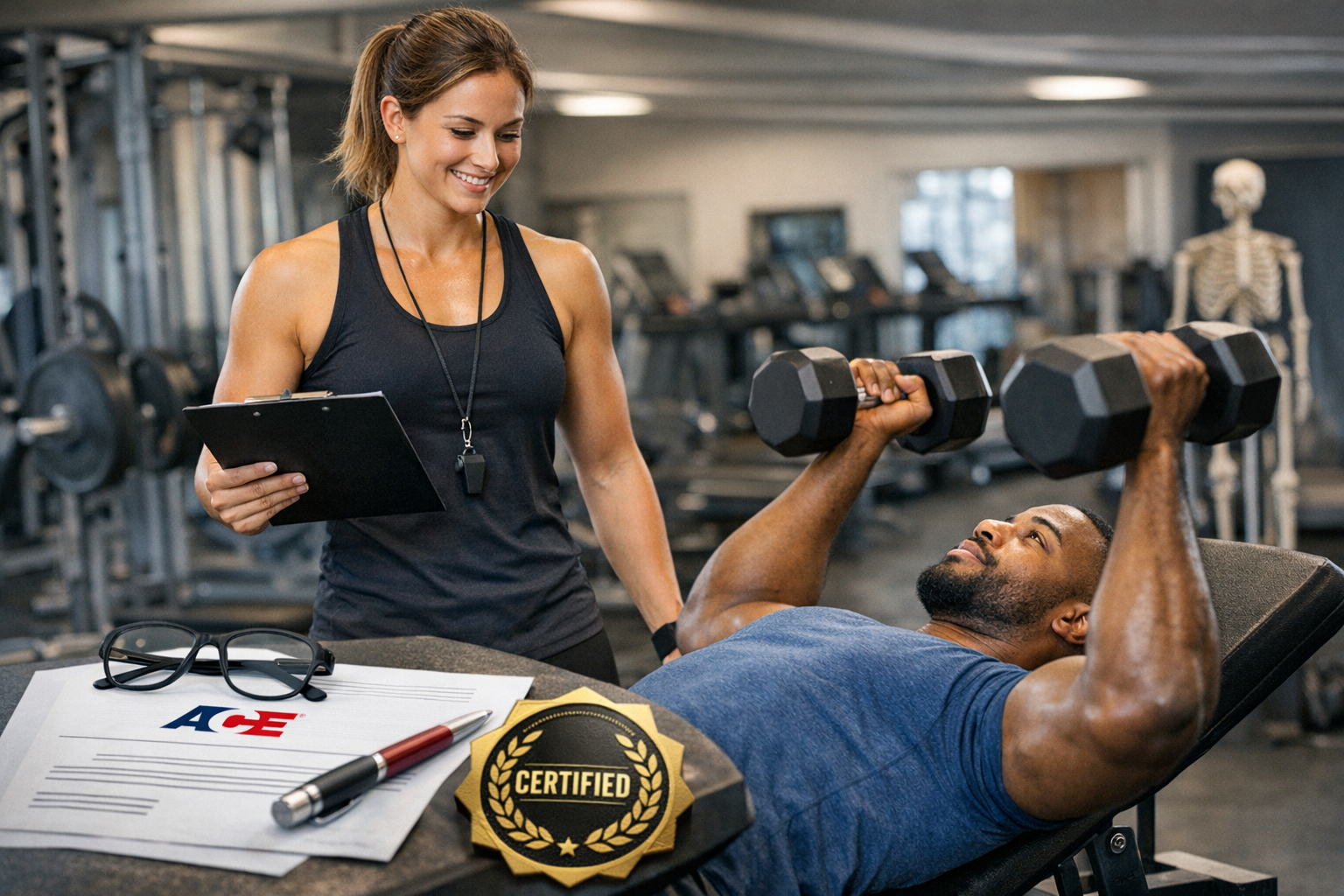
What Is Fitness Trainer Certification?
Fitness trainer certification is a professional credential that shows you have the knowledge and practical skills needed to guide clients safely and effectively. It is often the first major step for anyone who wants to work in a gym, train clients independently, or build a career in health and wellness.
A quality certification program typically covers exercise science, anatomy, movement mechanics, program design, injury prevention, client communication, and basic nutrition principles. In many cases, certification also requires passing an exam and completing continuing education to stay current in the field.
Why Fitness Trainer Certification Matters
Certification matters because personal training is a responsibility, not just a passion. Clients trust trainers to help them move better, get stronger, lose weight, improve performance, and avoid injury. A recognized credential gives clients confidence that you understand how to create safe, effective training plans.
For trainers, certification can also open doors. Many gyms and fitness facilities require a valid certification before hiring. Even if you plan to work independently, certification can help you stand out in a competitive market and justify your rates.
Just as important, certification helps you build a strong foundation. You may be enthusiastic about fitness already, but a structured program gives you the science behind the work. That knowledge can improve results for clients and make your coaching more professional.
What to Look for in a Fitness Trainer Certification Program
Not all certifications are created equal. Before enrolling, it helps to compare programs carefully so you choose one that matches your goals, budget, and learning style.
Accreditation and Recognition
One of the first things to check is whether the certification is accredited or widely recognized by employers in your area. Accreditation indicates that the program meets certain educational standards. Employers are more likely to trust certifications from organizations with a strong reputation in the fitness industry.
Course Content
Look at the curriculum in detail. A good certification should include anatomy, physiology, kinesiology, exercise programming, coaching techniques, and client assessment. Some programs also offer specialty topics such as corrective exercise, senior fitness, strength and conditioning, or weight management.
Exam Format and Difficulty
Before you sign up, find out how the final exam works. Is it multiple choice, practical, or both? Does the program offer practice tests, study guides, or instructor support? A clear understanding of the exam format can help you prepare more effectively.
Cost and Value
Price is important, but the cheapest option is not always the best. Compare the full value of each program, including study materials, exam fees, recertification requirements, and access to support. A slightly higher upfront cost may be worth it if the certification is better respected by employers.
Continuing Education Requirements
Most certifications require continuing education to remain active. This is a good thing, because the fitness industry evolves quickly. Make sure you understand how many continuing education credits you will need and how often you must renew the credential.
How to Prepare for a Fitness Trainer Certification Exam
Once you choose a program, preparation becomes the key to success. The best strategy is to study consistently rather than cramming at the end.
Start by reviewing the exam outline so you know which subjects carry the most weight. Then break your study plan into smaller sections, such as anatomy, program design, and special populations. Use flashcards, practice questions, and short review sessions to help information stick.
If possible, apply what you learn in real life. Practicing movement assessments, explaining exercises to friends or classmates, and building sample programs can make the material easier to remember. Hands-on experience often turns textbook knowledge into practical skill.
It also helps to focus on common safety principles. Know how to spot poor movement patterns, recognize when a client should be referred to a medical professional, and modify exercises for different fitness levels. These are the kinds of skills that matter most in real training settings.
Career Benefits of Becoming Certified
A fitness trainer certification can improve your job prospects, but the benefits go beyond landing a position. It can help you build credibility with clients, increase your confidence as a coach, and create opportunities for specialization.
Certified trainers often have access to more roles, including work in commercial gyms, boutique studios, corporate wellness programs, online coaching, and private training. Over time, certification can also support career growth into areas like strength coaching, corrective exercise, group fitness, or fitness management.
For independent trainers, certification can be especially valuable. It gives potential clients a reason to trust your expertise, and that trust can lead to more referrals, better retention, and stronger long-term relationships.
Common Mistakes to Avoid When Choosing a Certification
One common mistake is choosing a program based only on marketing claims. Flashy websites and big promises do not always equal strong education. Take time to read reviews, compare curricula, and confirm that employers recognize the credential.
Another mistake is ignoring the recertification process. If you do not keep up with continuing education, your certification can lapse, which may limit your ability to work in certain settings.
Finally, do not assume that certification alone makes you a great trainer. It is the beginning of your professional development, not the end. The best trainers continue learning, refining their coaching, and improving their communication skills throughout their careers.
Conclusion
Fitness trainer certification is an important investment in your future. It can help you build credibility, improve your knowledge, and qualify for more career opportunities. By choosing a respected program and preparing carefully, you set yourself up for long-term success in the fitness industry.