

Losing Weight Without Exercise: Practical, Proven Strategies That Work
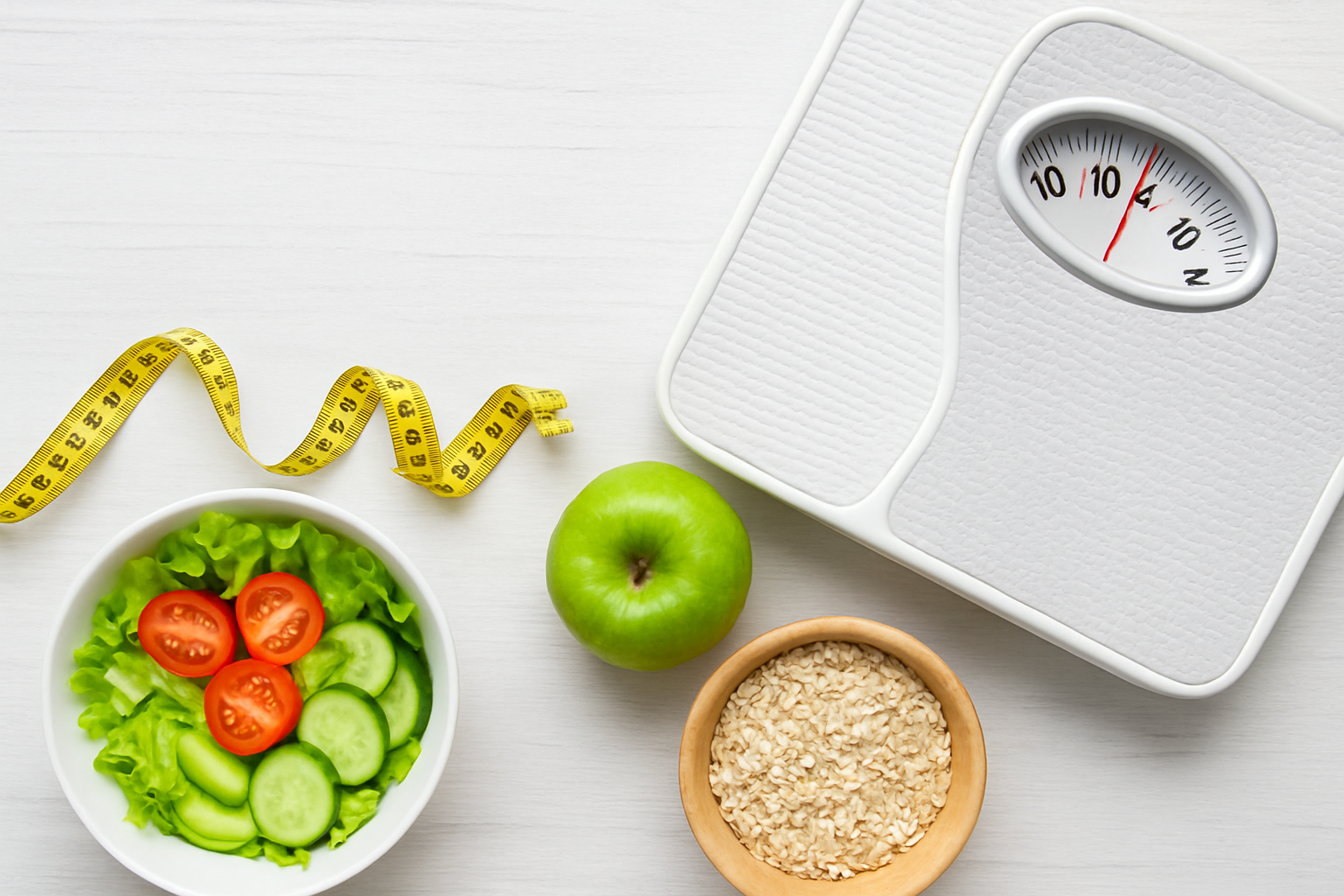
Is it possible to lose weight without exercise?
Yes—many people can lose weight without structured exercise because fat loss is primarily driven by a consistent calorie deficit (burning more energy than you consume). Exercise can help, but it isn’t required for weight loss. If you have an injury, chronic pain, a demanding schedule, or simply dislike workouts, you can still make meaningful progress by focusing on nutrition, daily habits, sleep, and stress management.
The goal isn’t to find “no-effort” weight loss—it’s to use high-impact lifestyle changes that naturally reduce calorie intake and support your metabolism and appetite regulation.
Focus on nutrition first (the biggest lever)
If you’re trying to lose weight without exercise, your food choices and eating patterns matter most. The right approach helps you feel full, keep energy steady, and avoid the constant tug-of-war of cravings.
Prioritize protein at every meal
Protein is one of the most helpful tools for weight loss because it’s filling and supports lean muscle maintenance during calorie reduction. Including a solid protein source at each meal can reduce mindless snacking and help you stay satisfied longer.
- Easy protein options: eggs, Greek yogurt, cottage cheese, chicken, turkey, fish, tofu, tempeh, beans, lentils, lean beef, protein smoothies.
- Practical target: build meals around a palm-sized portion of protein (adjust based on hunger and dietary needs).
Choose high-volume, high-fiber foods
Fiber-rich foods add bulk for relatively few calories, helping you feel full. They also slow digestion, which can reduce cravings.
- Go-to choices: vegetables (especially leafy greens, broccoli, peppers), berries, apples, beans, lentils, oats, chia seeds, whole grains.
- Simple habit: start lunch and dinner with a salad or a vegetable-based soup to naturally reduce overall intake.
Watch liquid calories (they add up fast)
Calories you drink often don’t register the same way as calories you chew. Sugary coffee drinks, soda, juice, and alcohol can quietly erase a calorie deficit.
- Swap ideas: flavored sparkling water, unsweetened iced tea, black coffee or coffee with measured milk, zero-sugar beverages.
- Alcohol tip: if you drink, reduce frequency and portion size first—it’s one of the quickest wins.
Use portion strategies that don’t feel like dieting
You don’t need to weigh every gram of food to lose weight. Small environmental tweaks can lead to consistent, effortless portion control.
- Use smaller plates and bowls.
- Serve food in the kitchen rather than family-style at the table.
- Pre-portion snacks (nuts, chips, crackers) into a bowl instead of eating from the bag.
- Build the plate: half vegetables, a quarter protein, a quarter carbs/fats.
Build habits that reduce overeating
Weight loss isn’t only about what you eat—it’s also about how you eat. These habits can reduce excess calories without requiring strict rules.
Slow down and eat more mindfully
When you eat quickly, your brain may not register fullness until you’ve already overeaten. Slowing down helps your hunger cues catch up.
- Put your fork down between bites.
- Chew thoroughly and minimize distractions for the first few minutes.
- Pause mid-meal and ask: “Am I still hungry, or just finishing?”
Plan your meals (even loosely)
Decision fatigue is real. When you’re tired or stressed, convenience foods often win. A simple plan makes the healthier choice the easy choice.
- Pick 2–3 breakfast options you enjoy and rotate them.
- Keep quick staples: bagged salad kits, rotisserie chicken, frozen veggies, microwavable rice, canned beans, tuna.
- Plan for snacks: Greek yogurt, fruit, jerky, edamame, popcorn, veggies with hummus.
Manage cravings without relying on willpower
Cravings often come from an imbalance of protein/fiber, lack of sleep, stress, or overly restrictive rules. Instead of banning foods, use strategies that reduce the intensity and frequency of cravings.
- Include “planned treats” a few times per week to avoid feeling deprived.
- Pair treats with something filling (e.g., chocolate with Greek yogurt, chips with a turkey wrap).
- Keep tempting foods out of immediate sight and store them in single portions.
Optimize sleep and stress (often overlooked)
Sleep and stress have a major effect on appetite, cravings, and energy. When you’re sleep-deprived or chronically stressed, your body tends to push you toward high-calorie foods and larger portions.
Improve sleep to support appetite control
Better sleep can make weight loss easier because it improves hunger and satiety signaling and reduces late-night snacking.
- Aim for a consistent sleep/wake time most days.
- Limit screens 30–60 minutes before bed if possible.
- Create a wind-down routine: shower, reading, gentle stretching, or calming music.
Lower stress to reduce emotional eating
Stress can increase the urge to snack and can make “comfort foods” feel irresistible. The goal isn’t to eliminate stress—it’s to create alternative coping strategies.
- Try a 5-minute walk outside, journaling, or breathing exercises when cravings hit.
- Keep “stress snacks” low-calorie and satisfying (fruit, tea, broth, air-popped popcorn).
- Build small breaks into your day to prevent stress from stacking.
Increase daily movement without “exercising”
Even if you’re not doing workouts, increasing everyday movement can help you burn more calories and support health. Think of it as making your day slightly more active—without the gym.
Use non-exercise activity to your advantage (NEAT)
NEAT (non-exercise activity thermogenesis) includes all the calories you burn through daily life—walking around the house, cleaning, standing, errands, and general movement. For many people, this adds up significantly.
- Take phone calls standing up.
- Do a 5–10 minute tidy-up after meals.
- Park farther away, take stairs when comfortable, or add short walks during breaks.
Make your environment encourage movement
- Keep a water bottle and refill it often (extra steps + hydration).
- Place commonly used items slightly farther away.
- If possible, use a standing desk for part of the day.
Track progress the right way
When you’re losing weight without exercise, progress can be subtle and sometimes slower. Tracking helps you stay motivated and make adjustments without guessing.
Use multiple metrics (not just the scale)
- Weigh 2–4 times per week and look at trends, not daily changes.
- Take waist/hip measurements every 2–4 weeks.
- Note energy, hunger, sleep, and consistency in your habits.
Adjust based on results
If your weight trend hasn’t changed for 2–3 weeks, consider one small adjustment:
- Increase protein and vegetables at meals.
- Reduce liquid calories or alcohol frequency.
- Decrease portion sizes slightly (especially calorie-dense snacks).
- Add a bit more daily walking or standing time.
Common mistakes to avoid
- Over-restricting: extreme dieting often backfires and leads to binges.
- “Healthy” calorie traps: nuts, oils, granola, and smoothies can be very calorie-dense.
- Skipping meals then overeating: some people do better with regular meals and planned snacks.
- Ignoring sleep: it’s a major driver of appetite and cravings.
Conclusion
Losing weight without exercise is absolutely possible—especially when you focus on nutrition, appetite-friendly meals, better sleep, stress management, and small daily movement. Start with one or two changes you can maintain (like boosting protein and cutting liquid calories), then build from there. Consistency beats intensity, and sustainable habits are what make results last.