

Personal Training Near Me: How to Find the Right Trainer and Get Results Faster
Why “Personal Training Near Me” Is a Smart Search
Searching for personal training near me is about more than convenience—it’s about consistency. When your gym, studio, or trainer is close to home or work, it’s easier to show up, stay on schedule, and build momentum. Local training also makes it simpler to fit sessions into busy weeks, reschedule when needed, and stick with a long-term plan.
Beyond proximity, finding a nearby personal trainer can connect you with someone who understands your area’s fitness culture, popular activities, and even the best parks or trails for outdoor sessions. Whether your goal is weight loss, strength building, injury recovery, or improving performance, the right trainer nearby can help you stay accountable and progress safely.
What Personal Trainers Do (and What They Don’t)
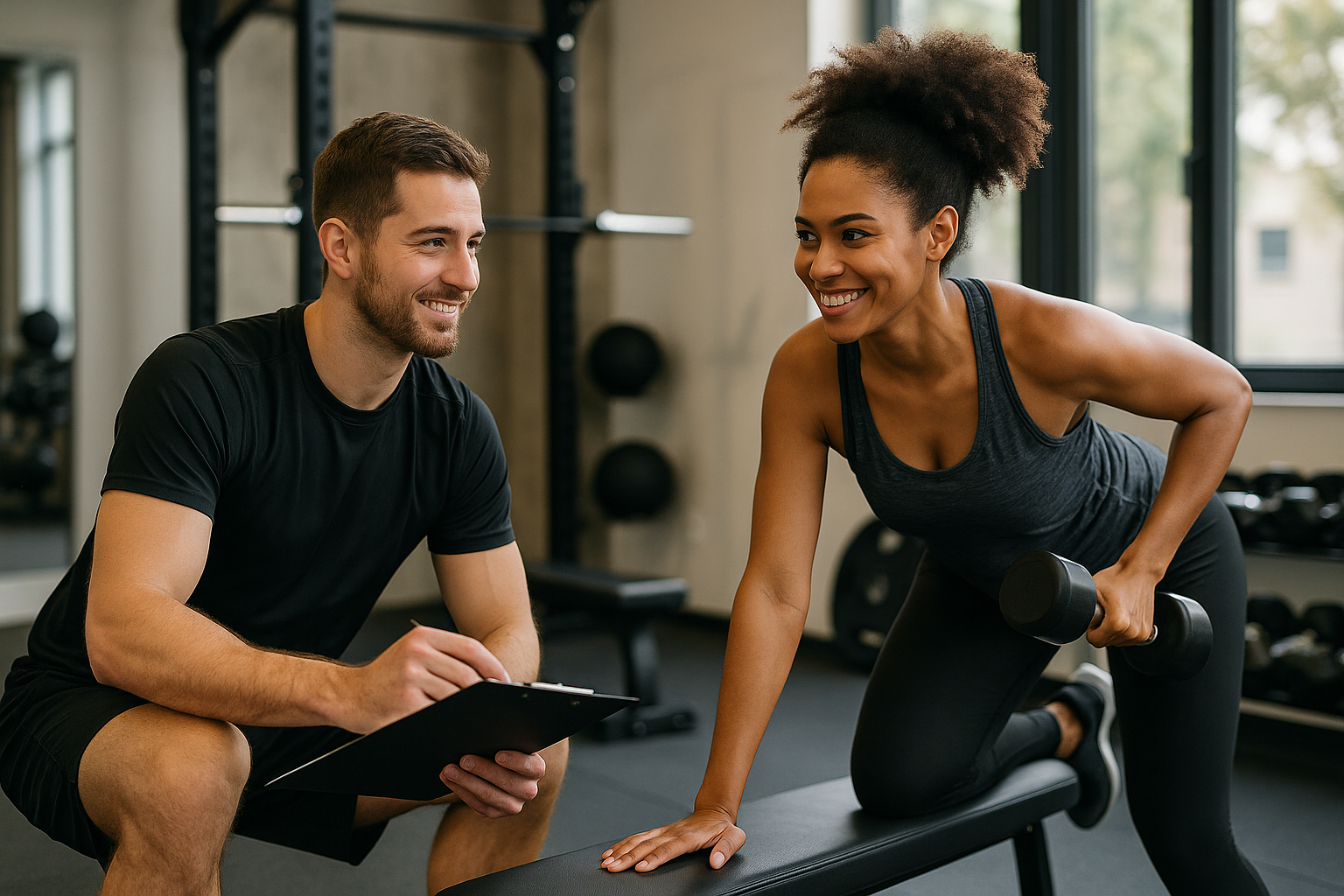
A great personal trainer does more than count reps. They assess your starting point, build a plan, coach technique, and adjust your workouts based on how your body responds. They also provide structure—one of the biggest factors in long-term success.
It’s equally helpful to understand what most personal trainers typically don’t do:
- Provide medical treatment (they can work alongside physical therapists or doctors, but they don’t diagnose injuries).
- Prescribe meal plans unless they are qualified to do so (many trainers offer general nutrition guidance; some hold additional nutrition certifications).
- Guarantee results by a deadline (your consistency, sleep, stress, and nutrition matter, too).
Types of Personal Training Near You
“Near me” can mean different settings and coaching styles. Knowing your options makes it easier to choose a format you’ll actually enjoy—and stick with.
In-Gym Personal Training
Many commercial gyms offer personal training on-site. This option can be ideal if you want access to a wide range of equipment and a predictable environment. Gym-based trainers often have flexible schedules and can support goals like hypertrophy, strength training, and general fitness.
Private Studio Training
Private studios typically provide a more personalized atmosphere with fewer crowds. If you prefer privacy, focused attention, and a calmer environment, a studio-based personal trainer may be the best fit. Studios can be especially appealing for beginners or anyone who feels intimidated on a busy gym floor.
In-Home Personal Training
In-home training brings the workout to you. This is convenient for parents, busy professionals, and anyone who wants a private experience. Many trainers can work with minimal equipment and still deliver effective strength, mobility, and conditioning sessions.
Outdoor Personal Training
Parks, tracks, and open spaces are great for sessions that combine strength work with conditioning. Outdoor training can feel more energizing and can be a budget-friendly alternative depending on the trainer and location. It’s also a good option if you enjoy fresh air and variety.
Online Coaching with a Local Trainer
Some local trainers offer hybrid options: periodic in-person sessions paired with online programming. This can reduce cost while still giving you expert guidance, progress tracking, and form checks when you meet.
How to Choose the Best Personal Trainer Near Me
Not all trainers are the same. The best match depends on your goals, preferences, and what kind of coaching helps you stay consistent.
Check Certifications and Experience
Look for reputable certifications and relevant experience. Common certifications include ACE, NASM, NSCA, and ACSM. If you have specific needs—like training during pregnancy, returning after injury, or preparing for an event—ask about specialized training and client success stories.
Ask About Their Training Style
Some trainers are highly structured and numbers-driven, while others are more flexible and lifestyle-focused. Neither is “better”—the right approach is the one that motivates you and fits your personality. Ask how they plan workouts, track progress, and adjust programming when things stall.
Look for Clear Communication and Boundaries
Professionalism matters. A good trainer explains exercises clearly, respects your comfort level, and listens to feedback. They should be able to modify movements for pain, equipment limitations, or confidence level—without making you feel judged.
Read Reviews and Request a Consultation
Local reviews can reveal a lot: punctuality, coaching quality, cleanliness of the facility, and overall client experience. Many trainers offer a consult or trial session. Use it to evaluate coaching cues, attentiveness, and whether you feel comfortable asking questions.
Questions to Ask Before Your First Session
Before committing, ask questions that reveal how the trainer thinks and how they’ll support your goals:
- How do you assess new clients? (movement screen, mobility checks, strength benchmarks, lifestyle questions)
- How do you track progress? (measurements, strength numbers, photos, performance goals, consistency metrics)
- What’s your approach to injuries or limitations?
- How often should I train? and what should I do on non-training days?
- What’s included in the price? (program design, messaging support, nutrition guidance, check-ins)
- What is your cancellation and rescheduling policy?
What Personal Training Costs and What Affects the Price
Pricing for personal training near you can vary widely based on location, trainer experience, session length, and setting (gym vs. private studio vs. in-home). Packages often reduce the per-session cost, while specialty training or highly experienced coaches may charge more.
Factors that commonly impact price include:
- Credentials and years of experience
- 1-on-1 vs. semi-private training (small groups can be more affordable)
- Session duration (30, 45, or 60 minutes)
- Facility type (private studios may have higher overhead)
- Travel time for in-home training
When comparing options, focus on value, not just price. A trainer who helps you avoid injury, stay consistent, and follow a proven plan can save time and frustration—and help you reach your goals faster.
How to Get the Most Out of Personal Training
Once you’ve found a local trainer, a few simple habits can dramatically improve your results:
- Be consistent. Progress comes from showing up week after week.
- Share honest feedback. Tell your trainer what feels good, what hurts, and what you enjoy.
- Prioritize recovery. Sleep, hydration, and stress management affect performance.
- Track small wins. More reps, better form, less pain, improved energy—all count.
- Follow the plan between sessions. Even 2–3 short workouts can accelerate progress.
Conclusion: Find Personal Training Near Me That Fits Your Life
Finding the right personal training near me comes down to choosing a coach and setting that you’ll stick with. Look for strong credentials, clear communication, and a training style that matches your goals. With a nearby trainer who understands your needs and keeps you accountable, you can build strength, confidence, and lasting results—one session at a time.