

How Personal Training Helps You Break Through Fitness Plateaus
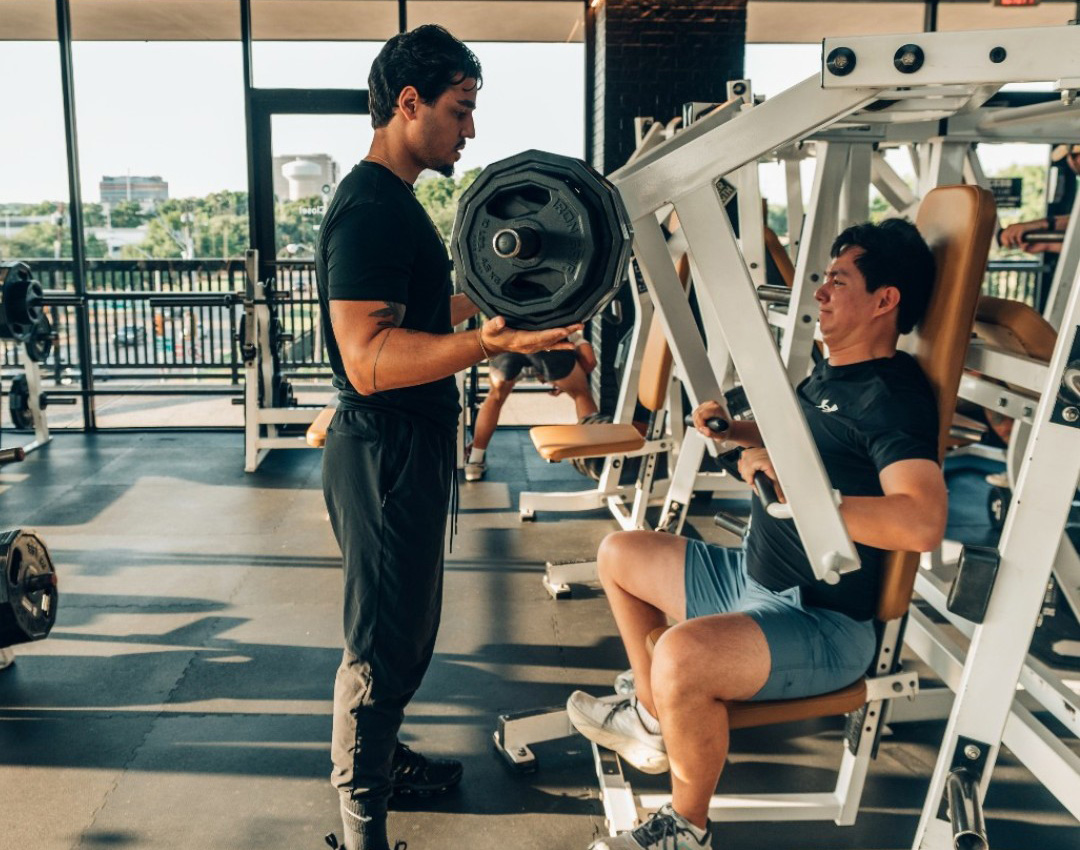
At some point in nearly every fitness journey, progress slows down. The scale stops moving. Strength gains stall. Workouts feel repetitive rather than challenging. This is known as a fitness plateau, and it is one of the most common reasons people lose motivation and stop training altogether.
If you have been putting in consistent effort but are no longer seeing results, personal training can be the key to moving forward again. Understanding why plateaus occur and how a trainer helps you overcome them can significantly improve your experience in the gym.
What a Fitness Plateau Really Is
A fitness plateau occurs when your body adapts to your current routine. This adaptation is not a failure. It is actually a sign that your body has become more efficient at handling the stress you are placing on it.
When workouts stay the same for too long, your muscles and nervous system no longer receive a strong enough stimulus to change. As a result, fat loss slows, strength levels stay the same, and endurance stops improving.
Many people respond by simply working harder. They add more workouts, push for longer sessions, or aggressively cut calories. Unfortunately, this often leads to burnout or injury rather than progress.
Why Plateaus Are Hard to Fix Alone
When training alone, it can be challenging to identify the cause of a plateau. You may not realize that your program lacks progression or that recovery is holding you back.
Common issues include:
- Repeating the same exercises and weights
- Training at the same intensity every session
- Not allowing enough recovery
- Poor movement patterns are limiting performance
Without an outside perspective, it is easy to stay stuck doing what feels comfortable rather than what is effective.
How Personal Trainers Identify the Real Problem
One of the most significant advantages of personal training is having an experienced set of eyes on your progress. A personal trainer does not just look at what you are doing in the gym. They look at how your body responds over time.
Trainers assess strength levels, movement quality, energy levels, and consistency. They identify weak points, imbalances, or habits that may be limiting progress. Sometimes the solution is not more effort, but a better structure.
This individualized assessment allows trainers to address the root cause of the plateau rather than guessing.
Progressive Programming That Drives Change
Breaking through a plateau requires change, but it needs to be the right kind of change. Personal trainers use progressive programming to challenge your body in new ways continually.
This may include adjusting:
- Exercise selection
- Training volume
- Intensity levels
- Rest periods
- Training frequency
These changes are made strategically rather than randomly. The goal is to provide enough stimulus to force adaptation without overwhelming your body.
Progression is one of the most important principles in fitness, and it is often missing in solo workouts.
Smarter Recovery Leads to Better Results
Many plateaus are caused by under-recovery rather than under-training. When the body lacks time to repair and rebuild, progress slows or stops entirely.
Personal trainers help you balance training and recovery. They adjust workouts when fatigue is high and emphasize rest when needed. This may include lighter sessions, mobility work, or changes in weekly volume.
By respecting recovery, trainers help you return to training stronger rather than stuck or exhausted.
Improving Technique Unlocks Strength
Poor technique can quietly limit progress for months or even years. If your form is inefficient, you may not be targeting the muscles you think you are training. This can stall strength gains and increase the risk of injury.
Personal trainers focus on refining technique. Minor adjustments in posture, range of motion, or tempo can make a significant difference. When movements become more efficient, strength and muscle development often improve quickly.
For many people, fixing form alone is enough to break a plateau.
Mental Plateaus Matter Too
Not all plateaus are physical. Mental barriers often play a bigger role than people realize. Fear of heavier weights, lack of confidence, or boredom with routines can all limit progress.
Personal trainers provide encouragement and perspective. They help you see what you are capable of and push you beyond self-imposed limits in a safe and controlled way. This mental support can reignite motivation and make training feel exciting again.
Confidence gained in the gym often carries over into other areas of life.
Accountability Keeps You Moving Forward
When progress slows, it is easy to lose consistency. Missed workouts and half-effort sessions can quickly become habits.
Personal training adds accountability during these challenging phases. Trainers track progress, make adjustments, and keep you focused on the long-term goal. Knowing someone is invested in your success makes it easier to stay committed even when results are not immediate.
Consistency during plateaus is often what determines whether progress eventually returns.
Why Personal Training Makes a Difference
Breaking through a plateau requires knowledge, patience, and adaptability. Personal trainers bring all three to the table. They eliminate guesswork and replace it with a plan that evolves with your body.
Instead of feeling stuck or frustrated, personal training helps you understand why progress slowed and what needs to change. This clarity alone can be incredibly motivating.
Final Thoughts
Fitness plateaus are normal, but they do not have to be permanent. With the right approach, they often become turning points rather than stopping points.
Personal training helps you break through plateaus by providing structure, progression, recovery support, and accountability. If you have been training consistently without seeing results, working with a personal trainer may be exactly what your body and mindset need to move forward again.
Progress is still possible. Sometimes you need the proper guidance to unlock it.