

How to Become a Personal Trainer: A Step-by-Step Guide
Understand What Personal Trainers Really Do
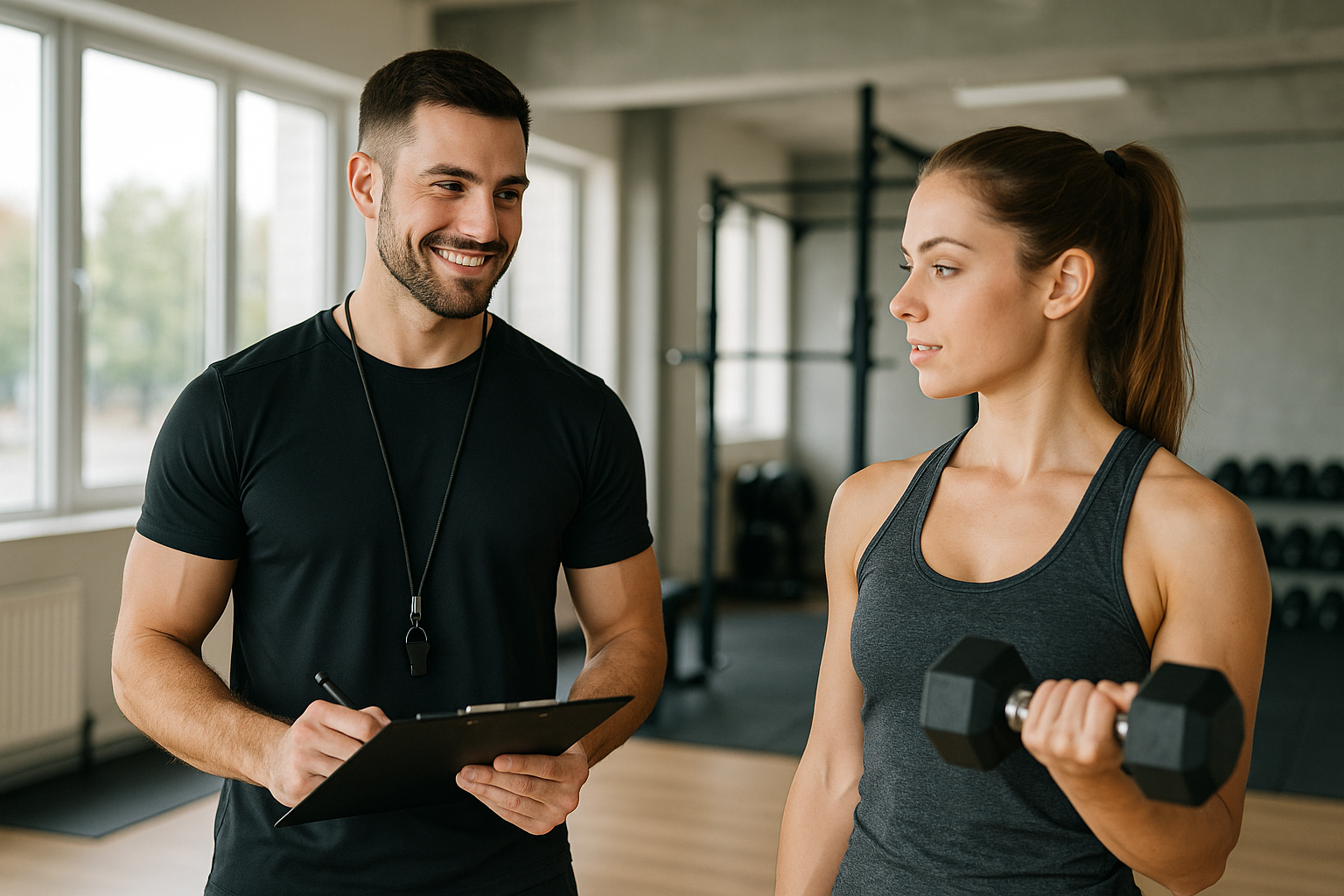
A personal trainer helps clients improve fitness, health, and performance through safe, effective exercise programming and coaching. That can include teaching proper form, designing workouts, tracking progress, supporting behavior change, and adapting plans for injuries or limitations. Many trainers also provide basic nutrition guidance within their scope of practice (usually general healthy-eating habits, not medical nutrition therapy).
Before you commit to the career, ask yourself what type of coaching energizes you most: one-on-one sessions, small-group training, sports performance, weight loss, strength training, or special populations like older adults or pre/postnatal clients. Clarity here will help you choose the right certification and early experience.
Meet the Basic Requirements
Age, education, and legal basics
Most reputable certifying organizations require you to be at least 18 years old and have a high school diploma or equivalent. You’ll also need a valid CPR/AED certification (often required before you can sit for the final exam or before you can start working in a gym).
Physical readiness and professionalism
You don’t need to look like a fitness model, but you do need to demonstrate competence, reliability, and professionalism. The job involves being on your feet, demonstrating movements, and communicating clearly. Clients trust you with their bodies and their goals—your consistency and empathy matter as much as your technical knowledge.
Choose the Right Personal Trainer Certification
Your certification is the foundation of your credibility. Look for a program that is widely recognized, evidence-based, and accepted by gyms and insurance providers in your region. A good certification will cover anatomy, exercise science, program design, client assessment, coaching cues, and safety.
What to look for in a certification program
- Reputation and recognition: Is it accepted by major gyms and respected in the industry?
- Curriculum depth: Does it teach assessment, program design, and behavior change—not just exercises?
- Exam rigor: A challenging exam often signals stronger standards.
- Continuing education: Does it require CEUs to stay current?
- Cost and study support: Consider textbooks, practice tests, workshops, and retake fees.
CPR/AED certification
CPR/AED is non-negotiable for most employers and a must for client safety. Get certified through a recognized provider and keep it current. Even if you work online, you may still be responsible for emergency readiness when training clients in-person or at events.
Learn the Core Skills You’ll Use Every Day
Passing an exam is only the beginning. Great trainers combine coaching presence with practical skills: movement observation, communication, and the ability to adjust a session on the spot.
Exercise technique and coaching cues
Practice teaching foundational movement patterns—squat, hinge, push, pull, carry, and core bracing. Learn regressions and progressions so you can meet clients where they are. The goal isn’t to show off advanced exercises; it’s to help clients move well and build confidence safely.
Assessment and program design
Effective training starts with understanding your client. Use a combination of health history, goals, movement screening, and basic performance measures (like rep quality, mobility limits, or submaximal endurance tests). Then create a plan with clear progression: what changes week to week, how you’ll track it, and how you’ll adapt when life happens.
Communication, motivation, and boundaries
Coaching is a people skill. Learn to ask better questions, listen for barriers, and explain the “why” without overwhelming clients. Set professional boundaries around scheduling, cancellations, and scope of practice. When a client needs medical or mental health support, refer out appropriately.
Get Experience: Start Training Real People (Safely)
Experience turns knowledge into results. Start with structured practice and feedback before taking on complex cases.
Shadowing and mentorship
If possible, shadow experienced trainers at a gym, studio, or sports facility. Pay attention to how they run sessions, manage time, cue technique, and handle different personalities. A mentor can also review your programs and help you avoid common early mistakes.
Practice sessions and building confidence
Begin by coaching friends or family members using simple programs. Focus on fundamentals: warm-up, main lifts, accessory work, conditioning (if appropriate), and a cool-down. Track what you did, what went well, and what you’ll change next time. The habit of reflection is one of the fastest ways to grow.
Decide Where You’ll Work (and What You’ll Specialize In)
Personal training can look very different depending on the setting. Your best path depends on your personality, income goals, and preferred schedule.
Common work environments
- Commercial gyms: Great for learning, steady foot traffic, and structured systems—often lower pay per session.
- Private studios: Typically higher rates and a more specialized clientele—may require more experience.
- Self-employed: You control your brand and pricing—requires marketing, sales, and operations skills.
- Online coaching: Scalable and flexible—requires excellent communication and strong systems.
Choosing a niche
A niche helps you stand out. You might specialize in strength training for beginners, fat loss and lifestyle coaching, corrective exercise, endurance support, or training for older adults. Start broad enough to get experience, then narrow as you learn what you’re best at and what clients consistently pay for.
Understand the Business Side of Personal Training
Even if you work for a gym, business skills affect your income. If you’re independent, they’re essential.
Pricing, packages, and client retention
Set pricing based on your market, experience, and service level. Many trainers use packages (e.g., 8–12 sessions) to improve consistency and results. Retention often comes from clear plans, measurable progress, and great client experience—simple things like session reminders, progress check-ins, and celebrating milestones.
Insurance, contracts, and professional standards
Consider professional liability insurance, especially if you’re self-employed. Use clear policies for cancellations and refunds. Keep detailed notes on sessions, goals, and progress. Professional standards—confidentiality, punctuality, respectful communication—build trust and lead to referrals.
Keep Growing with Continuing Education
Fitness is always evolving. Continuing education helps you stay current, improve results, and expand your services responsibly.
Useful next certifications and courses
- Strength and conditioning (for performance-focused clients)
- Corrective exercise (for movement quality and injury considerations)
- Nutrition coaching (within scope and local regulations)
- Special populations (older adults, pre/postnatal, chronic conditions)
Build a feedback loop
Ask for client feedback, review your coaching videos, and track outcomes. The best trainers aren’t perfect—they’re committed to improving. Over time, your systems get sharper, your coaching becomes more efficient, and your results become more consistent.
Conclusion
To become a personal trainer, start by meeting the basic requirements, earning a respected certification and CPR/AED, then build real-world experience through mentorship and practice. Choose a work setting that fits your goals, develop business fundamentals, and continue learning as you grow. With solid coaching skills and a client-first mindset, you can build a rewarding career helping people get stronger, healthier, and more confident.