

Personal Training vs. Working Out Alone: Which Gets Better Results?
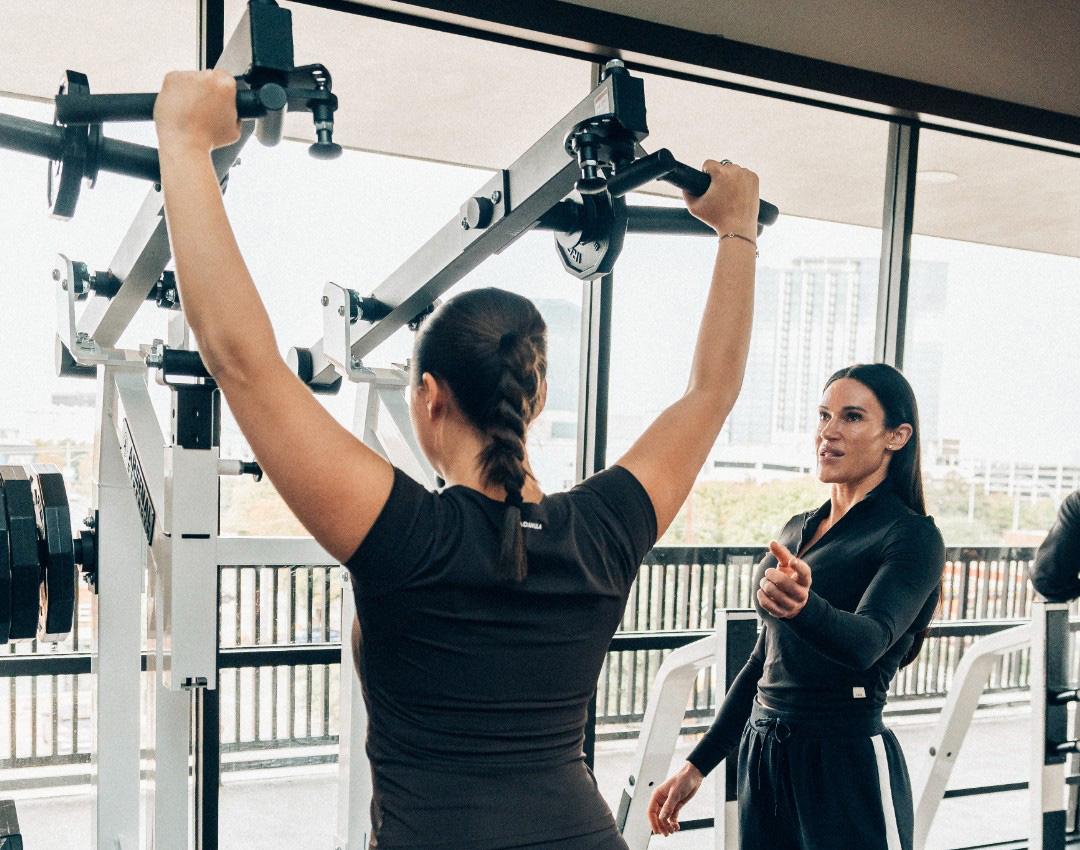
Walking into a gym can feel exciting, confusing, or even intimidating. Some people enjoy the freedom of working out on their own, while others feel more confident with guidance. If you have ever questioned whether personal training actually produces better results than training alone, you are not alone.
Both approaches can work, but results often depend on structure, consistency, and how well your workouts align with your goals. Understanding the fundamental differences between personal training and solo workouts can help you decide which option will serve you best.
What Working Out Alone Looks Like for Most People
Training on your own offers flexibility. You can choose your schedule, pick the exercises you enjoy, and work at your own pace. For people with a strong fitness background and solid programming knowledge, working out alone can be effective.
For many gym members, however, solo training comes with challenges. Every day struggles include not knowing what to do, repeating the same workouts week after week, and feeling unsure about proper form. Over time, this often leads to stalled progress or frustration.
Without feedback or a clear plan, it is easy to underestimate what your body is capable of or to push too hard in the wrong ways. This can lead to burnout or injuries that disrupt consistency.
How Personal Training Changes the Experience
Personal training removes uncertainty from your workouts. Instead of guessing which exercises are best, a trainer designs a program based on your goals, current fitness level, and any limitations you may have.
A personal trainer provides structure, progression, and guidance. Each session has a purpose, and every exercise fits into a larger plan. This approach helps ensure your effort yields measurable results rather than wasted time.
Trainers also adapt workouts as you improve. As your strength, endurance, and confidence grow, your program evolves with you. This ongoing adjustment is difficult to replicate when training alone.
Consistency Is the Biggest Difference Maker
Results do not come from occasional workouts. They come from consistency over time. This is one of the most significant advantages of personal training.
When working out alone, it is easy to skip sessions when life gets busy or energy feels low. Many people start strong but slowly lose momentum. With personal training, accountability is built in. Knowing that someone is expecting you makes it easier to show up and stay committed.
That consistency compounds. Week after week of focused training leads to noticeable improvements in strength, conditioning, and body composition.
Time Efficiency and Smarter Training
Many people spend years in the gym without seeing the results they want. The issue is often not effort, but efficiency. Without a plan, workouts can become random or repetitive.
Personal training helps you get more from your time. A trainer selects exercises that directly support your goals and structures workouts to maximize effectiveness. This is especially valuable for people with busy schedules who need their workouts to be efficient.
Instead of wondering whether you are doing enough, personal training gives you confidence that your gym time is being used wisely.
Injury Prevention and Long-Term Progress
Injuries are one of the main reasons people stop training. When working out alone, poor form and improper progression can go unnoticed until something starts to hurt.
Personal trainers focus on safe movement patterns and gradual progression. They correct form, monitor fatigue, and help you understand how your body responds to training. This reduces injury risk and allows you to train consistently over the long term.
Staying healthy means you can keep making progress without setbacks that derail your routine.
Motivation Compared to Momentum
Motivation fluctuates. Some days you feel ready to train, and other days it feels like a struggle. Relying solely on motivation often leads to inconsistency.
Personal training creates momentum instead. Having scheduled sessions and external support helps turn exercise into a routine rather than a decision you have to make every day. Over time, that routine becomes part of your lifestyle.
This momentum is often what separates people who see lasting results from those who repeatedly start and stop.
Confidence Inside the Gym
For many people, the gym can feel intimidating. Unfamiliar equipment and crowded spaces can make it hard to feel comfortable training alone.
Personal training builds confidence by teaching you how to move properly and use equipment safely. As you gain experience, you begin to feel more comfortable and capable. Many clients find that they eventually feel confident enough to train independently because they have learned the fundamentals.
In this way, personal training supports independence rather than replacing it.
Which Option Delivers Better Results?
The answer depends on the individual. Experienced lifters with strong discipline and knowledge may succeed working out alone. For most people, especially beginners or those who feel stuck, personal training leads to faster, safer, and more sustainable progress.
Personal training provides structure, accountability, education, and support. It helps turn effort into results and removes the guesswork that often holds people back.
Final Thoughts
Working out alone can be effective, but it is not always efficient or consistent. If you have struggled with motivation, plateaus, or uncertainty in the gym, personal training may be the missing piece.
The best results come from a plan you can follow consistently. For many people, personal training provides the guidance and accountability needed to make fitness a lasting part of life.