

The Benefits of Personal Training: Why Working With a Coach Pays Off
Introduction
Whether you’re new to exercise, returning after a break, or aiming for a specific performance goal, personal training can be a game-changer. A qualified personal trainer provides more than workouts—they offer expertise, structure, accountability, and a plan that fits your body and lifestyle. Below are the most important benefits of personal training and how they can help you move better, feel stronger, and stay consistent.
1. Personalized Workouts That Match Your Goals
Training built around you
One of the biggest benefits of personal training is personalization. Instead of following a generic program, your trainer builds workouts based on your goals (fat loss, muscle gain, strength, endurance, mobility, sport performance), your schedule, your preferences, and your current fitness level.
Smarter progression over time
Effective results come from progressive overload and thoughtful planning. A trainer helps you progress at the right pace—adjusting sets, reps, intensity, and exercise selection to keep you improving without burning out.
2. Safer Exercise With Better Form
Technique coaching in real time
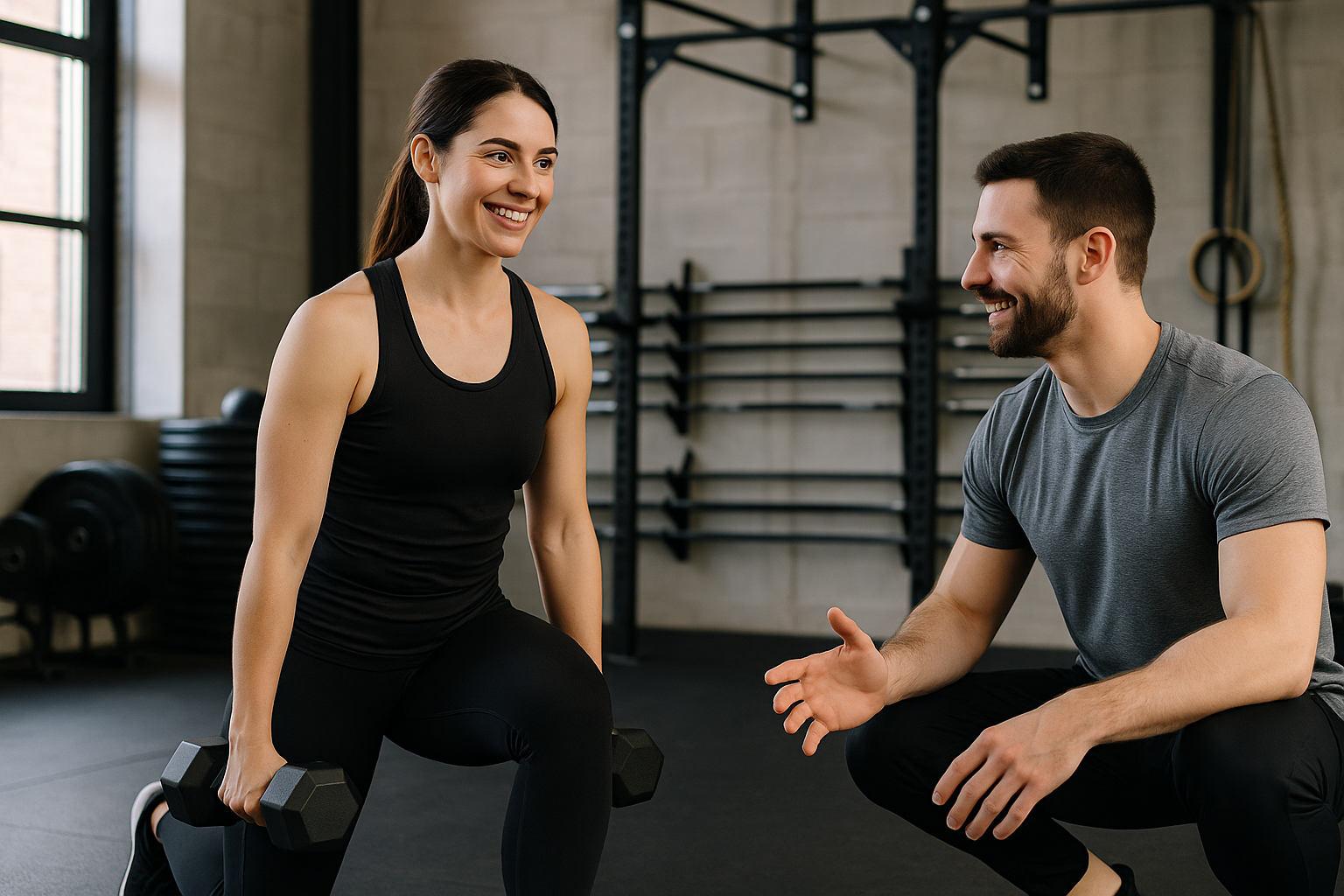
Proper form matters for results and for safety. A personal trainer provides hands-on coaching (cues, demonstrations, and corrections) so you perform movements correctly—especially for complex lifts like squats, deadlifts, presses, and Olympic lift variations.
Injury risk reduction
While no training is risk-free, many common injuries stem from poor mechanics, too much too soon, or unbalanced programming. Personal training helps reduce those risks through safer exercise selection, controlled progressions, and attention to mobility, stability, and recovery.
3. Accountability That Keeps You Consistent
Consistency becomes easier
Even the best workout plan won’t work if it isn’t followed. Personal training creates a built-in appointment and a supportive relationship that makes it easier to show up—especially on days when motivation is low.
Support through plateaus
Progress isn’t always linear. A trainer helps you navigate plateaus by fine-tuning your program, reassessing habits, and keeping you focused on the long-term process instead of short-term frustration.
4. Efficient Workouts That Save Time
No more guesswork
Personal trainers eliminate the trial-and-error that often wastes time in the gym. You’ll know exactly what to do, how to do it, and why it’s included—so you can spend less time wandering and more time training effectively.
Focused sessions with a plan
With a coach, sessions are structured: warm-up, main lifts, accessory work, and conditioning (if appropriate). This approach improves training density and helps you get more done in 45–60 minutes than you might on your own in twice the time.
5. Motivation and Confidence Boost
Encouragement that feels practical
Personal training offers motivation that’s rooted in action: showing up, building skill, and achieving small wins consistently. Over time, those wins stack up—and confidence grows naturally.
Learning to train independently
A great trainer doesn’t just “tell you what to do.” They teach you how to train—how to warm up, choose appropriate loads, use proper tempo, and understand the purpose of each movement. That knowledge builds confidence both inside and outside the gym.
6. Better Results Through Expert Guidance
Program design based on experience
Personal trainers use proven training principles to create a program that matches your goal. That means balancing strength work, conditioning, mobility, and recovery—while avoiding common mistakes like doing too much high-intensity work, neglecting rest, or skipping foundational strength.
Objective feedback and adjustments
Sometimes progress stalls because of small issues—like choosing weights that are too light to create change, resting too little, or pushing too hard too often. A trainer provides objective feedback and makes adjustments quickly, so you keep moving forward.
7. Tailored Support for Special Considerations
Training around injuries or limitations
If you have previous injuries, joint pain, or movement limitations, personal training can be especially valuable. A trainer can modify exercises, adjust ranges of motion, and prioritize stability and strength in a way that supports your body rather than aggravating it.
Adaptations for life stages and needs
Many people benefit from a plan tailored to their life stage—busy parents, older adults, postpartum clients, or people with demanding jobs and high stress. Personal training can accommodate changing energy levels, schedules, and recovery needs with realistic programming.
8. Goal Setting and Measurable Progress
Clear milestones
Vague goals like “get fit” can feel overwhelming. A personal trainer helps you set clear, realistic targets—such as improving strength numbers, increasing weekly activity, building lean mass, or reducing pain during daily movements.
Tracking that keeps you on course
Tracking performance (weights, reps, RPE, measurements, photos, or fitness tests) can be motivating and informative. Your trainer uses this data to make informed changes and celebrate progress you might not notice day to day.
9. Nutrition and Lifestyle Guidance (When Appropriate)
Practical habits that support training
Many trainers offer basic nutrition and lifestyle coaching within their scope of practice—helping you build sustainable habits like improving protein intake, hydration, meal timing, sleep routines, and daily movement. These factors play a major role in recovery and results.
A more sustainable approach
Instead of extreme plans, a trainer can help you focus on consistency and long-term habits. The goal is to create a routine you can maintain—not a short burst of effort followed by burnout.
How to Choose the Right Personal Trainer
Look for qualifications and experience
Choose someone with reputable certifications, a strong coaching track record, and experience working with your goals or limitations. Don’t be afraid to ask how they assess clients and how they structure programming.
Prioritize communication and fit
The best trainer for you is someone you trust and feel comfortable with. They should listen, explain the “why,” and adjust your plan based on feedback. Great coaching is collaborative, not one-size-fits-all.
Conclusion
The benefits of personal training go far beyond having someone count reps. With personalized programming, safer technique, accountability, and expert guidance, personal training can help you reach your goals faster and more sustainably. If you’ve struggled with consistency or want a clear path forward, working with a trainer may be one of the most effective investments you can make in your health and fitness.