

The Science Behind Personal Training: Why Custom Workouts Work
Fitness trends come and go. One week, it is a new workout style, the next it is a viral routine promising fast results. While these programs may work for some people in the short term, they often fail to deliver lasting progress. The reason is simple. The human body responds best to training that is tailored to the individual.
This is where personal training stands out. Custom workouts are not based on hype or trends. They are rooted in exercise science, physiology, and real-world experience. Understanding the science behind personal training helps explain why personalized programs work so well.
Every Body Responds Differently to Exercise
One of the most essential principles in fitness science is individual variability. People respond differently to the same workout due to factors like age, genetics, training history, stress levels, and recovery ability.
A workout that produces excellent results for one person may be ineffective or even harmful for another. Generic programs cannot account for these differences.
Personal trainers design workouts that align with how your body responds to training. This individualized approach increases effectiveness and reduces frustration.
Progressive Overload Drives Results
Progressive overload is a key principle in exercise science. It refers to gradually increasing the demands placed on the body to stimulate adaptation. This can include increasing weight, volume, intensity, or complexity over time.
Many people working out alone fail to apply progressive overload consistently. They lift the exact weights, perform the same reps, and follow the same routines for months.
Personal trainers intentionally build progression into your program. They track performance and adjust workouts to ensure your body continues to receive the stimulus needed to grow stronger and fitter.
Exercise Selection Matters
Not all exercises are equally practical for every goal or every body. Movement patterns, joint structure, and mobility all influence which exercises are most appropriate.
Personal trainers choose exercises based on biomechanics and individual needs. For example, two people may both want stronger legs, but the exercises used to achieve that goal may differ significantly.
This thoughtful selection of exercises improves results while minimizing joint stress and injury risk.
Proper Technique Maximizes Muscle Activation
How you perform an exercise is just as important as which exercise you choose. Poor technique can shift stress away from the target muscles and onto joints or connective tissue.
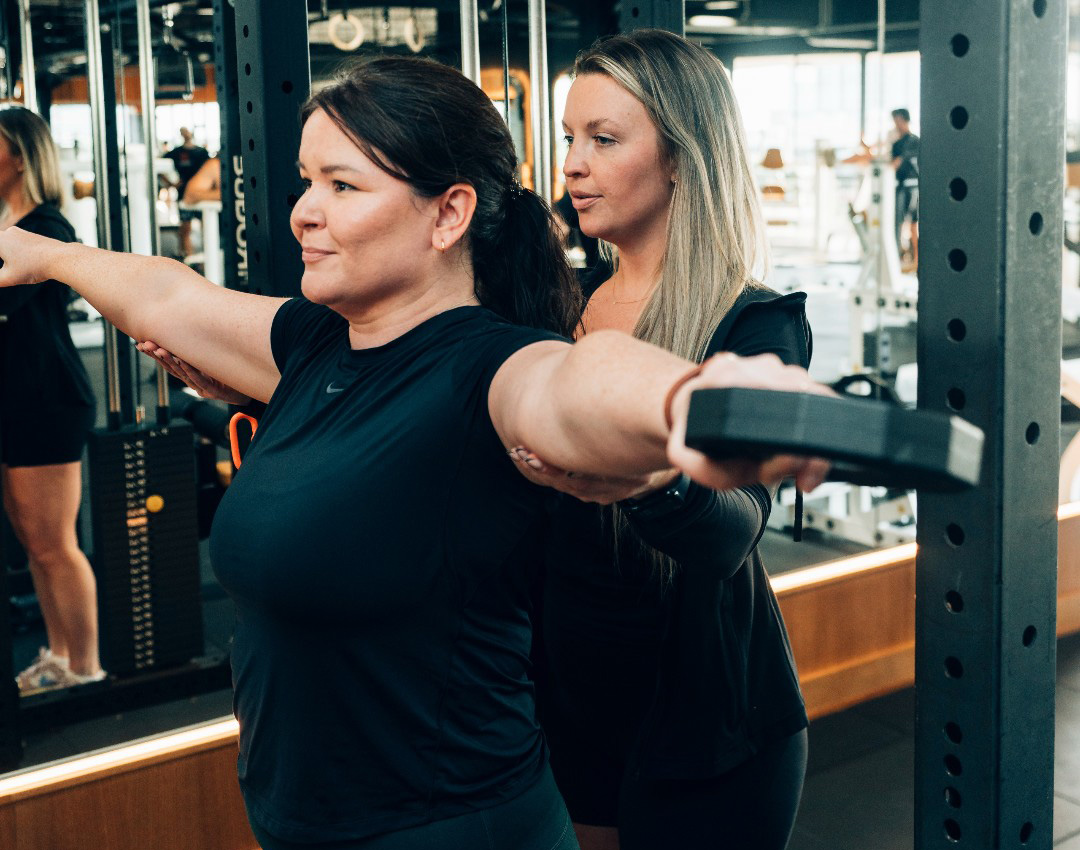
Personal trainers coach proper form to ensure muscles are being trained effectively. Minor adjustments in posture, range of motion, or tempo can significantly increase muscle activation.
From a scientific standpoint, a better technique leads to better motor learning and stronger neuromuscular connections. This translates to improved strength and performance over time.
Volume and Intensity Balance Is Key
Training volume and intensity must be carefully balanced. Too little stimulus leads to minimal progress, too much leads to fatigue, stalled results, or injury.
Personal trainers understand how to manage this balance. They structure workouts to provide enough challenge without overwhelming the body. This includes planning rest days, lighter sessions, and recovery-focused work when needed.
This balance is often missing from self-guided programs, where people tend to push hard every session without considering recovery.
Recovery Is Part of the Science
Muscle growth and performance improvements occur during recovery, not during the workout itself. Sleep, rest, and stress management all play a role in how well the body adapts to training.
Personal trainers factor recovery into program design. They adjust training frequency and intensity based on clients’ physical and mental responses.
When recovery improves, results follow. This scientific understanding helps prevent plateaus and burnout.
Data and Feedback Improve Outcomes
Personal training is not guesswork. Trainers use data and feedback to guide decisions. This includes tracking strength gains, endurance improvements, and movement quality.
Feedback from clients also matters. Energy levels, soreness, and stress all provide valuable information. Trainers use this feedback to refine programs and make smarter adjustments.
This ongoing assessment mirrors the scientific method. Observe, adjust, and improve.
Long Term Adaptation Beats Short Term Effort
One of the biggest fitness mistakes is focusing only on short-term intensity. While hard workouts feel productive, they do not always produce long-term results.
Personal training focuses on sustainable progress. Programs are designed to evolve as your body adapts. This long-term approach aligns with how the body actually changes and improves over time.
Science supports consistency and progression over extremes.
Why Custom Workouts Work Better
Custom workouts work because they respect how the body functions. They apply proven training principles in a way that fits the individual rather than forcing the individual to fit the program.
Personal trainers combine scientific knowledge with practical experience. This blend allows them to create workouts that are effective, safe, and sustainable.
Final Thoughts
The science behind personal training explains why personalized workouts consistently outperform generic routines. Custom programs account for individual differences, apply progressive overload, manage recovery, and adapt over time.
If you want results that last, training grounded in science, not trends, makes all the difference. Personal training turns exercise science into real-world results and helps your efforts deliver meaningful results.