

Fitness Club Trends 2026: What Gym Members Will Expect Next
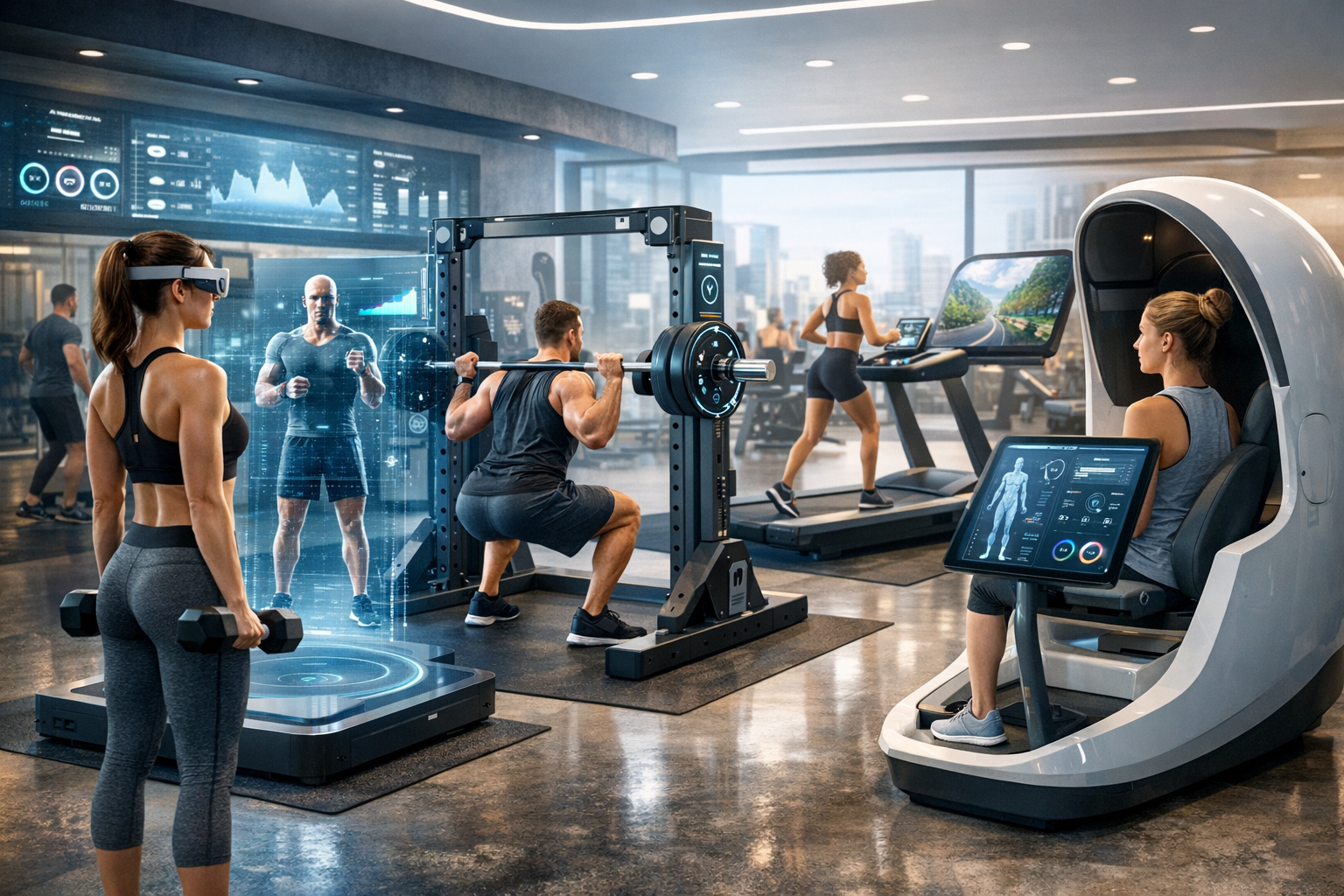
Fitness clubs are changing fast, and 2026 is shaping up to be a year of major evolution. From smarter technology and hybrid memberships to recovery-focused amenities and community-driven programming, today’s clubs are expected to deliver much more than rows of machines and a few group classes. Members now want a personalized, flexible, and motivating experience that fits seamlessly into their lifestyles.
For club owners and operators, keeping up with these shifts is no longer optional. The clubs that stand out in 2026 will be the ones that combine convenience, connection, and results in a way that feels modern and member-focused. Below are the biggest fitness club trends to watch in 2026.
1. Smarter, More Personalized Member Experiences
One of the strongest fitness club trends in 2026 is personalization. Members no longer want a one-size-fits-all gym experience. They expect clubs to understand their goals, preferences, and progress, then tailor recommendations accordingly.
Technology is making this easier. Many clubs are using app-based onboarding, digital assessments, wearable integration, and AI-powered workout suggestions to create more individualized journeys. A new member may receive a custom training plan, suggested classes, and recovery tips based on their activity history and fitness goals.
This trend is also showing up on the gym floor. Trainers and coaches are increasingly using data to guide programming, help with accountability, and adjust routines in real time. The result is a more supportive environment that feels less generic and more effective.
2. Hybrid Fitness Club Models Are Here to Stay
Hybrid fitness is no longer just a pandemic-era adjustment. In 2026, it remains a core expectation. Members want the freedom to train in person, stream workouts from home, or switch between the two depending on their schedules.
Fitness clubs are responding by offering digital class libraries, live-streamed sessions, virtual coaching, and app-based booking systems. Some clubs are even designing memberships that bundle in-person access with at-home options, giving members more value and flexibility.
This hybrid approach helps clubs stay relevant to busy professionals, parents, frequent travelers, and anyone who prefers variety in how they train. It also creates more touchpoints between the club and the member, which can improve retention over time.
3. Recovery and Wellness Amenities Are Growing
Fitness in 2026 is about more than pushing harder. Recovery is becoming a major part of the membership experience, and clubs are investing in wellness-focused amenities that help members perform better and feel better.
Popular additions include cold plunge pools, infrared saunas, massage chairs, mobility zones, percussion therapy tools, and stretching studios. Some clubs are also offering guided recovery classes, breathwork sessions, and mindfulness programming to support both physical and mental well-being.
This shift reflects a broader consumer mindset: members want longevity, energy, and overall health, not just aesthetics. Clubs that embrace recovery as part of the fitness journey can differentiate themselves and appeal to a wider audience.
4. Strength Training Continues to Dominate
Strength training has been on the rise for several years, and in 2026 it remains one of the most important trends in fitness clubs. More members are prioritizing muscle development, bone health, metabolism, and functional movement over cardio-only routines.
As a result, clubs are rethinking floor layouts and investing in more strength equipment. Free weights, functional training rigs, plate-loaded machines, and resistance-based group formats are all in high demand. Women’s strength training programs, beginner lifting workshops, and small-group coaching are also gaining popularity.
For clubs, this is a chance to create a more inclusive and confidence-building environment. When members feel comfortable using strength equipment, they are more likely to stay engaged and see long-term results.
5. Community Is a Competitive Advantage
In a crowded market, community is becoming one of the clearest ways fitness clubs can stand out. Members are not only looking for workouts; they are looking for belonging.
Clubs in 2026 are creating more opportunities for connection through social events, challenge programs, small-group training, member spotlights, and goal-based communities. Even simple touches like welcoming staff, active online groups, and consistent communication can make a big difference.
This trend is especially important for retention. People are more likely to keep coming back when they feel recognized and supported by both staff and fellow members. A strong sense of community can turn a gym into a lifestyle hub.
6. Data-Driven Operations Improve Efficiency
Behind the scenes, fitness clubs are becoming more data-driven than ever. Operators are using analytics to understand attendance patterns, identify popular classes, track retention, and improve staffing decisions.
In 2026, this trend is helping clubs become more efficient and member-friendly at the same time. For example, data can reveal when peak traffic occurs, which amenities are underused, or what kind of content drives the most app engagement. That information can then inform scheduling, marketing, and facility improvements.
Smarter operations also allow clubs to personalize outreach. Instead of sending broad promotions to everyone, clubs can target specific groups with relevant offers, reminders, or program suggestions. This creates a better experience for members and stronger results for the business.
7. Wellness Programming Expands Beyond the Workout
Fitness clubs in 2026 are increasingly positioning themselves as full-service wellness destinations. That means going beyond exercise to support nutrition, stress management, sleep, and overall lifestyle habits.
Many clubs are adding workshops, coaching, and partnerships that cover topics like healthy meal planning, habit-building, and mental resilience. Some are also integrating biometric screening, health consultations, and educational content into the membership experience.
This broader approach reflects what many members want: a club that helps them live better, not just sweat more. Wellness programming can deepen engagement and open the door to new revenue streams, especially when it is aligned with the club’s core brand.
8. Flexible Spaces and Multi-Use Design Matter More Than Ever
As member expectations evolve, clubs are redesigning their spaces to be more versatile. In 2026, flexible layouts are a key trend because they allow clubs to adapt to different training styles, class formats, and member needs.
Open functional training areas, modular group fitness studios, and multi-purpose recovery zones are increasingly popular. Clubs are also looking for equipment and layouts that can transition quickly from one use to another throughout the day.
This adaptability is especially useful for clubs serving diverse audiences. A single space may host a strength class in the morning, mobility training at lunch, and a small-group personal training session in the evening. That kind of flexibility helps maximize square footage and enhance the member experience.
Conclusion
The biggest fitness club trends in 2026 all point in the same direction: members want more personalization, more flexibility, and more value from their gym experience. Clubs that embrace technology, recovery, strength training, community, and wellness will be well-positioned to grow in a competitive market.
Success in 2026 will belong to the clubs that make members feel seen, supported, and inspired every time they walk through the door.