

Fitness Club Safety Tips: How to Work Out Confidently and Prevent Injuries
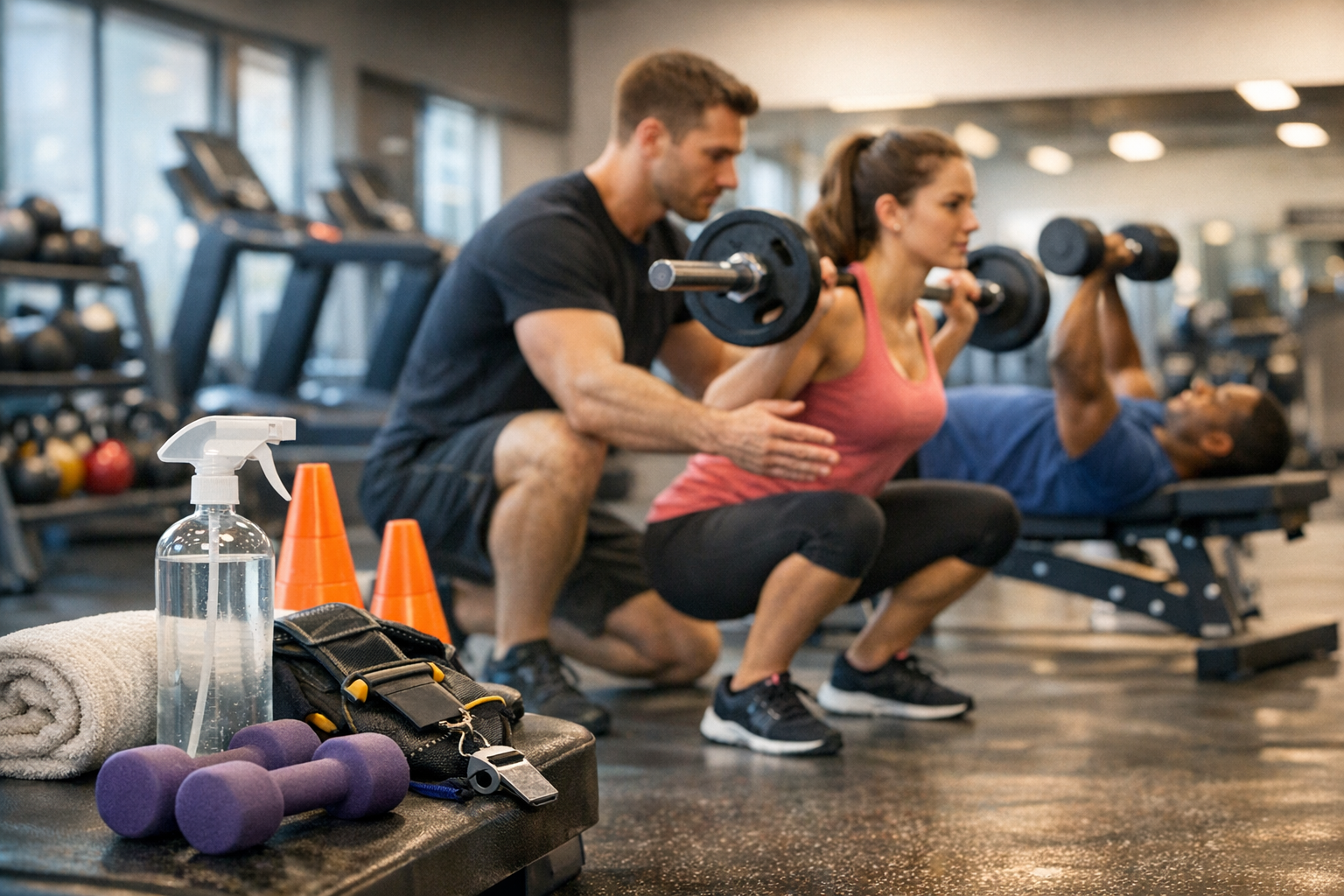
Fitness Club Safety Tips: How to Work Out Confidently and Prevent Injuries
Fitness clubs are great places to build strength, improve cardio health, and stay motivated. But a busy gym environment can also create risks if you’re not prepared. From crowded weight rooms to shared equipment and fast-paced classes, safety should be part of every workout routine.
The good news is that most gym accidents are preventable. With a few smart habits, you can protect yourself, respect others, and get more out of every session. These fitness club safety tips will help you work out with confidence, whether you’re a beginner or a long-time member.
1. Start With a Proper Warm-Up
One of the simplest ways to prevent injury is to warm up before exercising. A good warm-up increases blood flow, raises your body temperature, and prepares your joints and muscles for movement. Skipping this step can leave you stiff and more likely to strain something during your workout.
Spend 5 to 10 minutes doing light cardio such as walking, cycling, or rowing. Then add dynamic stretches or mobility drills that match your workout. For example, arm circles, leg swings, and bodyweight squats are useful before strength training, while a gentle jog and dynamic lower-body movements may be better before a run.
2. Learn Proper Equipment Use
Every fitness club has machines, free weights, and accessories that should be used correctly. Improper form or misuse of equipment can lead to falls, muscle strain, or more serious injuries. If you’re unfamiliar with a machine, take the time to read the instructions or ask a staff member for help.
Pay close attention to seat adjustments, weight settings, and safety clips. When using free weights, make sure you understand how to grip, lift, and rack them safely. Never guess if you’re unsure. Asking for guidance is always better than risking injury.
Watch Your Form
Good technique matters more than lifting heavy or moving fast. Poor form can put unnecessary stress on your joints and back, especially during exercises like squats, deadlifts, presses, and lunges. Start with lighter weights until your movement pattern feels solid.
If possible, use mirrors to check your posture, but don’t rely on them alone. Consider working with a certified trainer if you’re new to exercise or trying a new program. A few coaching sessions can help you build safe habits that last.
3. Respect Your Limits
It’s easy to get caught up in the energy of a gym and try to do too much too soon. However, pushing beyond your current ability is one of the fastest ways to get hurt. Progress should be gradual, especially if you’re returning after time off or starting a new routine.
Choose weights, resistance, and workout duration based on your current fitness level. If a movement causes sharp pain, stop immediately. Mild muscle fatigue is normal, but pain that feels sudden, intense, or unusual is a warning sign. Listening to your body is an important part of staying safe.
4. Keep the Workout Area Clean and Organized
Cluttered spaces increase the chance of trips, slips, and equipment accidents. Always return weights, dumbbells, and accessories to their proper places after use. Wipe down machines and benches after exercising, especially in shared areas.
Be mindful of where you place water bottles, resistance bands, towels, and bags. Keep walkways clear and avoid leaving items where someone could step on them or trip. A tidy workout area benefits everyone and helps the club stay safer overall.
5. Stay Hydrated and Take Breaks
Dehydration can lead to dizziness, fatigue, and poor performance. Bring a water bottle and sip throughout your workout, especially during intense sessions or hot weather. Don’t wait until you feel thirsty to drink.
Rest is just as important as effort. Short breaks between sets help prevent overexertion and allow your body to recover. If you feel lightheaded, weak, or overly exhausted, stop and recover before continuing. Ignoring those signals can turn a normal workout into an emergency.
6. Use Safe Gym Etiquette in Group Spaces
Group fitness classes and shared workout zones often involve close proximity to other members. Good etiquette helps keep everyone safe. Make sure you have enough space before starting a movement, especially when using dumbbells, battle ropes, or other equipment that requires a wide range of motion.
In classes, follow the instructor’s directions and avoid modifying exercises in ways that create hazards for others nearby. If you need to step away or adjust equipment, do so carefully and without blocking movement paths. Being aware of your surroundings reduces the chance of collisions and accidents.
Be Aware of Your Surroundings
Look around before you lift, stretch, or move quickly. Check for people passing behind you, equipment on the floor, or open machine parts that could cause injury. Phones can be distracting, so avoid scrolling between sets when you should be paying attention to the space around you.
Awareness is especially important during busy hours when the club is crowded. A few extra seconds of caution can prevent a lot of trouble.
7. Wear the Right Clothing and Footwear
What you wear can affect both comfort and safety. Choose clothing that allows you to move freely without being too loose or restrictive. Avoid outfits or accessories that might get caught in machines or interfere with exercise.
Supportive athletic shoes are essential for most workouts. The right footwear improves stability, reduces slipping, and helps protect your feet and joints. Make sure shoes are in good condition and appropriate for your activity, whether you’re lifting weights, using cardio machines, or attending a studio class.
8. Know the Club’s Emergency Procedures
Even with careful planning, emergencies can happen. Take a moment to learn where exits, first aid kits, defibrillators, and emergency contacts are located. If you have a medical condition, let someone you trust know before working out, especially if you plan to exercise alone.
If you ever notice equipment that appears damaged or unsafe, report it to staff right away. Broken cables, loose parts, and worn-out machines should never be ignored. Prompt reporting helps protect you and other members.
9. Don’t Skip Recovery and Cool-Down
Recovery is an important part of injury prevention. A proper cool-down helps your heart rate return to normal and may reduce stiffness after exercise. Spend a few minutes walking or doing gentle movement before leaving the club.
Outside the gym, prioritize sleep, nutrition, and rest days. Overtraining can weaken your body and increase your risk of strain or illness. Safety isn’t just about what happens during the workout; it’s also about how well you recover afterward.
Conclusion
Staying safe at the fitness club doesn’t require complicated rules. It comes down to preparation, awareness, and respect for your body and the people around you. Warm up properly, use equipment correctly, keep your space organized, and know when to slow down. By making safety part of your routine, you can enjoy more effective workouts and build long-term healthy habits.