

Fitness Trainer Equipment: The Essential Tools for Effective Training
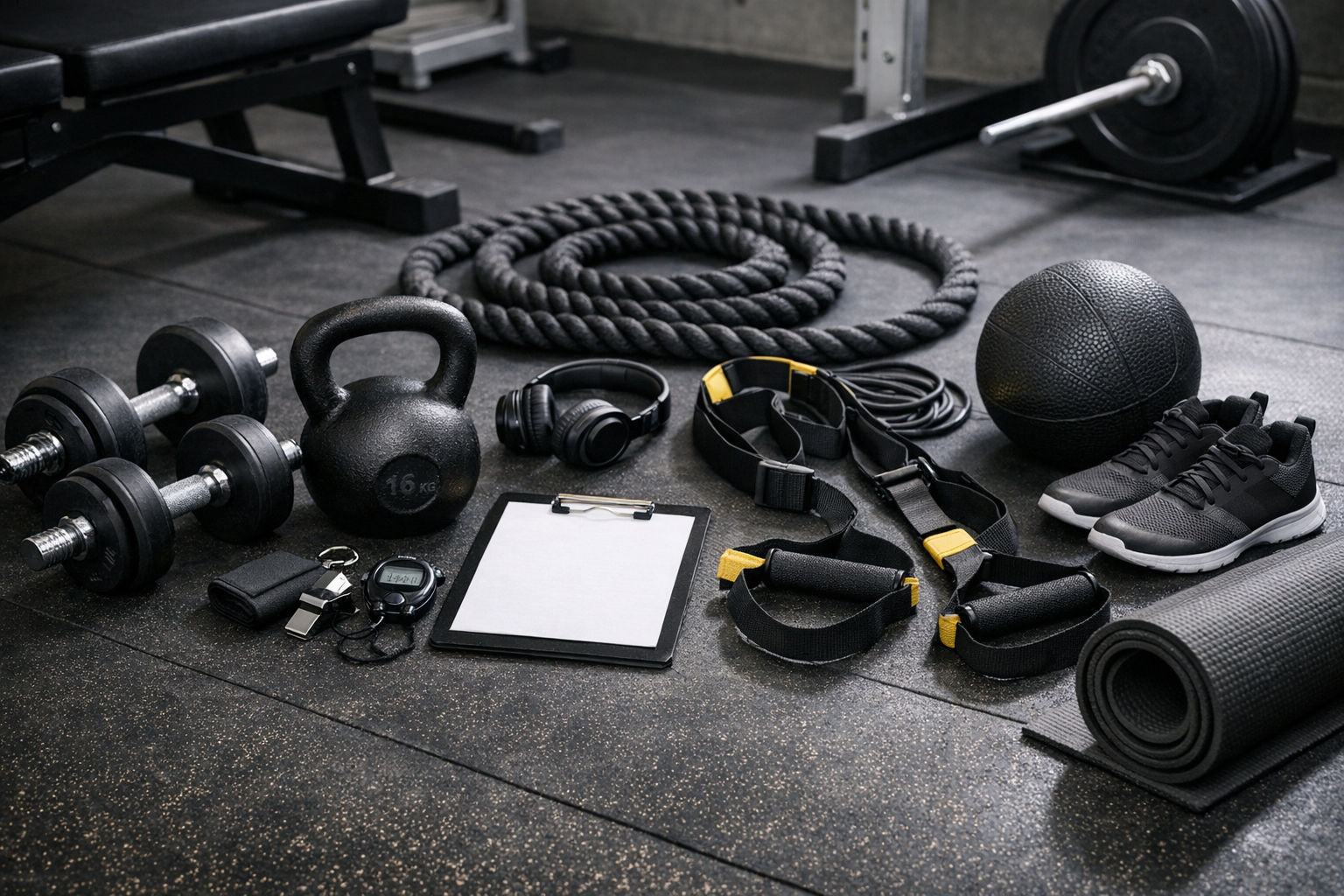
Fitness trainer equipment plays a huge role in how effective, safe, and engaging a workout can be. Whether you are a personal trainer, group fitness instructor, or gym owner, the right tools help you train clients with confidence and deliver better results. From basic free weights to tech-driven recovery tools, smart equipment choices can improve performance, support progression, and keep workouts fresh.
Why Fitness Trainer Equipment Matters
Good equipment is not just about having more options in the gym. It helps trainers adapt sessions to different fitness levels, goals, and physical limitations. The right setup also makes it easier to teach proper form, monitor progress, and reduce injury risk.
For trainers, equipment is an extension of coaching. A well-chosen kettlebell, resistance band, or suspension trainer can turn a simple movement into a targeted, effective exercise. When equipment is organized and easy to use, sessions run more smoothly and clients stay more engaged.
Essential Fitness Trainer Equipment Categories
Every trainer’s toolkit will look a little different, but some equipment categories are useful in almost any training environment. These tools support strength, mobility, conditioning, and recovery, making them foundational for most programs.
1. Free Weights
Free weights are among the most versatile pieces of fitness trainer equipment. Dumbbells, barbells, kettlebells, and weight plates allow trainers to build strength and power while improving coordination and balance.
Dumbbells are especially useful because they can be used for beginners and advanced clients alike. Barbells are excellent for compound lifts such as squats, deadlifts, and presses. Kettlebells add a dynamic element that works well for swings, carries, and explosive training. For trainers, free weights are essential because they can be scaled easily and used in countless ways.
2. Resistance Bands
Resistance bands are lightweight, portable, and incredibly versatile. Trainers use them for warm-ups, activation drills, strength training, and mobility work. They are also a smart option for clients recovering from injuries or those who need lower-impact training.
Loop bands, tube bands, and long power bands each serve different purposes. Loop bands are great for glute activation and lower-body work, while long bands are useful for assisted pull-ups, resisted sprints, and stretching. Because they take up very little space, they are one of the most practical pieces of trainer equipment to keep on hand.
3. Stability and Balance Tools
Balance-focused equipment helps clients develop core strength, coordination, and joint stability. Common tools include stability balls, BOSU trainers, balance pads, and wobble boards. These items can add variety to workouts while challenging muscles in new ways.
Trainers often use this equipment for rehabilitation-style exercises, core circuits, or functional movement training. It is especially helpful for clients who need to improve posture, body awareness, or athletic control. However, balance tools should be used thoughtfully and matched to the client’s ability level.
4. Suspension Trainers
Suspension trainers, such as strap-based systems, are popular because they use body weight and instability to create a demanding workout. They are easy to anchor indoors or outdoors, which makes them a flexible option for mobile trainers and small studios.
With suspension equipment, trainers can target the upper body, lower body, and core using scalable movements. Exercises like rows, push-ups, planks, lunges, and hamstring curls become more challenging because of the unstable setup. This makes suspension trainers a powerful tool for full-body conditioning.
5. Cardio Equipment
Cardio machines and conditioning tools help improve endurance, heart health, and calorie burn. Depending on the training space, this may include treadmills, stationary bikes, rowing machines, assault bikes, jump ropes, sleds, or battle ropes.
Trainers use cardio equipment not only for steady-state workouts but also for intervals, circuits, and sport-specific conditioning. Jump ropes and sleds are especially useful because they are affordable, compact, and highly effective. The best cardio equipment is the kind that fits both the client’s goals and the available training space.
6. Mobility and Recovery Tools
Recovery is now a major part of modern fitness programming, and the right tools can help clients move and feel better. Foam rollers, massage balls, stretching straps, massage guns, and yoga mats are all useful additions to a trainer’s equipment collection.
These items help with warm-ups, cooldowns, and recovery sessions. Foam rolling can reduce muscle tightness, while stretching straps improve flexibility work. A good yoga mat also provides comfort for floor-based exercises and mobility drills. Trainers who prioritize recovery often help clients stay consistent and reduce downtime from soreness or overuse.
How to Choose the Right Equipment
Choosing fitness trainer equipment should begin with the needs of your clients. If you work with beginners, you may need more simple tools like bands, light dumbbells, and mats. If you train athletes, heavier weights, sleds, and power tools may be more appropriate. The best equipment is the equipment that helps you deliver safe, effective sessions.
Space is another important factor. A compact studio may benefit most from portable equipment that can be stored easily. Larger gyms can invest in machines, racks, and specialized training tools. Budget matters too, but it is often smarter to buy a few high-quality essentials first and expand over time.
Durability should never be overlooked. Trainer equipment gets heavy use, so it needs to withstand repeated wear. Look for tools with strong construction, easy maintenance, and reliable safety features. If the equipment is uncomfortable or difficult to use, clients are less likely to enjoy the training experience.
Tips for Organizing Trainer Equipment
A well-organized training space improves efficiency and professionalism. Equipment should be easy to find, easy to store, and arranged with safety in mind. Use racks, shelves, bins, and wall mounts to keep the floor clear and reduce clutter.
It also helps to group equipment by category. Keep bands together, store weights in labeled areas, and place mobility tools near mats or recovery stations. Clean and inspect equipment regularly so you can catch wear and tear before it becomes a problem. A tidy workout space sends a strong message that you value both quality and client experience.
The Future of Fitness Trainer Equipment
Fitness trainer equipment continues to evolve as technology and training methods change. Smart devices, wearable trackers, and connected cardio machines are becoming more common in training spaces. These tools can give trainers more data on heart rate, movement quality, and workout intensity.
At the same time, simple, functional equipment remains just as important as high-tech gear. Many trainers still rely on basic tools like free weights, bands, and mats because they are reliable and effective. The future likely belongs to trainers who can combine classic equipment with modern technology in a way that keeps clients motivated and progressing.
Conclusion
The best fitness trainer equipment is not about having the most items; it is about choosing the right tools for your clients, your space, and your training style. When you invest in versatile, durable, and well-organized equipment, you create a better experience for every workout. With the right setup, trainers can deliver sessions that are safer, more effective, and more enjoyable.