

Gym for Weight Loss: How to Build an Effective Fat-Loss Routine
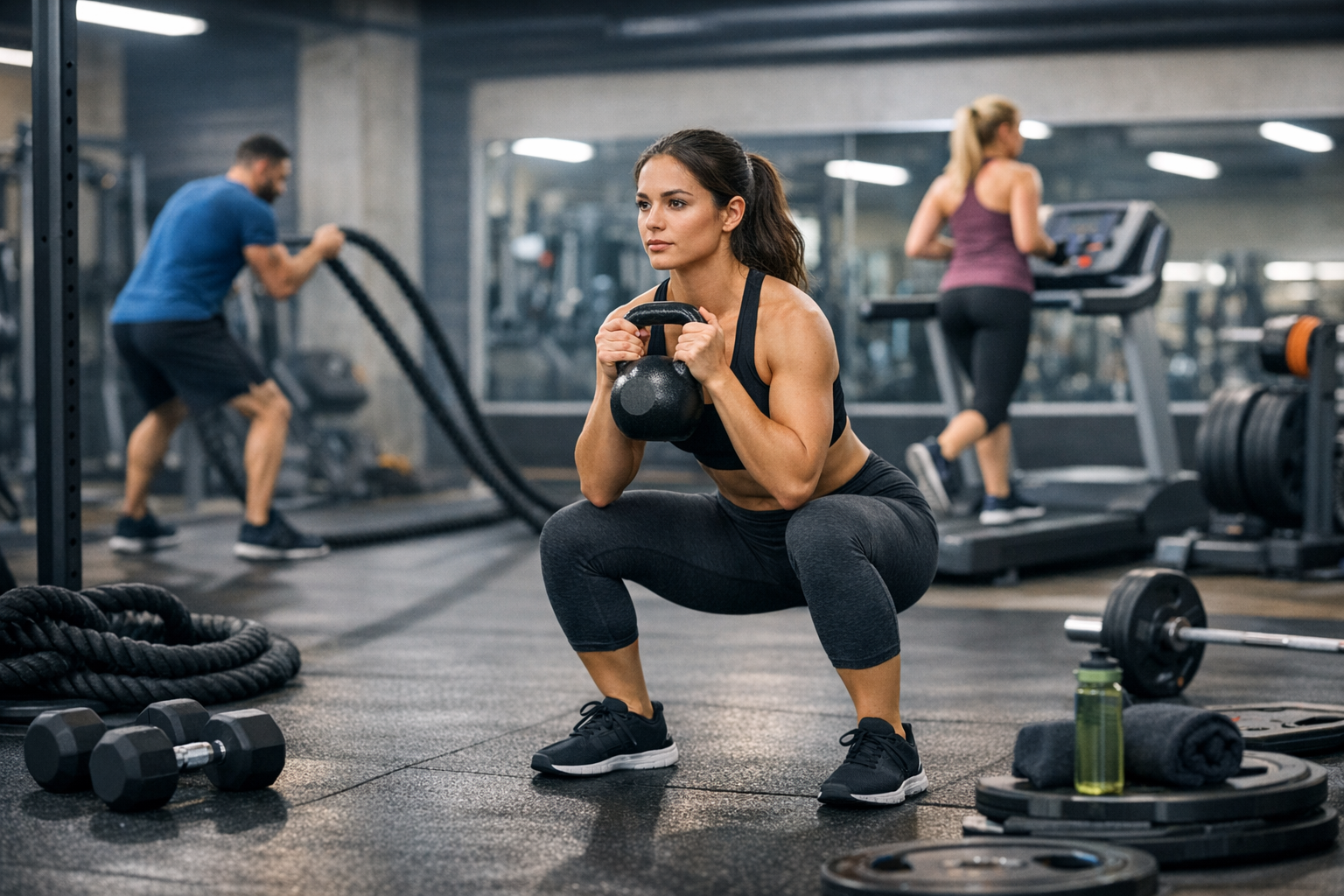
Joining a gym for weight loss can be one of the smartest decisions you make for your health. A well-designed gym routine gives you access to equipment, structure, and support that can make fat loss easier to sustain. But the real secret is not just showing up—it’s knowing how to train, how to recover, and how to combine exercise with smart habits that actually help you lose weight.
If you want lasting results, think of the gym as a tool for building a healthier body, not just a place to burn calories. The best weight-loss plans include strength training, cardio, consistency, and nutrition habits that support your goals. Here’s how to make your gym time work for you.
Why the Gym Helps with Weight Loss
The gym is effective for weight loss because it gives you a controlled environment where you can train with purpose. Instead of guessing what to do, you can follow a plan that combines cardio, resistance training, and progressive overload. This helps you burn calories during workouts and build lean muscle, which can support a higher metabolism over time.
Another advantage is variety. Treadmills, bikes, rowers, weights, and classes all give you different ways to stay active. That variety can help prevent boredom, reduce plateaus, and keep you motivated. Most importantly, a gym routine can be adapted to your fitness level, whether you are just starting out or getting back on track.
Best Gym Workouts for Weight Loss
The most effective gym routine for weight loss usually combines cardio and strength training. Cardio helps you burn calories and improve endurance, while strength training helps preserve muscle as you lose fat. Together, they create a balanced approach that supports long-term results.
1. Strength Training
Strength training should be a core part of any gym for weight loss program. Lifting weights helps you build and maintain muscle, which is important because muscle tissue burns more calories at rest than fat tissue. It also shapes your body as the number on the scale changes.
Focus on compound movements such as squats, deadlifts, lunges, bench presses, overhead presses, rows, and pull-downs. These exercises work multiple muscle groups at once, making them efficient for fat loss. Aim for two to four strength sessions per week, depending on your experience and recovery.
2. Cardio Workouts
Cardio remains a valuable tool for weight loss because it helps increase your daily calorie burn. On gym machines, you can choose from the treadmill, elliptical, stationary bike, stair climber, or rowing machine. Each one offers a different intensity and impact level.
Steady-state cardio, such as walking on an incline or cycling at a moderate pace, is excellent for beginners. High-intensity interval training, or HIIT, can be effective too because it alternates short bursts of effort with recovery periods. A mix of both styles often works best for sustainable progress.
3. Circuit Training
Circuit training is another great option if you want to save time and keep your heart rate elevated. This style combines strength and cardio by moving quickly from one exercise to another with minimal rest. For example, you might do squats, push-ups, rowing, dumbbell presses, and jumping rope in one session.
Circuit workouts are efficient, engaging, and ideal for people who prefer variety. They can also help you build endurance while still challenging your muscles.
How Often Should You Go to the Gym?
Consistency matters more than intensity alone. For most people trying to lose weight, going to the gym three to five times per week is a realistic and effective target. If you are new to exercise, start with fewer sessions and gradually build up as your fitness improves.
A balanced weekly schedule might include two or three strength workouts, two cardio-focused sessions, and one or two active recovery days with light movement like walking or stretching. The key is to create a routine you can maintain without burnout. A plan that is too aggressive often leads to missed workouts and frustration.
What to Eat Before and After the Gym
Exercise works best when paired with smart nutrition. You do not need a perfect diet to lose weight, but your food choices matter. To support energy and recovery, choose meals and snacks that include protein, fiber, and healthy carbohydrates.
Before the gym, a light snack such as Greek yogurt, a banana, or whole-grain toast with peanut butter can provide fuel. After your workout, aim for a meal with lean protein and nutrient-dense carbs, such as chicken with rice and vegetables, eggs with oats, or tofu with sweet potato. Staying hydrated is also important, especially during longer or more intense workouts.
Common Mistakes to Avoid
Many people start a gym for weight loss plan with high expectations but fall into a few common traps. One mistake is relying only on cardio and ignoring strength training. While cardio burns calories, resistance exercise helps protect muscle and improve body composition.
Another common issue is doing too much too soon. Extreme workouts can lead to fatigue, soreness, and inconsistency. It is better to build gradually and stay committed. Also, do not overlook nutrition. Even the best gym routine cannot outwork poor eating habits every day. Finally, track more than just scale weight. Notice improvements in energy, endurance, strength, and how your clothes fit.
How to Stay Motivated Long Term
Motivation may get you started, but habits keep you going. Set realistic goals, such as attending the gym three times a week or increasing your workout weight over time. Tracking progress can also help, whether you use a notebook, app, or fitness tracker.
It helps to choose workouts you actually enjoy. If you dislike running, use the bike or rowing machine instead. If you feel overwhelmed, work with a trainer for a few sessions to learn proper form and build confidence. Small wins matter, and they add up quickly when you stay consistent.
Conclusion
A gym for weight loss works best when it becomes part of a balanced lifestyle. Focus on strength training, cardio, good nutrition, and steady habits rather than quick fixes. With a simple, consistent routine, the gym can help you lose fat, gain confidence, and build a healthier body that lasts.