

Types of Gym Classes: A Helpful Guide to Choosing the Right Workout
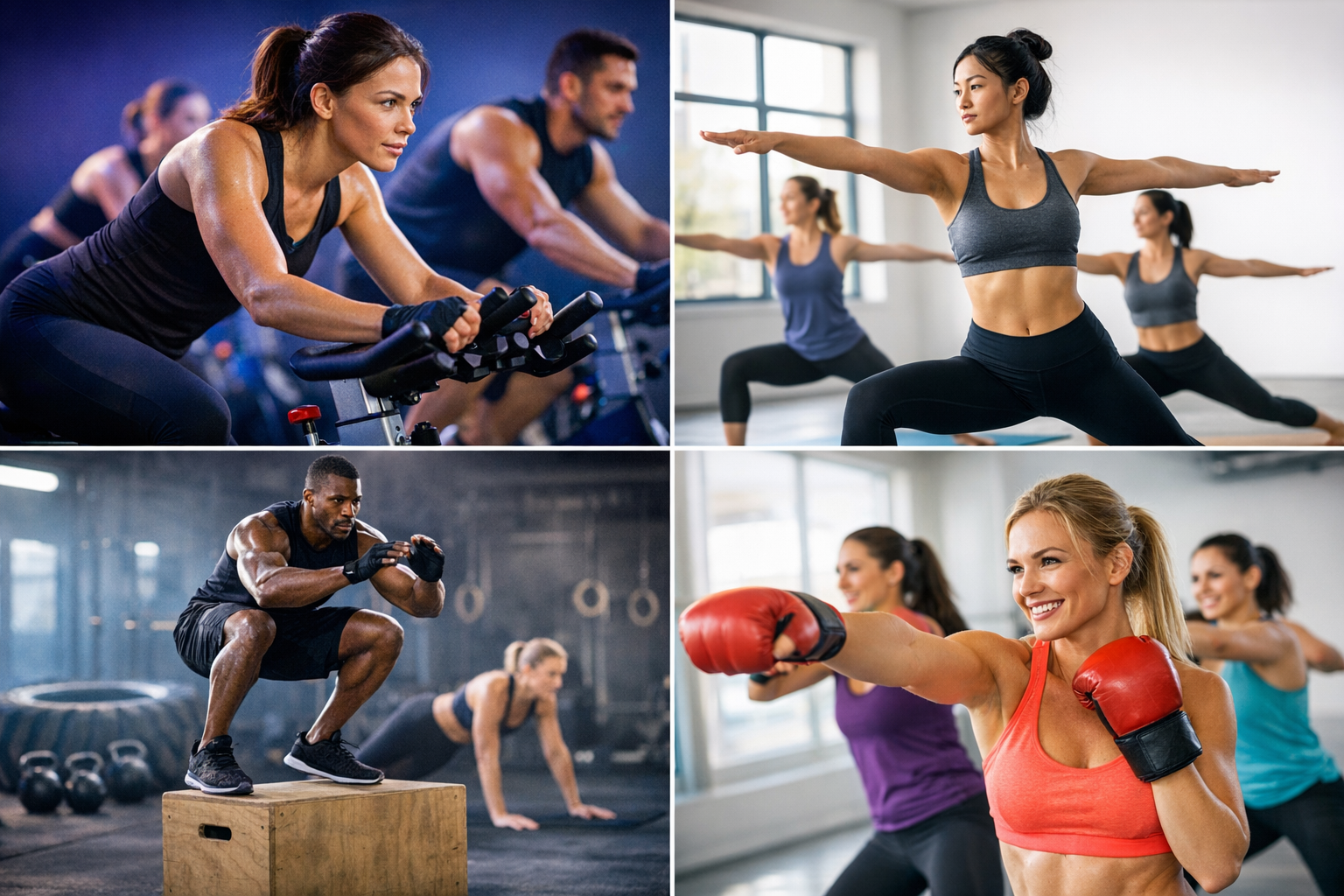
Types of Gym Classes
Gym classes can be one of the easiest ways to stay consistent with exercise. They add structure, motivation, and variety to your routine, which can make working out feel less like a chore and more like an experience. Whether you want to build strength, improve flexibility, boost cardio fitness, or simply find a class you actually enjoy, there are many types of gym classes designed for different goals and fitness levels.
If you’re new to the gym or looking to switch up your routine, understanding the main class formats can help you choose the right fit. Below is a simple breakdown of the most popular options and what each one offers.
1. Cardio Classes
Cardio classes are designed to get your heart rate up and improve endurance. These workouts are great for burning calories, building stamina, and supporting heart health. They often combine rhythm, movement, and energetic instruction, which makes them feel fun and fast-paced.
Common examples include dance fitness, step aerobics, indoor cycling, and high-energy cardio circuits. These classes can range from beginner-friendly to very intense, so it’s worth checking the pace before you join. If you enjoy upbeat music and a group atmosphere, cardio classes can be a motivating way to stay active.
2. Strength Training Classes
Strength training classes focus on building muscle, improving bone density, and increasing overall power. They usually involve equipment such as dumbbells, resistance bands, kettlebells, or bodyweight exercises. These classes are especially useful for anyone who wants to become stronger, improve posture, or support long-term fitness goals.
Popular formats include barbell-based strength classes, full-body resistance training, and circuit workouts with weights. Many classes are designed so participants can adjust the load to match their ability level. That makes strength classes a good choice for beginners and experienced gym-goers alike.
3. HIIT Classes
HIIT, or high-intensity interval training, alternates short bursts of intense effort with recovery periods. This style of training is popular because it can deliver a challenging workout in a relatively short amount of time. HIIT classes often mix cardio and strength exercises, creating a fast-moving session that keeps you engaged from start to finish.
Because HIIT can be demanding, it’s important to pace yourself and focus on form. These classes are often a good match for people who enjoy variety and want a time-efficient workout. They can be intense, but many gyms offer modified versions for different fitness levels.
4. Yoga Classes
Yoga classes are ideal for improving flexibility, balance, mobility, and mindfulness. While yoga is often associated with relaxation, it can also be physically challenging depending on the style. Some classes are slow and restorative, while others are more dynamic and strength-focused.
Styles may include gentle yoga, vinyasa, power yoga, and hot yoga. Yoga can be a great complement to other forms of exercise because it helps with recovery, stress reduction, and body awareness. If you want a class that supports both physical and mental well-being, yoga is worth exploring.
5. Pilates Classes
Pilates focuses on core strength, stability, posture, and controlled movement. It is especially popular with people who want to build a strong foundation without high-impact exercises. Pilates classes may be mat-based or use specialized equipment like a reformer.
These classes are known for precise movements and attention to breathing and alignment. They can help improve balance, strengthen smaller muscle groups, and support better movement in everyday life. Pilates is a strong option if you want a low-impact workout that still feels intentional and challenging.
6. Dance Fitness Classes
Dance fitness classes combine movement, music, and fun to create an enjoyable workout experience. They are usually set to energetic playlists and choreographed routines that keep the session lively. The focus is less on technical dance skill and more on moving your body, sweating, and having a good time.
These classes can be a fantastic option for people who dislike traditional exercise or want something more playful. Dance fitness is also a great way to improve coordination, cardiovascular fitness, and mood. Since the atmosphere is often encouraging and social, it can be easier to stay consistent over time.
7. Bodyweight and Functional Training Classes
Bodyweight and functional training classes help you build strength and mobility using natural movement patterns. Exercises may include squats, lunges, push-ups, planks, carries, and balance drills. These classes are practical because they train muscles and movement patterns that support daily life.
Functional training classes are often useful for improving coordination, stability, and overall athletic performance. Because they can be adapted to different levels, they work well for beginners and seasoned exercisers. If your goal is to move better, feel stronger, and reduce injury risk, this type of class is an excellent choice.
8. Recovery and Mobility Classes
Not every gym class needs to leave you exhausted. Recovery and mobility classes focus on stretching, joint health, movement quality, and relaxation. These sessions may include mobility drills, guided stretching, foam rolling, or light flow work.
They are especially helpful if you train hard in other classes or spend a lot of time sitting during the day. Recovery-focused sessions can support flexibility, reduce stiffness, and help your body bounce back between workouts. Adding one of these classes to your weekly routine can improve overall performance and comfort.
How to Choose the Right Gym Class
The best gym class for you depends on your goals, experience, and preferences. If you want to improve endurance, start with cardio or HIIT. If strength is your priority, try resistance or functional training. For flexibility, stress relief, and mind-body balance, yoga or Pilates may be the better fit.
It also helps to think about your personality. Do you like high-energy environments, or do you prefer calm and controlled sessions? Are you motivated by music, coaching, or measurable progress? Trying a few different styles can help you find what keeps you coming back.
When choosing a class, consider the intensity level, class length, and whether modifications are available. If you are new to exercise or returning after a break, look for beginner-friendly classes or ask the instructor what to expect before you attend.
Conclusion
There are many types of gym classes, and each one offers unique benefits. From cardio and strength training to yoga, Pilates, and recovery sessions, the right class can make fitness more enjoyable and sustainable. The best way to find your favorite is to experiment, stay open-minded, and choose workouts that match both your goals and your lifestyle.