

What to Wear to the Gym: A Practical Guide for Comfort, Confidence, and Performance
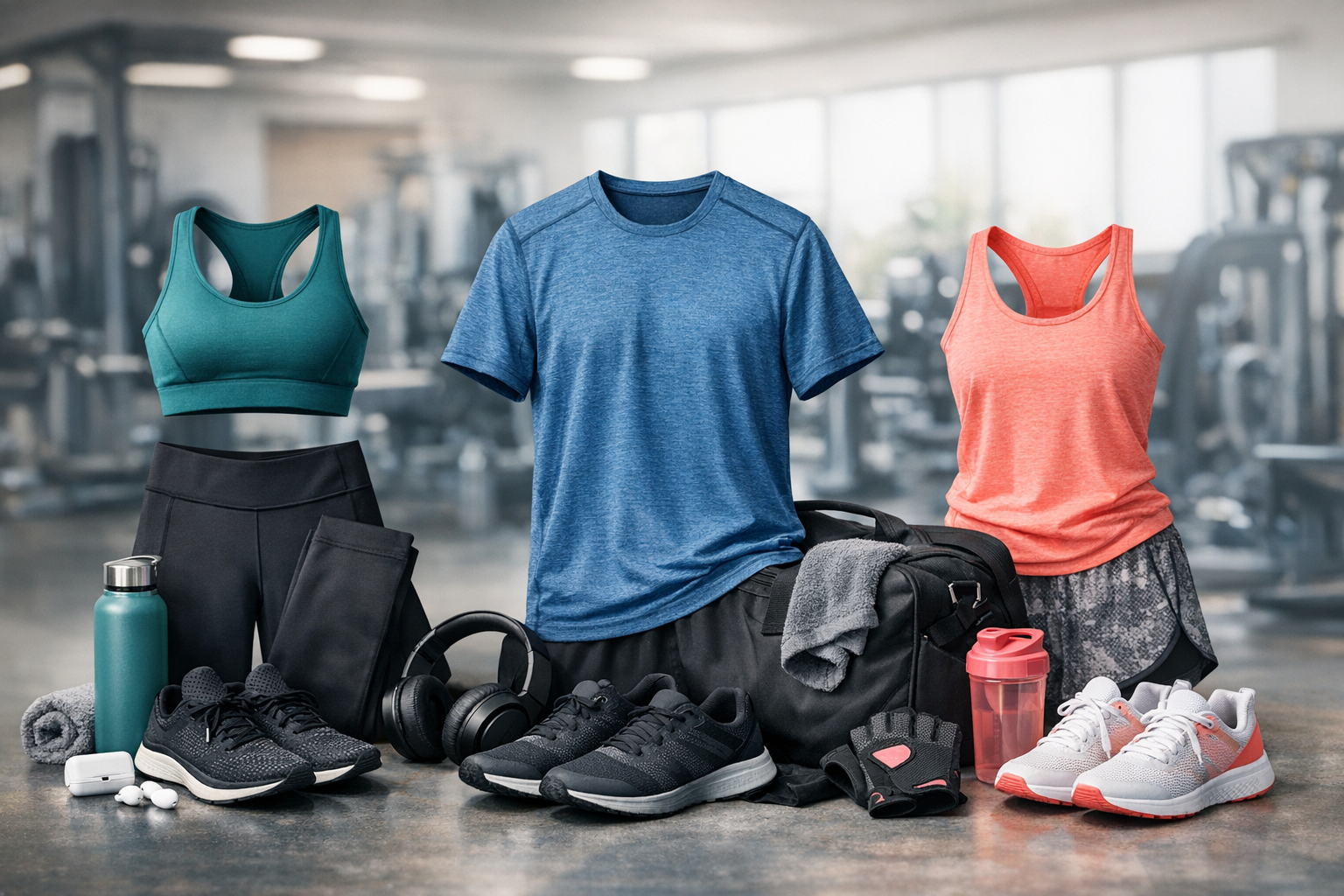
What to Wear to the Gym: A Practical Guide for Comfort, Confidence, and Performance
Choosing the right gym outfit can make a bigger difference than most people think. What you wear affects your comfort, how freely you move, how confident you feel, and even how well you stay focused during your workout. The good news is that gym clothes do not need to be expensive or complicated. The best choices are usually the ones that fit well, help you move easily, and match the type of exercise you plan to do.
If you have ever stood in front of your closet wondering what to wear to the gym, this guide will help. From shirts and shorts to shoes and accessories, here is how to build a workout outfit that works for you.
Choose Clothes That Let You Move Freely
The most important rule for gym clothing is simple: wear something that allows a full range of motion. You should be able to squat, stretch, lift, run, or cycle without constantly adjusting your clothes. Tight, stiff, or overly bulky clothing can distract you and make exercise less comfortable.
Look for pieces made with flexible fabrics such as polyester blends, spandex, or nylon. These materials often stretch more easily than cotton and are designed to support active movement. A good fit matters too. Clothing should be snug enough to stay in place, but not so tight that it restricts breathing or circulation.
Best Tops for the Gym
When it comes to tops, moisture-wicking workout shirts are usually the best choice. These are designed to pull sweat away from your skin and dry faster than regular cotton T-shirts. That can help you stay cooler and reduce the discomfort of damp clothing during a hard workout.
For many people, a fitted athletic tee, tank top, or breathable long-sleeve top works well. Tanks are great for hot environments or upper-body workouts, while long sleeves can be useful if you want a little more coverage or are exercising in a cooler space. If you prefer cotton, it is fine for light workouts, but it may feel heavy once you start sweating.
Best Bottoms for the Gym
Gym bottoms should support movement without getting in the way. Popular options include leggings, joggers, shorts, and athletic pants. Leggings are a favorite for their stretch and support, especially for yoga, strength training, and cardio. Shorts are a good option for warm weather or intense sessions when you want maximum airflow.
Joggers and athletic pants can be useful if you prefer more coverage or are heading to and from the gym in cooler weather. Whatever style you choose, make sure the waistband stays secure and the fabric does not ride up or chafe. For men and women alike, pockets can also be helpful if you want a place for your phone, locker key, or gym card.
Pick the Right Fabric
Fabric matters just as much as style. The best gym clothes are often made from technical fabrics that manage sweat, dry quickly, and stretch easily. These features help you stay more comfortable during exercise and reduce the chance of irritation.
Here are a few helpful fabric tips:
- Moisture-wicking fabrics: Help move sweat away from the skin.
- Breathable materials: Allow air to circulate and prevent overheating.
- Stretch fabrics: Support movements like lunges, squats, and overhead lifts.
- Seamless or smooth designs: Can reduce friction and chafing.
Try to avoid heavy fabrics that soak up sweat and stay wet for a long time. While these may be comfortable for casual wear, they are often less practical for a workout.
Don’t Forget Proper Gym Shoes
Shoes are one of the most important parts of your gym outfit. The right pair can improve stability, comfort, and performance, while the wrong pair can make exercise harder and even increase the risk of injury. The best shoe for you depends on the type of workout you do most often.
If you are mainly lifting weights, a stable shoe with a flat sole may be ideal. For running or cardio, choose a shoe with good cushioning and support. Cross-training shoes are a versatile option if your workouts include a mix of lifting, jumping, and treadmill work. Yoga or Pilates classes often call for either barefoot movement or lightweight, flexible footwear depending on the studio’s rules.
Make sure your shoes fit properly, with enough room in the toe box and secure support around the heel. Worn-out shoes can make training less comfortable, so replace them when the cushioning or tread starts to break down.
What About Socks?
Socks may seem like a small detail, but they matter more than you think. Athletic socks made with breathable, moisture-wicking fabric can help prevent blisters and keep your feet drier. Avoid socks that bunch up, slide down, or trap too much moisture. If you sweat a lot, look for socks with extra arch support or targeted cushioning.
Dress for Your Workout Type
The best gym outfit also depends on what you plan to do. A person going to a spin class may want something different from someone training for heavy squats or attending a yoga session. Matching your clothing to your workout can make a big difference in comfort.
- Strength training: Choose flexible clothing that stays in place during lifts.
- Running or cardio: Look for breathable, sweat-resistant pieces and supportive shoes.
- Yoga or stretching: Wear soft, stretchy clothes that allow deep movement.
- Group classes: Pick an outfit that feels secure and lets you move confidently.
If you do a mix of activities, choose versatile pieces that can handle different kinds of movement. A good pair of leggings or training shorts, a breathable top, and cross-training shoes can cover a lot of workouts.
Layer Smartly for Comfort
If you are heading to the gym early in the morning, in cold weather, or after work, layering can help you stay comfortable before and after your workout. A lightweight hoodie, zip-up jacket, or sweatshirt can keep you warm on the way in without making you overheat during exercise.
Try to use layers that are easy to remove and store. Avoid overly thick or restrictive outerwear if you plan to warm up quickly. The goal is to stay comfortable without making your workout outfit feel heavy or complicated.
Choose Clothes That Make You Feel Good
Practicality is important, but confidence matters too. When you like how you look, you may feel more motivated to show up and work hard. That does not mean you need trendy or expensive gear. It simply means choosing clothing that fits well, feels comfortable, and reflects your personal style.
Some people like bold colors, while others prefer neutral tones. Some want matching sets, and others just want simple basics. The right outfit is the one that helps you feel ready to move. If you feel distracted, self-conscious, or uncomfortable in what you are wearing, it may be worth trying a different fit or fabric.
Conclusion
What to wear to the gym comes down to three things: comfort, function, and confidence. Choose breathable, flexible clothes, wear the right shoes for your workout, and dress in a way that helps you feel prepared. A good gym outfit does not have to be fancy, but it should support the way you move. Once you find the right combination, getting dressed for the gym becomes one less thing to think about and one more step toward a successful workout.