

Beginner Gym Exercises: A Simple Guide to Getting Started
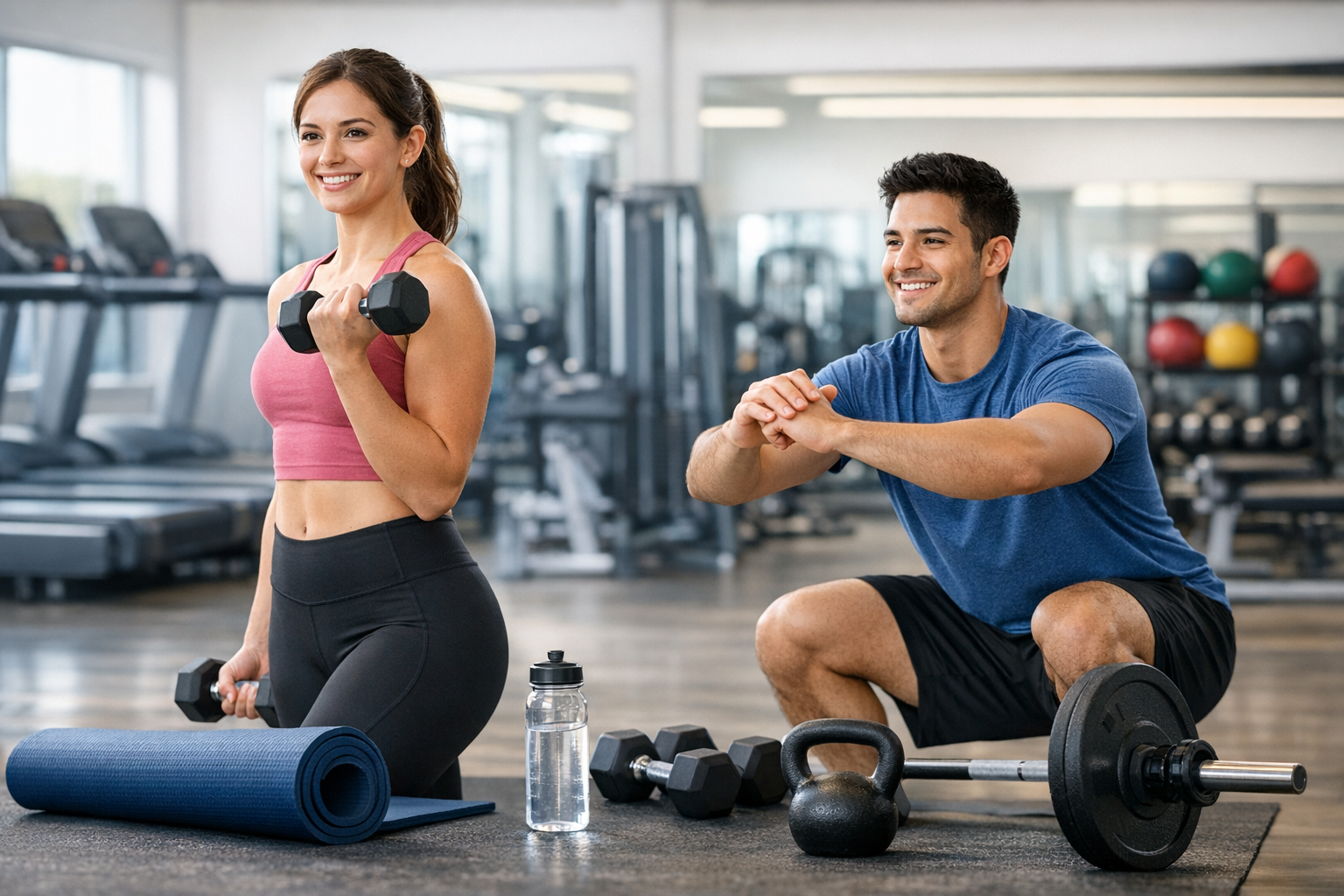
Beginner Gym Exercises: A Simple Guide to Getting Started
Starting a gym routine can feel intimidating, especially if you are new to strength training or fitness in general. The good news is that you do not need complicated workouts or fancy equipment to make progress. With a few beginner-friendly gym exercises, you can build strength, improve confidence, and create a solid foundation for long-term fitness.
This guide covers the best beginner gym exercises, how to structure them, and a few simple tips to help you stay consistent. Whether your goal is to get stronger, lose weight, or simply feel better, these movements are a great place to start.
Why Beginner Gym Exercises Matter
Beginner gym exercises are designed to help you learn proper movement patterns while reducing the risk of injury. They usually focus on major muscle groups and use simple, repeatable motions that are easy to progress over time.
When you begin with basic exercises, you give your body time to adapt. You also develop balance, coordination, and confidence with gym equipment. This makes it easier to move on to more advanced workouts later.
Best Beginner Gym Exercises to Start With
The following exercises are reliable, effective, and beginner-friendly. You do not need to do all of them in one session. Instead, pick a few and learn them well.
1. Bodyweight Squats
Bodyweight squats are one of the best exercises for beginners because they train your legs, glutes, and core at the same time. They also help you learn how to sit back and lower your body with control.
How to do it: Stand with your feet about shoulder-width apart. Keep your chest up, bend your knees, and lower your hips as if you are sitting in a chair. Push through your heels to stand back up.
Tip: If you struggle with balance, try squatting down to a bench or box.
2. Dumbbell Bench Press
The dumbbell bench press builds chest, shoulder, and triceps strength. Dumbbells are often easier for beginners than a barbell because they allow a more natural range of motion.
How to do it: Lie on a flat bench with a dumbbell in each hand. Start with your arms bent and the weights near your chest. Press the dumbbells up until your arms are extended, then lower them slowly.
Tip: Keep your wrists straight and your movements controlled.
3. Seated Cable Row
This exercise strengthens your upper back, biceps, and posture muscles. Many beginners spend too much time pushing exercises and not enough time pulling, so the seated cable row is a valuable addition.
How to do it: Sit at a cable row machine with your feet braced and your knees slightly bent. Pull the handle toward your torso while squeezing your shoulder blades together. Slowly return to the starting position.
Tip: Avoid leaning too far back or using momentum.
4. Dumbbell Shoulder Press
The dumbbell shoulder press works your shoulders and triceps while also helping with upper-body stability. It is a simple movement that can be performed seated or standing.
How to do it: Hold a dumbbell in each hand at shoulder height. Press the weights overhead until your arms are straight, then lower them with control.
Tip: Keep your core engaged to avoid arching your lower back.
5. Lat Pulldown
The lat pulldown is a beginner-friendly machine exercise that targets your upper back and arms. It is a great introduction to pulling movements if pull-ups feel too difficult right now.
How to do it: Sit at the machine and grip the bar slightly wider than shoulder-width. Pull the bar down toward your upper chest, then slowly let it rise back up.
Tip: Focus on pulling with your back, not just your hands.
6. Glute Bridge
Glute bridges are excellent for activating your glutes, hamstrings, and core. They are simple, effective, and easy to do with little or no equipment.
How to do it: Lie on your back with your knees bent and feet flat on the floor. Drive through your heels and lift your hips until your body forms a straight line from shoulders to knees. Lower slowly.
Tip: Pause briefly at the top to feel your glutes working.
7. Plank
The plank is one of the best core exercises for beginners. It strengthens your abs, back, shoulders, and glutes while teaching you how to brace your body.
How to do it: Start on your forearms and toes. Keep your body in a straight line and hold the position without letting your hips sag or rise too high.
Tip: If a full plank is too difficult, begin on your knees.
How to Build a Beginner Gym Workout
A good beginner workout does not need to be long or complicated. In fact, shorter sessions are often easier to stick with. A simple full-body routine performed two or three times per week is usually enough to see progress.
For example, you might choose one exercise from each category:
- Legs: bodyweight squats
- Push: dumbbell bench press
- Pull: seated cable row or lat pulldown
- Shoulders: dumbbell shoulder press
- Core: plank
Try 2 to 3 sets of 8 to 12 reps for most exercises, resting 60 to 90 seconds between sets. For planks, aim for 15 to 30 seconds and gradually increase the time as you get stronger.
Beginner Gym Tips for Better Results
Good results come from consistency, not perfection. Keep these tips in mind as you start your gym journey:
- Learn proper form first. Use light weights and focus on technique before increasing resistance.
- Warm up before training. Five to 10 minutes of light cardio and mobility work can help prepare your body.
- Start small. Doing a few exercises well is better than trying to do too much at once.
- Track your workouts. Writing down weights, reps, and sets helps you see progress over time.
- Rest and recover. Muscles grow and adapt between workouts, so recovery matters just as much as training.
Conclusion
Beginner gym exercises do not have to be complicated to be effective. By focusing on simple movements like squats, presses, rows, and planks, you can build strength, improve your fitness, and feel more comfortable in the gym. Start with the basics, stay consistent, and progress at your own pace. The most important step is simply showing up and getting started.