

Top Fitness Trainers: What Sets the Best Apart and How to Choose One
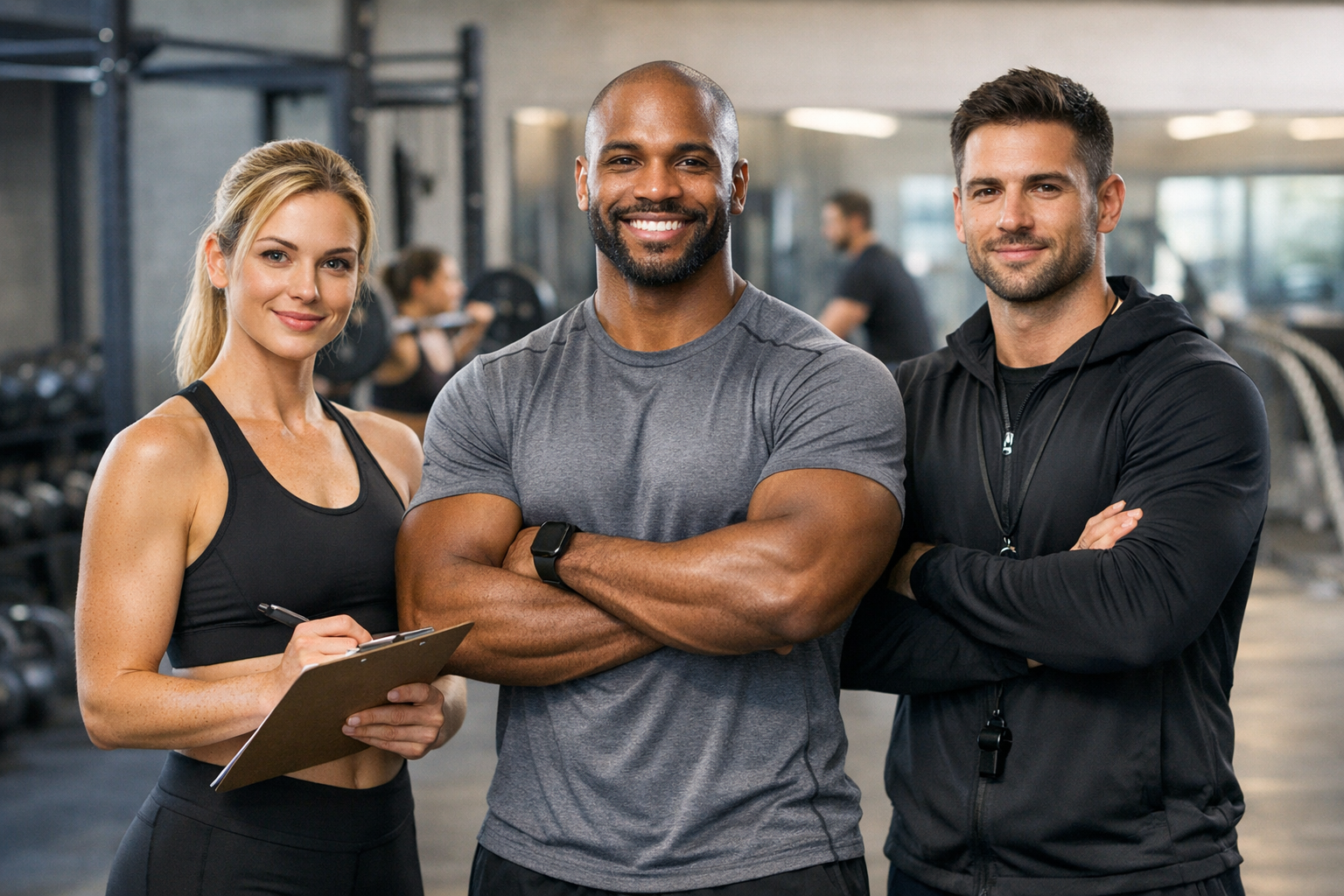
When people talk about getting in the best shape of their lives, the conversation often turns to top fitness trainers. The best trainers do more than count reps or design workouts. They help clients build confidence, stay consistent, avoid injury, and create lasting habits that fit real life. Whether you want to lose weight, build muscle, improve athletic performance, or simply feel healthier, the right trainer can make the process clearer and more effective.
But what actually makes a fitness trainer stand out? And how do you know which one is right for your goals? Below, we break down the qualities that define great trainers, the different types of expertise to look for, and how to choose someone who can help you succeed.
What Makes a Top Fitness Trainer?
Not every trainer offers the same level of knowledge or support. The best fitness trainers combine technical expertise with communication skills, motivation, and professionalism. They understand that fitness is not one-size-fits-all, and they adapt programs to the individual.
Strong Credentials and Education
A top trainer typically has reputable certifications, continuing education, or a background in exercise science, kinesiology, sports performance, or a related field. Certifications from recognized organizations show that the trainer understands anatomy, program design, movement mechanics, and safety.
Credentials matter because they help ensure the trainer can build effective programs and respond appropriately to different fitness levels and needs. A good trainer should also continue learning, since fitness research and best practices evolve over time.
Ability to Personalize Programs
The best trainers know that a workout plan should reflect the client, not the trainer’s favorite routine. They take into account age, experience, goals, schedule, injuries, preferences, and lifestyle. A personalized plan is more likely to be safe, realistic, and sustainable.
For example, a busy parent may need shorter sessions and home-friendly workouts, while an athlete may need performance-based strength and conditioning. Top trainers adjust accordingly instead of forcing everyone into the same template.
Excellent Communication Skills
Great fitness trainers explain exercises clearly, demonstrate proper form, and provide feedback in a way that is encouraging rather than overwhelming. They know how to listen carefully to client concerns and answer questions with patience.
Communication is also important for accountability. A trainer should help clients understand why certain exercises are included, how progress is measured, and what to expect along the way.
Different Types of Top Fitness Trainers
There are many kinds of trainers, and the best one for you depends on your goals. Some specialize in weight loss, while others focus on performance, recovery, or general health. Understanding these categories can help narrow your search.
General Personal Trainers
General personal trainers work with a broad range of clients and fitness goals. They are often a great choice for beginners, anyone returning to exercise after a break, or people who want a balanced approach that includes strength, cardio, and mobility.
These trainers can help with foundational movement patterns, exercise technique, and consistent habit-building. If you are unsure where to start, a general trainer is often a smart first step.
Strength and Conditioning Coaches
Strength and conditioning coaches typically work with athletes or active individuals who want to improve speed, power, endurance, and overall performance. They focus on structured training plans that support sport-specific goals.
This type of trainer may be a strong fit if you want to improve vertical jump, sprint speed, lifting performance, or recovery between workouts. Their approach is often more technical and performance-oriented.
Weight Loss and Lifestyle Coaches
Some trainers specialize in helping clients lose weight and build healthier routines. These professionals often combine exercise guidance with behavior change strategies, accountability, and basic nutrition support within their scope of practice.
The best weight loss-focused trainers emphasize long-term progress over quick fixes. They help clients create habits that are manageable, realistic, and sustainable.
Corrective Exercise and Mobility Specialists
If you struggle with pain, poor posture, limited mobility, or movement imbalances, a corrective exercise specialist may be the right choice. These trainers focus on improving movement quality, reducing compensation patterns, and supporting joint health.
While they are not a substitute for medical care, they can be especially helpful for people recovering from inactivity, dealing with stiffness, or trying to move more comfortably in daily life.
How Top Fitness Trainers Help Clients Succeed
The best trainers do more than design workouts. They create an environment where clients can make progress with confidence. Their role often includes education, encouragement, structure, and accountability.
They Set Clear, Realistic Goals
Top trainers help clients define goals that are specific and measurable. Instead of vague goals like “get fit,” they work toward targets such as increasing strength, improving energy, losing a certain amount of weight, or completing a 5K.
Clear goals give direction to the training process and make it easier to track results over time. They also help clients stay motivated when progress feels slow.
They Focus on Proper Form and Injury Prevention
Good movement matters. A skilled trainer watches form carefully, corrects technique, and chooses exercises appropriate for the client’s current ability. This reduces the risk of injury and helps ensure workouts are actually effective.
In many cases, the best trainers are as focused on what not to do as what to do. They know when to reduce intensity, modify an exercise, or include recovery work to support long-term progress.
They Build Confidence and Consistency
One of the biggest benefits of working with a top trainer is confidence. Many people feel intimidated by the gym or unsure whether they are doing exercises correctly. A supportive trainer can remove that uncertainty and help clients feel more capable.
Over time, this confidence leads to consistency. And consistency is often the real secret behind lasting fitness results.
How to Choose the Right Fitness Trainer
Finding the right trainer is about more than popularity or flashy social media posts. You want someone whose style, expertise, and personality match your needs.
Look for Relevant Experience
Ask about the trainer’s background and who they typically work with. If you have specific goals, choose someone with experience in that area. For instance, someone preparing for a bodybuilding show may want a trainer with competition prep experience, while a new exerciser may prefer someone who specializes in beginners.
Ask About Their Training Style
Some trainers are highly structured, while others are more flexible and conversational. Some use intense motivational coaching, while others take a calmer approach. There is no single best style, but there should be a fit between the trainer and the client.
A short consultation can help you determine whether the trainer’s communication style feels supportive and effective for you.
Check for Professionalism and Trust
Top trainers are reliable, punctual, respectful, and organized. They keep client information private, explain expectations clearly, and maintain appropriate boundaries. Trust matters because fitness coaching is a personal experience.
Reviews, referrals, and trial sessions can all help you gauge whether a trainer is professional and trustworthy.
Conclusion
The top fitness trainers stand out because they combine knowledge, personalization, communication, and accountability. They do not just lead workouts—they help clients build better habits, move with confidence, and stay committed to their goals. If you take the time to find a trainer whose expertise and style align with your needs, you will be setting yourself up for a stronger, healthier, and more successful fitness journey.