

Top Gym Equipment for Building Strength, Cardio, and a Better Workout Space
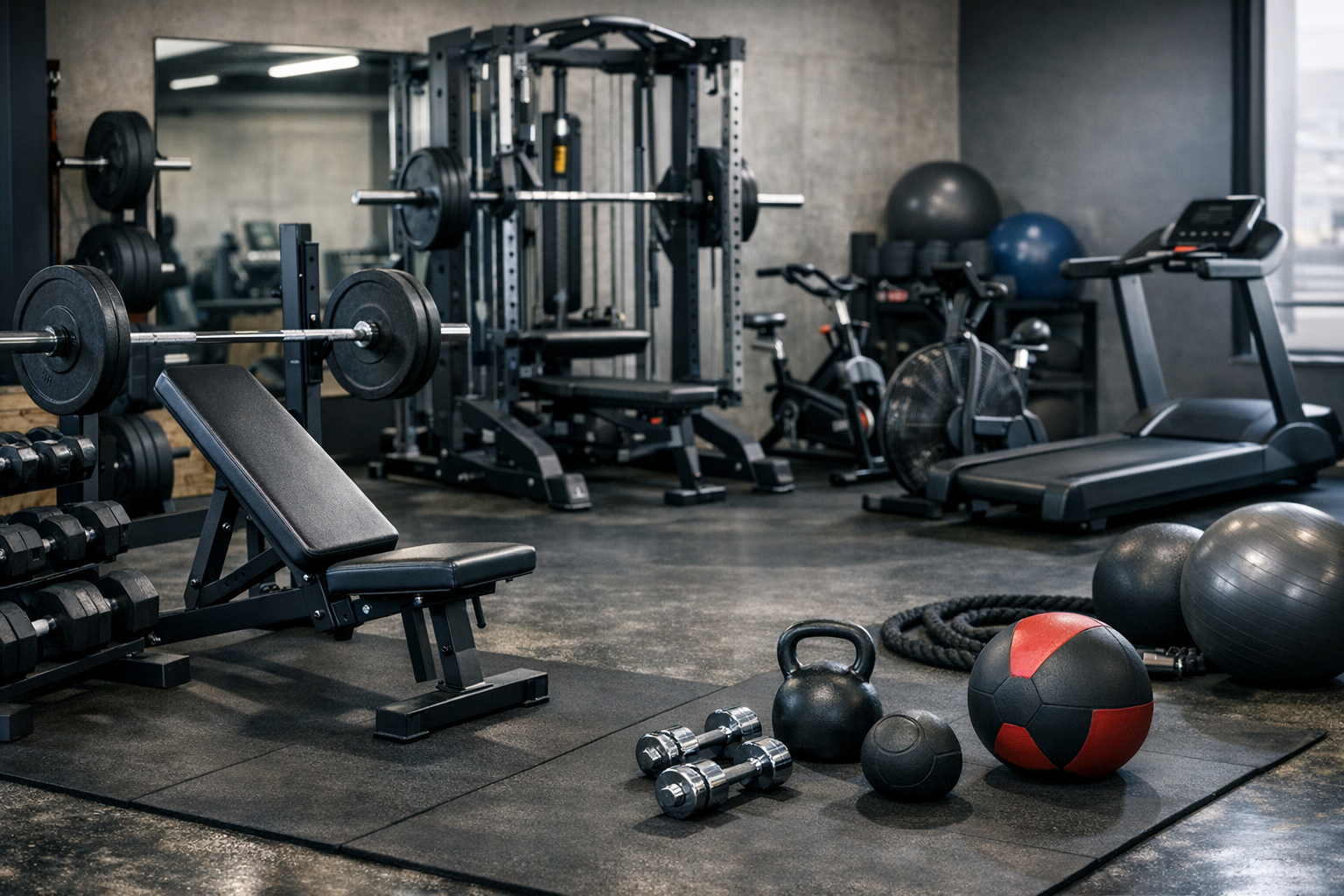
Top Gym Equipment for Every Training Goal
Whether you are setting up a home gym or upgrading a commercial fitness space, choosing the right equipment makes a big difference in results, safety, and motivation. The best gym equipment supports your goals, fits your space, and offers enough versatility to keep workouts effective over time. From strength training to cardio and recovery, a well-chosen setup can help you train smarter and stay consistent.
Below, we break down the top gym equipment worth considering, along with what makes each piece valuable and how it can fit into a balanced workout routine.
Strength Training Equipment
Strength equipment forms the foundation of most gym setups. It helps build muscle, increase endurance, improve bone density, and support everyday movement. If your goal is to get stronger, these are some of the most useful pieces to have.
1. Dumbbells
Dumbbells are one of the most versatile pieces of gym equipment available. They are ideal for beginners and advanced lifters alike because they allow for a wide range of exercises, including presses, rows, curls, lunges, and shoulder work.
One of the biggest advantages of dumbbells is that they help train both sides of the body independently. This can improve balance and reduce strength imbalances. Adjustable dumbbells are especially useful for home gyms because they save space while still offering multiple weight options.
2. Barbell and Weight Plates
A barbell and plate set is essential for serious strength training. This equipment is perfect for compound movements like squats, deadlifts, bench presses, and overhead presses. These exercises recruit multiple muscle groups at once, making them some of the most efficient movements for building overall strength.
Barbells also allow for progressive overload, which is the gradual increase of weight over time. This makes them a powerful tool for long-term muscle growth and performance improvement. If you want a classic, high-impact strength setup, a barbell is hard to beat.
3. Adjustable Bench
An adjustable bench adds a huge amount of flexibility to a gym. It can be used for flat, incline, and decline positions, making it useful for chest presses, seated shoulder presses, step-ups, and core exercises. A sturdy bench also improves exercise safety and positioning during free-weight workouts.
For home gyms, a foldable or adjustable bench is often one of the best investments because it expands the number of exercises you can perform without taking up much space.
4. Kettlebells
Kettlebells are excellent for both strength and conditioning. Their unique design makes them ideal for dynamic movements such as swings, snatches, goblet squats, and Turkish get-ups. These exercises can improve power, grip strength, coordination, and cardiovascular endurance.
Kettlebells are also compact and easy to store, making them a smart option for smaller workout areas. They are especially useful for people who want a challenging, full-body workout with minimal equipment.
Cardio Equipment That Delivers Results
Cardio equipment supports heart health, calorie burn, stamina, and recovery. The best choice depends on your fitness level, preferences, and how much space you have available. A good cardio setup keeps workouts engaging and helps you maintain consistency.
1. Treadmill
The treadmill remains one of the most popular gym machines for a reason. It offers a simple and effective way to walk, jog, or run indoors, regardless of weather or time of day. Many models include adjustable speed and incline settings, allowing users to vary intensity and simulate hill training.
Treadmills are great for steady-state cardio, interval training, and warm-ups. They are a strong choice for anyone who wants a familiar and efficient way to improve endurance.
2. Stationary Bike
Stationary bikes are joint-friendly, easy to use, and effective for burning calories. They are especially helpful for people who want low-impact cardio or need a safer option for recovery days. Upright bikes provide a traditional cycling feel, while recumbent bikes offer more back support and comfort.
Because cycling can be adjusted in intensity, stationary bikes work well for beginners and advanced athletes alike. They are also compact compared to some larger cardio machines, making them ideal for home use.
3. Rowing Machine
Rowing machines provide one of the most complete cardio workouts available. They engage the legs, core, back, shoulders, and arms while also improving cardiovascular fitness. This makes rowing a time-efficient option for people who want to combine strength and endurance work in a single session.
Rowers are particularly valuable because they are low-impact but still highly challenging. With proper technique, they can deliver excellent conditioning without placing excessive stress on the joints.
4. Elliptical Machine
The elliptical machine is another excellent low-impact cardio option. It simulates running or climbing without the same level of impact on the knees and ankles. Many machines also include moving handlebars, which increase upper-body involvement and calorie burn.
An elliptical is a practical choice for users who want a smooth, comfortable cardio experience. It is especially useful for longer sessions or for those returning to exercise after time off.
Functional Training and Conditioning Tools
Functional equipment helps improve movement patterns, athletic performance, and workout variety. These tools are often smaller than traditional machines, but they add a lot of value to a training space.
1. Resistance Bands
Resistance bands are lightweight, affordable, and highly versatile. They can be used for warm-ups, mobility work, strength training, rehabilitation, and assisted bodyweight exercises. Bands come in different resistance levels, so they can support a wide range of fitness goals.
They are also easy to pack and store, which makes them a great addition to any gym setup. If you want equipment that is simple but effective, bands are a must-have.
2. Medicine Balls
Medicine balls are useful for core training, explosive power, and partner workouts. They can be incorporated into slams, twists, throws, squats, and presses. Because they encourage dynamic movement, they are great for athletic conditioning and functional fitness routines.
Medicine balls also help develop coordination and body control. They are a smart addition for anyone looking to move beyond basic weightlifting.
3. Pull-Up Bar
A pull-up bar is a simple but powerful tool for upper-body training. Pull-ups and chin-ups build the back, arms, shoulders, and core with very little equipment. Even if you cannot do full reps yet, a bar can be used for hanging exercises, knee raises, and band-assisted progressions.
For home gyms, a doorway or wall-mounted pull-up bar is a space-saving way to add serious training value.
Recovery and Support Equipment
Recovery is just as important as training. The right support equipment can help reduce soreness, improve mobility, and keep your body ready for the next session. Many gym owners overlook recovery tools, but they are essential for long-term progress.
Foam Roller
A foam roller helps with self-myofascial release, which can ease muscle tightness and improve movement quality. It is especially useful after hard workouts or during warm-ups before training. Regular foam rolling can support flexibility and make recovery feel more manageable.
Exercise Mat
An exercise mat provides comfort and stability for floor work, stretching, yoga, core training, and mobility drills. It is a simple item, but it improves safety and makes ground-based exercises much more comfortable. In a home gym, a durable mat is a practical essential.
How to Choose the Best Gym Equipment
The best gym equipment is the equipment you will actually use. Before making a purchase, think about your goals, available space, budget, and experience level. A lifter focused on strength may want a barbell, plates, and bench first, while someone prioritizing cardio may choose a treadmill or bike.
It is also wise to invest in quality over quantity. A few durable, multifunctional pieces often provide more value than a room full of machines that rarely get used. Start with the essentials, then add equipment that supports your routine as your training evolves.
Conclusion
The top gym equipment depends on your goals, but some pieces stand out for their versatility and long-term value. Dumbbells, barbells, benches, cardio machines, and functional tools can all play an important role in building a well-rounded workout space. By choosing equipment that matches your needs, you can create a gym setup that supports consistency, progress, and better results.