

Fitness Club Equipment: The Essential Guide to Building a Better Workout Space
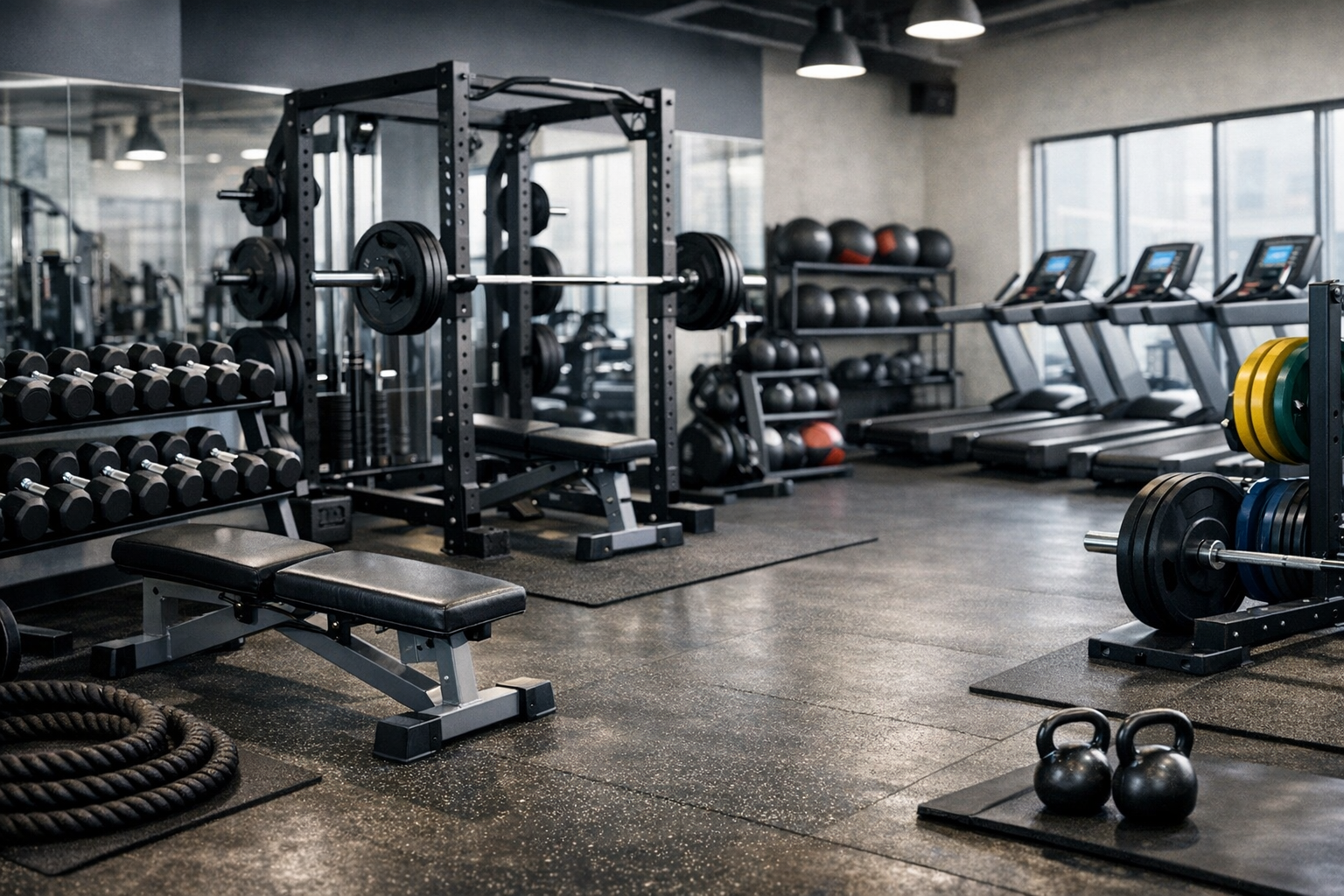
Fitness Club Equipment: The Essential Guide to Building a Better Workout Space
Great fitness club equipment does more than fill a room. It shapes the member experience, supports a wide range of training styles, and helps a club stand out in a crowded market. Whether you are setting up a new facility or upgrading an existing one, the right mix of machines, free weights, and functional training tools can improve satisfaction, retention, and safety.
A successful fitness club needs equipment that is durable, versatile, easy to maintain, and appealing to beginners and advanced exercisers alike. In this guide, we’ll look at the core equipment categories every club should consider, along with practical tips for choosing pieces that match your space, budget, and audience.
Why Fitness Club Equipment Matters
Members join a fitness club for results, but they stay for the overall experience. Equipment is one of the biggest factors in that experience. A well-equipped club gives people confidence that they can train effectively without waiting too long, improvising with limited tools, or feeling restricted in their workout choices.
Quality equipment also supports your business goals. Better layouts can improve traffic flow, reduce maintenance costs, and make your club more attractive to new members. In many cases, investing in the right equipment is an investment in long-term growth.
Cardio Equipment: The Foundation of Many Gyms
Cardio machines are among the most recognizable pieces of fitness club equipment. They appeal to a broad audience, from beginners building endurance to experienced members training for performance and conditioning.
Treadmills
Treadmills remain a staple in most fitness clubs because they are familiar, easy to use, and effective for walking, jogging, and running. Look for models with strong motors, stable frames, cushioned decks, and intuitive consoles. Clubs with high traffic should prioritize commercial-grade treadmills designed for long hours of daily use.
Ellipticals
Elliptical machines offer a low-impact cardio option that is especially appealing to members looking to reduce stress on the joints. They can provide a challenging full-body workout while remaining accessible to a wide range of fitness levels.
Stationary Bikes and Rowers
Upright bikes, recumbent bikes, spin bikes, and rowers add variety to a cardio area. Bikes are ideal for steady-state training and HIIT workouts, while rowers engage multiple muscle groups and offer an efficient total-body conditioning option. A balanced cardio zone should include a mix of all three.
Strength Training Equipment for Every Fitness Level
Strength training has become a core part of modern gym culture. From muscle building to bone health and metabolic conditioning, it supports a wide range of goals. The best fitness club equipment for strength training should accommodate both novice users and seasoned lifters.
Selectorized Machines
Machine-based strength equipment is a smart choice for clubs because it is easy to use and helps members isolate specific muscle groups. Common options include chest presses, lat pulldowns, leg presses, seated rows, and shoulder presses. These machines are especially useful for beginners who want guidance and a stable movement pattern.
Free Weights
Dumbbells, barbells, plates, benches, and racks are essential for any serious training space. Free weights support progressive overload, functional movement, and a large range of exercises. A well-stocked dumbbell area can be one of the busiest parts of a fitness club, so durability, organization, and spacing are critical.
Power Racks and Squat Racks
Power racks and squat racks are important for safe heavy lifting. They allow members to train compound movements such as squats, bench presses, and overhead presses with added security. For clubs that want to serve strength athletes or serious lifters, these pieces are non-negotiable.
Functional Training Equipment: Versatility and Variety
Functional training has become increasingly popular because it mimics real-life movement patterns and keeps workouts dynamic. This category of fitness club equipment is ideal for small group training, circuit workouts, and athletic conditioning.
Kettlebells, Medicine Balls, and Resistance Bands
Kettlebells are excellent for swings, goblet squats, presses, and core training. Medicine balls work well for rotational exercises, throws, and explosive drills. Resistance bands add portability and versatility, making them useful for warm-ups, mobility work, and rehab-friendly exercise options.
Sleds, Battle Ropes, and Plyometric Boxes
These tools create high-energy training zones that keep members engaged. Sleds are great for strength and conditioning, battle ropes deliver short bursts of intense work, and plyometric boxes support jumps, step-ups, and agility drills. Together, they help clubs offer more than traditional cardio and machines.
Suspension Trainers and Cable Stations
Suspension trainers use bodyweight resistance to build strength, balance, and stability. Cable stations, meanwhile, provide a wide range of movement options in a compact footprint. Both are useful in clubs that want to maximize training variety without overcrowding the floor.
Recovery and Mobility Equipment
Today’s members expect more than just workout tools. They also look for ways to recover, prevent injury, and improve mobility. Including recovery-focused fitness club equipment can make your facility feel more complete and member-friendly.
Foam rollers, massage balls, stretching mats, and mobility aids are simple additions with real value. Some clubs also invest in massage chairs, percussion therapy devices, or recovery lounges. Even a dedicated stretching area with mirrors, mats, and light accessories can encourage better warm-ups and cooldowns.
How to Choose the Right Equipment for Your Club
Selecting fitness club equipment starts with understanding your members. A boutique studio, family-friendly gym, and performance center will each need a different equipment mix. Consider your core audience, the types of classes you offer, and the amount of floor space available.
Durability should always be a priority, especially for high-use items. Commercial-grade equipment may cost more upfront, but it often lasts longer and performs better under constant use. Ease of maintenance is another important factor, since broken or poorly maintained machines can frustrate members and create safety risks.
It also helps to think about balance. A club with too much cardio and not enough strength equipment may not meet the needs of all members. Similarly, a strength-heavy facility should still offer enough warm-up, mobility, and recovery tools to support well-rounded training.
Layout, Safety, and Member Experience
Even the best equipment can fall short if the space is poorly organized. A smart layout improves flow, reduces congestion, and helps members move safely from one area to another. Place high-traffic equipment where it can be accessed easily, and leave enough room around machines and lifting stations for comfortable movement.
Clear signage, mirrors, flooring, lighting, and sanitation stations also contribute to a better environment. Safety should be built into the club through proper spacing, regular inspections, and equipment that is easy to use and clearly maintained. When members feel safe and comfortable, they are more likely to return.
Maintaining Fitness Club Equipment for Long-Term Value
Once your equipment is installed, regular care is essential. Create a maintenance schedule for cleaning, lubrication, inspection, and repair. Train staff to spot signs of wear, loose parts, and performance issues before they become bigger problems.
Keeping records of service dates and replacement cycles can help you manage costs over time. Well-maintained equipment not only lasts longer but also signals professionalism and care to your members.
Conclusion
Fitness club equipment plays a major role in shaping your facility’s identity, functionality, and long-term success. By combining cardio machines, strength tools, functional training gear, and recovery options, you can create a space that serves a wide range of goals and fitness levels. The best clubs choose equipment with purpose, maintain it carefully, and design the floor plan to support a positive member experience.