

How to Become a Fitness Trainer: A Step-by-Step Guide
Introduction
If you love exercise, enjoy helping others, and want a career that keeps you active, becoming a fitness trainer can be a rewarding path. Fitness trainers guide clients through safe, effective workouts while offering motivation, support, and expert advice. Whether you want to work in a gym, train clients online, or build your own brand, the journey starts with the right education, skills, and experience.
Understand What a Fitness Trainer Does
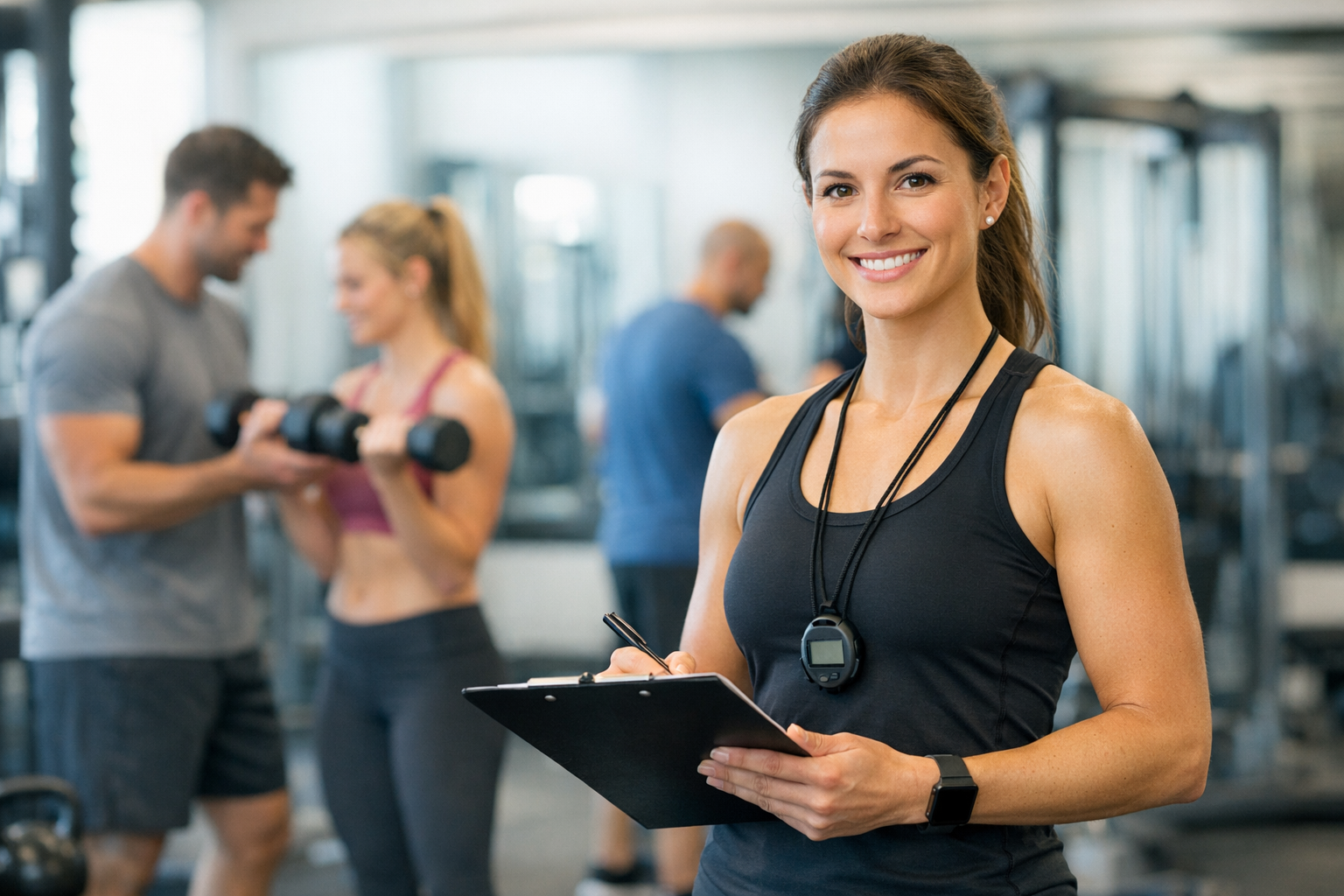
A fitness trainer helps people improve strength, endurance, mobility, and overall health. Their work often includes creating workout plans, demonstrating proper exercise form, tracking progress, and encouraging healthy habits. Some trainers focus on general fitness, while others specialize in areas like weight loss, sports performance, corrective exercise, or senior fitness.
Before you begin, it is important to understand that this role is about more than counting reps. Great trainers know how to communicate, adapt programs to different ability levels, and keep clients safe and engaged.
Meet the Basic Requirements
Education and Age Requirements
Most certification programs require you to be at least 18 years old and have a high school diploma or equivalent. A college degree is not always required, but coursework in exercise science, kinesiology, nutrition, or health can give you an advantage.
CPR and First Aid Certification
Many employers and certifying organizations require current CPR and AED certification, and often First Aid as well. This is essential because fitness trainers work with people during physical activity and must be prepared to respond in an emergency.
Choose a Recognized Certification
Certification is one of the most important steps in becoming a fitness trainer. It shows employers and clients that you have the knowledge needed to train safely and effectively. Look for a certification from a respected organization accredited by a recognized body such as the NCCA.
Common topics covered in certification exams include anatomy, exercise physiology, program design, client assessment, nutrition basics, safety, and professional conduct. Popular certification providers include NASM, ACE, ISSA, ACSM, and NSCA.
Choose a certification that matches your goals. For example, if you want to train beginners and general population clients, a broad personal training certification may be enough. If you want to work with athletes or specialize in strength and conditioning, you may need a more advanced credential.
Study for the Certification Exam
Once you choose a program, create a study plan. Most exams require a solid understanding of both science and practical application. Set aside time each week to review the material, take practice tests, and focus on weak areas.
Helpful study strategies include:
- Reading the official textbook or study guide thoroughly
- Making flashcards for key terms and muscle groups
- Watching demonstration videos for exercise technique
- Taking practice exams under timed conditions
- Joining a study group or online forum for support
The better prepared you are, the more confident you will feel on exam day.
Gain Hands-On Experience
Book knowledge is important, but real-world experience makes you a better trainer. Look for internships, shadowing opportunities, volunteer roles, or entry-level positions at gyms and fitness centers. Observing experienced trainers can teach you how to interact with clients, modify exercises, and manage sessions professionally.
You can also practice with friends or family members to build your confidence. Focus on cueing form, giving clear instructions, and adjusting workouts based on different fitness levels. The more people you work with, the better you will understand how to personalize training.
Develop the Right Skills
Communication and Motivation
Successful fitness trainers know how to explain exercises clearly and keep clients motivated. You should be able to listen carefully, answer questions, and give feedback in a way that builds confidence rather than discouragement.
Observation and Adaptability
Every client is different. Some may have injuries, health concerns, or limited experience with exercise. A good trainer watches closely, adjusts workouts when needed, and creates a positive environment where clients feel supported.
Business and Professional Skills
If you plan to work independently, you will also need basic business skills. These may include scheduling, marketing, client retention, pricing, and using fitness software or apps. Professionalism, reliability, and strong time management are just as important as training knowledge.
Find Your Niche
As you gain experience, consider choosing a specialty. A niche can help you stand out and attract the right clients. You might focus on:
- Weight loss and general fitness
- Strength training and bodybuilding
- Sports performance
- Post-rehab or corrective exercise
- Senior fitness
- Women’s fitness or prenatal training
Specializing allows you to deepen your expertise and build a reputation in a specific area. It can also open the door to higher-paying opportunities.
Build Your Career
After earning your certification, start applying for jobs at gyms, studios, community centers, or wellness facilities. You may also choose to work as an independent trainer, offer online coaching, or combine in-person and virtual services.
Create a resume that highlights your certification, experience, and relevant skills. If possible, build a professional online presence with client testimonials, fitness tips, and examples of your training style. Networking with other health and fitness professionals can also help you find opportunities and referrals.
Remember that continuing education is important. Many certifications require renewal, and learning new techniques or specializations can help you stay competitive and effective.
Conclusion
Becoming a fitness trainer takes commitment, but it is a career that can be both meaningful and flexible. By earning a recognized certification, gaining hands-on experience, and developing strong communication skills, you can build a successful path in the fitness industry. Start with the basics, keep learning, and focus on helping clients reach their goals.