

Best Gym Workouts for Strength, Fat Loss, and Total Fitness
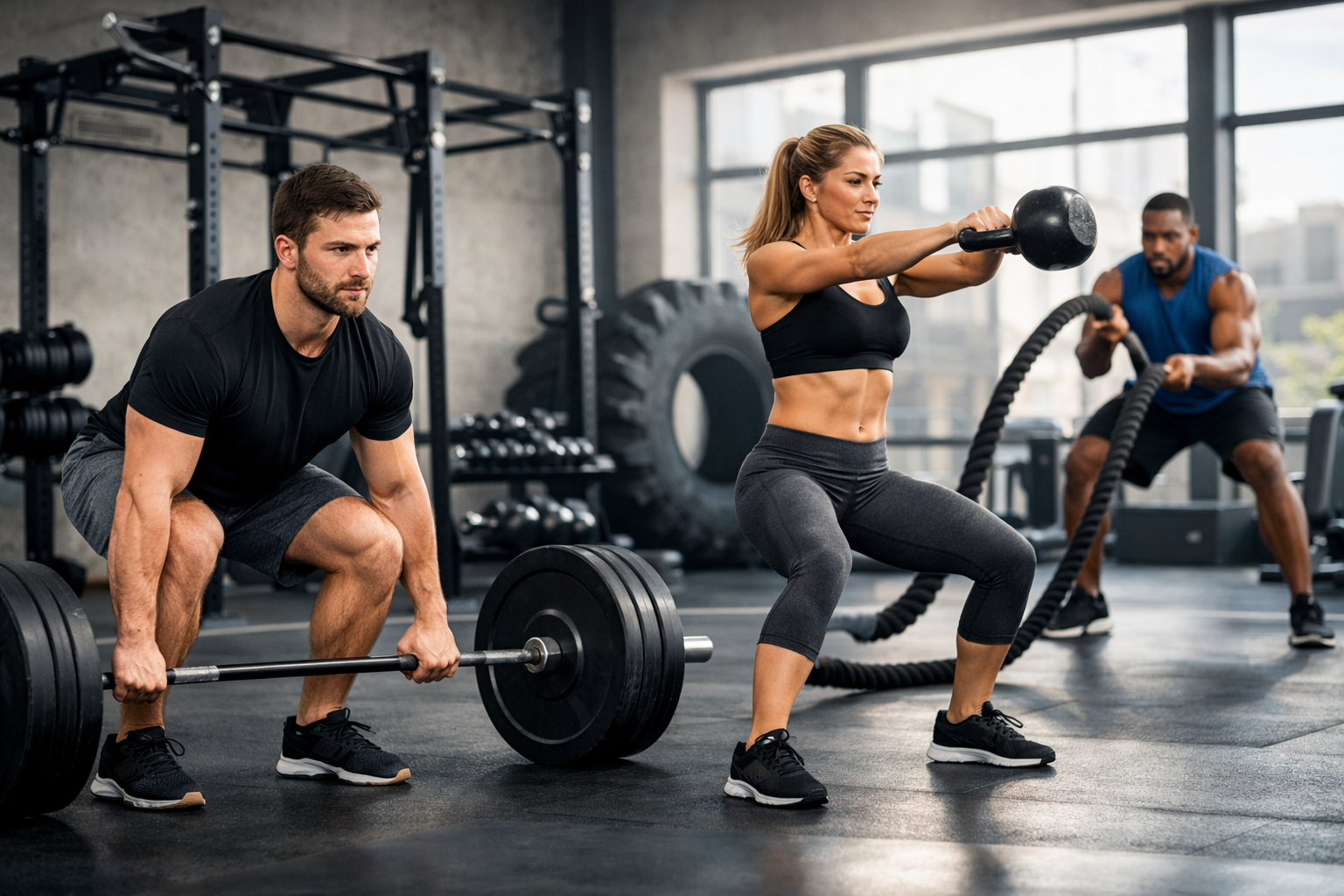
Best Gym Workouts: A Practical Guide to Getting Real Results
If you want to make the most of your time at the gym, choosing the right workouts matters just as much as showing up consistently. The best gym workouts are the ones that match your goals, keep you progressing, and fit your schedule. Whether you want to build muscle, burn fat, improve endurance, or simply feel stronger and healthier, a smart mix of strength training, cardio, and mobility work can help you get there.
The good news is that you do not need a complicated plan to see progress. A few proven workout styles, done well and done consistently, can deliver impressive results. Below is a clear guide to the best gym workouts, why they work, and how to use them in a balanced routine.
1. Strength Training Workouts
Strength training is one of the most effective gym workouts for building muscle, increasing metabolism, and improving overall body composition. It also supports bone health, joint stability, and daily function. If your goal is to get stronger and more defined, this should be the foundation of your routine.
Why it works
Resistance training creates the stimulus your muscles need to adapt and grow. Over time, this leads to better strength, more muscle tone, and improved calorie burn even when you are at rest.
Best strength exercises
- Squats
- Deadlifts
- Bench press
- Overhead press
- Rows
- Pull-ups or lat pulldowns
A well-rounded strength session typically includes one lower-body movement, one push exercise, one pull exercise, and a core movement. Aim for controlled form and gradual progression rather than chasing heavy weights too quickly.
2. Full-Body Gym Workouts
Full-body workouts are ideal for beginners, busy schedules, and anyone who wants efficient training sessions. Instead of splitting muscle groups across many days, you train the entire body in one workout. This approach can improve consistency and help you practice key movement patterns more often.
Why it works
Training the whole body several times per week helps reinforce technique and spreads workload evenly. It is also a great way to avoid skipping important muscle groups.
Example full-body structure
- Goblet squats or barbell squats
- Dumbbell bench press or push-ups
- Seated row or one-arm dumbbell row
- Romanian deadlifts
- Planks or dead bugs
For many people, three full-body workouts per week is an excellent starting point. You can keep the sessions short, focused, and highly effective.
3. Upper-Body Workouts
Upper-body workouts are a popular choice for building a strong chest, back, shoulders, arms, and core. They are especially useful if you want to improve posture, enhance athletic performance, or create more balanced muscle development.
Why it works
Training the upper body with both push and pull exercises helps improve symmetry and supports better movement mechanics. It also allows you to target muscles that are often undertrained in everyday life.
Best upper-body exercises
- Bench press or dumbbell press
- Shoulder press
- Pull-ups or assisted pull-ups
- Barbell or cable rows
- Biceps curls
- Triceps pushdowns
To get the best results, avoid focusing only on mirror muscles like the chest and biceps. A strong back and shoulders are just as important for aesthetics and long-term shoulder health.
4. Lower-Body Workouts
Lower-body workouts are essential for building powerful legs, glutes, and hips. They also play a major role in athletic performance, balance, and everyday movement. Strong legs can improve everything from walking and climbing stairs to running and lifting.
Why it works
The legs contain some of the largest muscle groups in the body, so training them can have a meaningful impact on strength and energy expenditure. Lower-body workouts also help support the knees, hips, and lower back when done properly.
Best lower-body exercises
- Squats
- Leg press
- Deadlifts
- Lunges
- Hip thrusts
- Hamstring curls
- Calf raises
A strong lower-body routine should include movement for the quads, hamstrings, glutes, and calves. Focus on full range of motion and steady control.
5. HIIT Workouts
High-intensity interval training, or HIIT, is one of the best gym workouts for improving cardiovascular fitness and burning calories in a short amount of time. These workouts alternate intense effort with brief recovery periods, making them efficient and challenging.
Why it works
HIIT raises your heart rate quickly and keeps your body working hard throughout the session. It can be especially useful if you want a time-efficient workout that also boosts endurance.
Common HIIT exercises
- Rowing sprints
- Treadmill intervals
- Stationary bike sprints
- Battle ropes
- Kettlebell swings
- Burpees
Because HIIT is demanding, it should be used strategically. One to three sessions per week is often enough, depending on your fitness level and recovery.
6. Core and Stability Workouts
A strong core is about more than visible abs. It helps you lift safely, move efficiently, and maintain better posture. Core and stability workouts are some of the most underrated gym workouts, yet they can make a big difference in performance and injury prevention.
Why it works
Core training strengthens the muscles that stabilize your spine and pelvis. That support transfers to nearly every other exercise you do, from squats to overhead presses.
Best core exercises
- Planks
- Side planks
- Dead bugs
- Pallof presses
- Hanging knee raises
- Cable wood chops
Instead of doing endless crunches, focus on exercises that challenge stability and control. This approach builds a more functional and resilient core.
How to Choose the Best Gym Workout for You
The best gym workout depends on your goals. If your priority is muscle gain, strength training should come first. If you want to lose fat, combine resistance training with cardio and smart nutrition. If you are short on time, full-body workouts and HIIT can give you efficient, high-impact sessions.
For most people, the best approach is a balanced routine that includes:
- 2 to 4 strength-focused sessions per week
- 1 to 2 cardio or HIIT sessions per week
- Core work and mobility training built into the week
- Progressive overload over time
Progressive overload simply means gradually increasing the challenge by adding weight, reps, sets, or improving form. This is one of the most important principles for long-term results.
Tips for Getting More Out of Your Workouts
To get the best results from any gym workout, consistency is key. Even the most effective plan will not work if it is too difficult to follow. Start with a routine you can stick to, then build from there.
Here are a few helpful tips:
- Warm up before lifting or cardio sessions
- Use proper form before increasing intensity
- Track your workouts to measure progress
- Rest enough between hard training days
- Eat enough protein to support recovery
- Stay hydrated and sleep well
Remember that recovery is part of the process. Muscles grow and adapt outside the gym, not just during the workout itself.
Conclusion
The best gym workouts are the ones that help you stay consistent while moving you toward your goals. Strength training, full-body routines, upper- and lower-body splits, HIIT, and core work all have a place in a strong fitness plan. Pick the styles that fit your lifestyle, train with purpose, and keep improving a little at a time. That is how real progress happens.