

Personal Trainer vs Gym Instructor: What’s the Difference and Which One Do You Need?
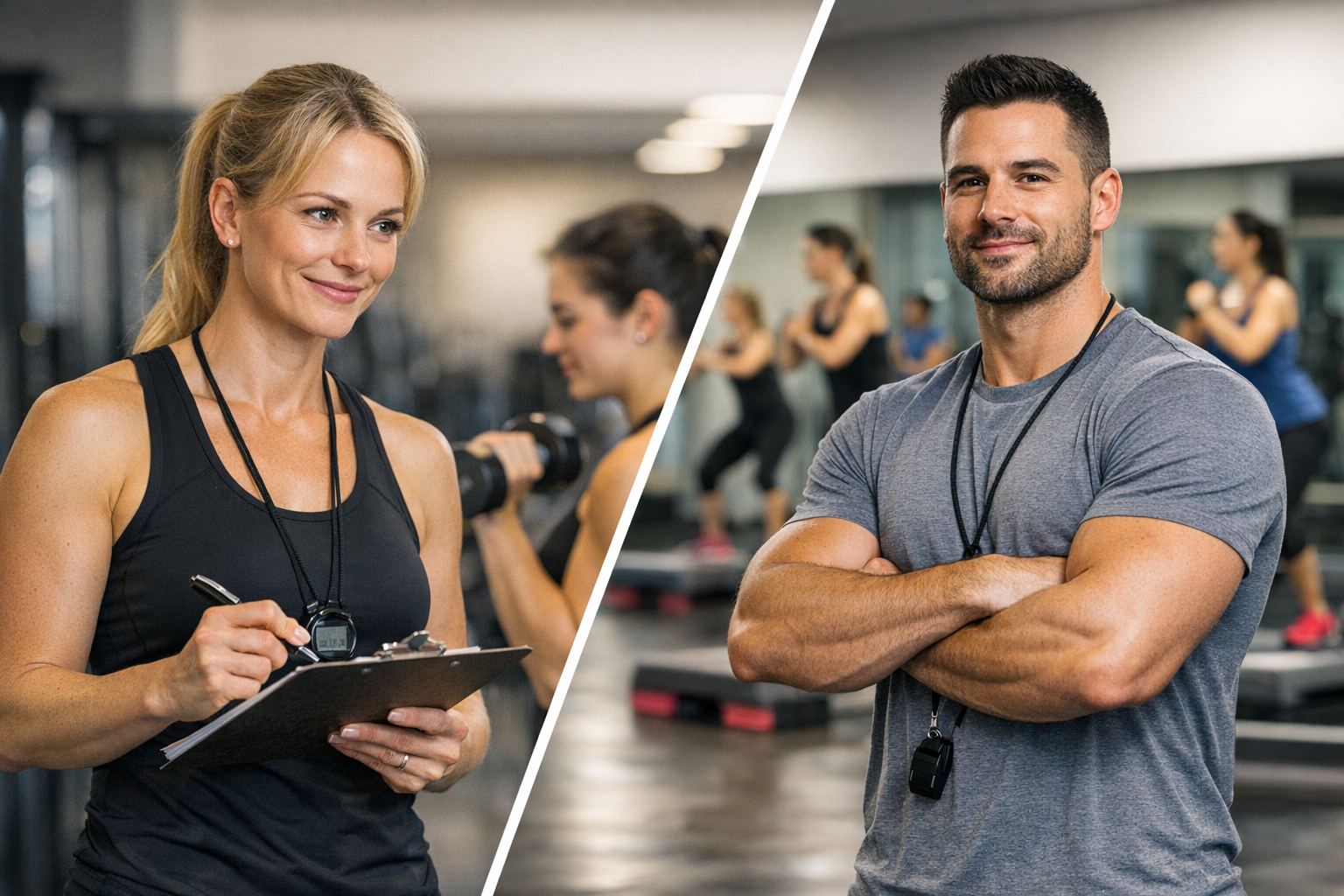
If you’re new to fitness or looking to level up your routine, you’ve probably come across the terms personal trainer and gym instructor. They sound similar, and in some gyms they may even seem interchangeable, but they’re not quite the same. Understanding the difference can help you choose the right support for your goals, budget, and confidence level.
What Is a Personal Trainer?
A personal trainer is a fitness professional who works with clients one-to-one or in small groups to create tailored exercise programs. Their role is highly individualized: they assess your current fitness level, understand your goals, and design a plan that fits your needs, whether that’s fat loss, muscle building, improved athletic performance, or simply getting healthier.
Personal trainers often provide coaching on exercise technique, motivation, accountability, and lifestyle habits. Many also help with goal setting, workout progression, and adapting sessions around injuries, health conditions, or experience level. If you want a more hands-on, customized approach, a personal trainer is usually the best fit.
Typical responsibilities of a personal trainer
- Assessing fitness levels and goals
- Creating customized training plans
- Teaching proper exercise technique
- Monitoring progress and adjusting workouts
- Offering motivation and accountability
- Providing basic lifestyle or habit support
What Is a Gym Instructor?
A gym instructor, sometimes called a fitness instructor or gym floor instructor, usually helps members use the gym safely and effectively. They are often based on the gym floor, available to answer questions, demonstrate equipment, and make sure people are exercising in a safe way.
While they may lead group classes or support general fitness activities, gym instructors typically work with a broader range of members rather than offering highly personalized coaching. Their job is to maintain a safe, welcoming environment and help members feel comfortable using the facilities.
Typical responsibilities of a gym instructor
- Showing members how to use equipment
- Providing basic exercise guidance
- Monitoring gym safety
- Supporting members on the gym floor
- Leading general fitness sessions or classes
- Helping beginners feel confident in the gym
Personal Trainer vs Gym Instructor: Key Differences
The main difference between a personal trainer and a gym instructor is the level of personalization. A personal trainer builds a plan around your specific goals, while a gym instructor offers general support and guidance to help you train safely and independently.
Here are the key differences to consider:
- Individual focus: Personal trainers work closely with one client or a small group; gym instructors support many gym members at once.
- Program design: Personal trainers create customized programs; gym instructors usually provide general advice rather than bespoke plans.
- Goal tracking: Personal trainers track progress and adjust workouts regularly; gym instructors may not offer ongoing coaching.
- Level of support: Personal trainers offer more in-depth motivation, accountability, and technique correction.
- Cost: Personal training is generally more expensive; gym instructor support is often included in membership fees.
If you compare them side by side, a personal trainer is more like a coach, while a gym instructor is more like a guide and safety support system. Both can be valuable, but they serve different purposes.
Which One Is Right for You?
Choosing between a personal trainer and a gym instructor depends on your experience, confidence, and goals. If you’re comfortable exercising on your own but need help learning how a machine works or want reassurance that your form is correct, a gym instructor may be enough.
If you have a specific goal, struggle with motivation, or want someone to design a structured plan and keep you accountable, a personal trainer may be worth the investment. This is especially true if you’re returning to exercise after a long break, training for an event, or dealing with an injury or health issue.
Choose a personal trainer if you want:
- A customized workout plan
- Regular progress tracking
- Hands-on coaching and feedback
- More accountability and motivation
- Support with specific goals or limitations
Choose a gym instructor if you want:
- Help learning equipment safely
- General fitness guidance
- Confidence to train independently
- Support without the cost of personal training
- Basic advice while exploring the gym
Can You Work With Both?
Yes, and for many people, that’s the ideal approach. A personal trainer can help you build a structured plan and teach proper technique, while a gym instructor can support you day to day when you’re using the gym independently. If your gym offers both, you might start with a personal trainer to establish the basics, then rely on gym floor support as you grow more confident.
This combination can be especially helpful if you’re a beginner. You get the benefit of tailored coaching without needing personal training sessions forever. Over time, you may become more independent and only book a trainer occasionally for check-ins or program updates.
How to Make the Most of Their Support
Whether you choose a personal trainer, a gym instructor, or both, you’ll get better results if you come prepared. Be clear about your goals, ask questions, and be honest about any injuries, limitations, or concerns. The more they know, the better they can help you.
It also helps to stay consistent. Even the best support won’t deliver results if workouts are sporadic. Use the guidance you’re given, track your progress, and ask for adjustments when something isn’t working. Fitness is a long-term process, and good support can make it much easier to stay on track.
Conclusion
When comparing a personal trainer vs gym instructor, the biggest difference is personalization. Personal trainers offer tailored coaching and accountability, while gym instructors provide general guidance, safety support, and help around the gym. The right choice depends on your goals, budget, and how much support you want. If you’re unsure, start with the option that matches your confidence level and training needs, then build from there.