

Virtual Personal Training: Benefits, How It Works, and What to Expect
What Is Virtual Personal Training?
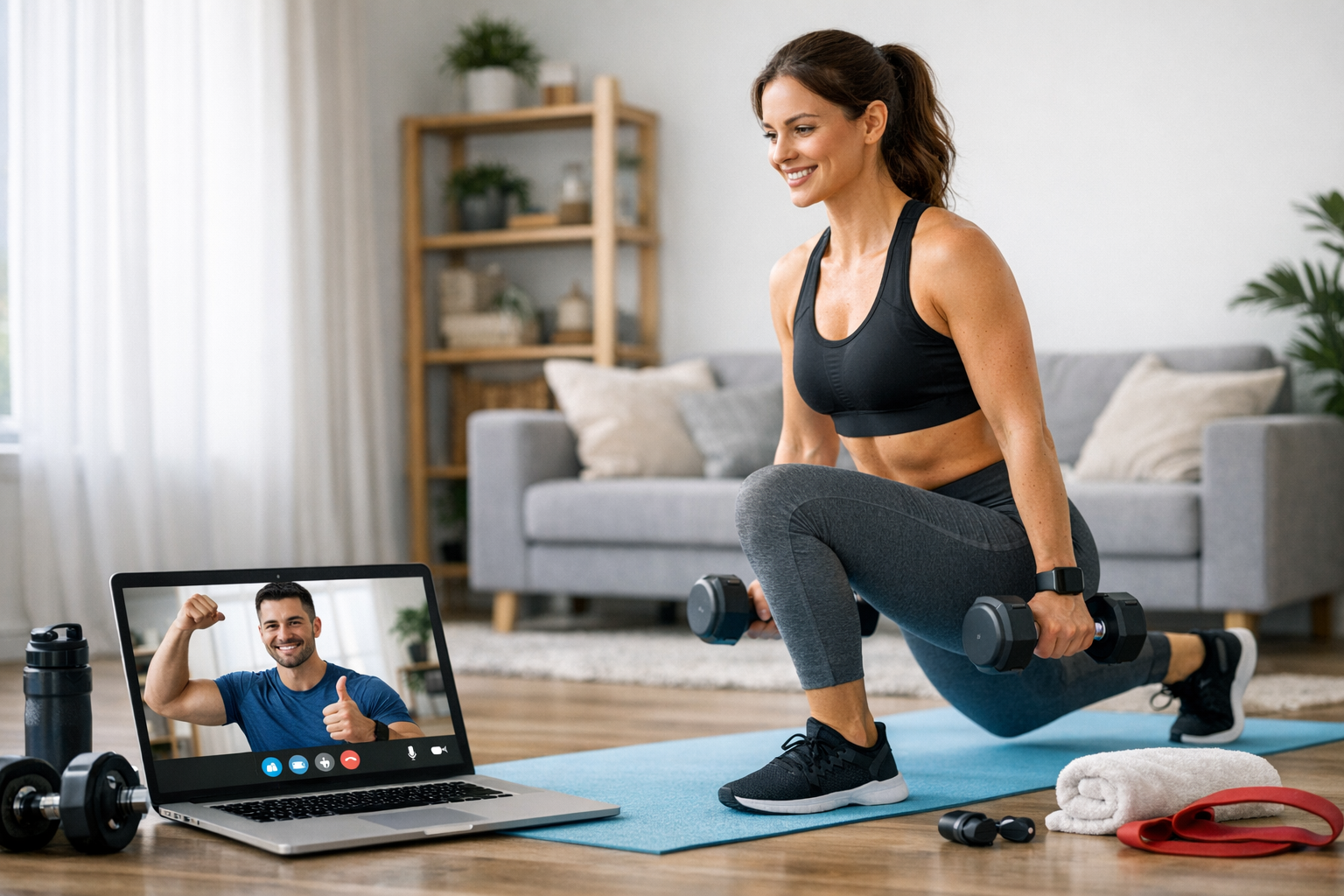
Virtual personal training is one-on-one fitness coaching delivered online instead of in person. Sessions may happen through live video calls, pre-recorded workouts, app-based programming, or a mix of all three. The trainer guides you through exercises, provides feedback, adjusts your plan, and helps keep you accountable—just as an in-person trainer would.
What makes virtual personal training appealing is its flexibility. You can train from home, at the gym, while traveling, or even in a small apartment with very little equipment. For many people, it removes common barriers like commuting, scheduling conflicts, and feeling self-conscious in a crowded gym.
Why People Choose Virtual Personal Training
One of the biggest reasons people choose virtual training is convenience. Instead of arranging your day around a session, you can often fit a workout into a lunch break, early morning, or evening without leaving home. This makes it easier to stay consistent, which is one of the most important factors in reaching fitness goals.
Virtual personal training can also be more affordable than traditional in-person coaching. Since trainers do not need to rent gym space or travel to each client, they can often offer lower rates or more flexible packages. At the same time, clients still receive customized guidance, motivation, and accountability.
Another major benefit is access to a wider pool of trainers. You are not limited to professionals in your immediate area, so you can choose someone whose coaching style, personality, and expertise truly match your needs. Whether you want strength training, postpartum recovery, mobility work, or sports-specific conditioning, there is likely a trainer online who specializes in it.
How Virtual Personal Training Works
The process usually begins with an initial consultation. During this conversation, the trainer learns about your goals, current fitness level, past injuries, schedule, equipment, and preferences. Based on that information, they build a program tailored to you.
Depending on the service, workouts may be delivered in several ways:
- Live video sessions: The trainer coaches you in real time through a platform like Zoom or FaceTime.
- Workout apps: The trainer assigns exercises, tracks progress, and updates your plan through a fitness app.
- Hybrid coaching: You meet live occasionally, while the rest of the program is delivered asynchronously.
During live sessions, the trainer can demonstrate exercises, watch your form, and make adjustments as needed. In between sessions, they may check in, review progress, and modify your program based on how your body is responding.
What Equipment Do You Need?
One advantage of virtual training is that you often need very little equipment to get started. Many trainers design effective programs using bodyweight movements, resistance bands, dumbbells, kettlebells, or a stability ball. If you have access to a home gym or a full fitness center, the possibilities expand even more.
If your space is limited, a good trainer will adapt your workouts to the equipment and room you have available. This makes virtual personal training a practical option for beginners, busy professionals, and people working out in small spaces.
Benefits of Virtual Personal Training
Virtual personal training offers several meaningful advantages beyond convenience and cost savings. First, it supports consistency. When workouts are easier to schedule and access, people are more likely to stick with them long term.
Second, it can reduce intimidation. Some people feel uncomfortable walking into a gym or starting a fitness routine in front of others. Training from home creates a more private, comfortable environment where you can learn at your own pace.
Third, it still provides accountability. A good trainer will help you set goals, track progress, and keep you focused when motivation dips. That combination of structure and encouragement can make a big difference, especially if you have struggled to stay on track in the past.
Finally, virtual training is highly adaptable. Whether you are recovering from an injury, managing a busy family schedule, or building from scratch, your plan can be adjusted to fit your lifestyle. That level of personalization is one of the biggest reasons people see results.
How to Choose the Right Virtual Trainer
Choosing the right trainer is just as important online as it is in person. Start by looking for someone with proper certifications, relevant experience, and a coaching style that matches your needs. If you have a specific goal—like fat loss, muscle gain, prenatal fitness, or improved athletic performance—find a trainer who has worked with similar clients.
It is also helpful to ask how they structure their programs. Do they offer live sessions only, or do they provide ongoing support between workouts? How do they track progress? What happens if you need to modify a session due to soreness, travel, or schedule changes?
Before committing, review testimonials or request a trial session if available. A good virtual trainer should communicate clearly, make you feel supported, and create a plan that is realistic for your lifestyle. The best fit is not always the most intense trainer—it is the one who helps you stay consistent and confident.
Tips for Getting the Most Out of Virtual Training
To get the best results, treat virtual sessions like real appointments. Set up your workout space ahead of time, silence distractions, and make sure your camera angle allows the trainer to see your movements clearly. A stable internet connection and a fully charged device also help sessions run smoothly.
It is equally important to be honest with your trainer. Let them know if an exercise feels uncomfortable, if you are struggling with recovery, or if your schedule changes. Clear communication helps them adjust your plan so it remains safe and effective.
Consistency matters most. Even if your workouts are shorter than you would like, showing up regularly is better than waiting for the perfect conditions. Over time, those sessions build momentum, confidence, and measurable progress.
Is Virtual Personal Training Right for You?
Virtual personal training is a great option for many people, but especially for those who value flexibility, privacy, and personalized support. It works well for beginners who need guidance, experienced exercisers who want structure, and anyone who needs a realistic way to stay active despite a packed schedule.
That said, it is important to have honest expectations. If you need hands-on correction for complex movements or are returning from a serious injury, in-person sessions may be more appropriate at first. For most people, though, virtual training provides an effective and convenient way to build healthier habits.
Conclusion
Virtual personal training brings expert coaching into your home and makes fitness more accessible than ever. With the right trainer and a plan that fits your life, you can build strength, stay accountable, and make steady progress without the limits of a traditional gym schedule.